


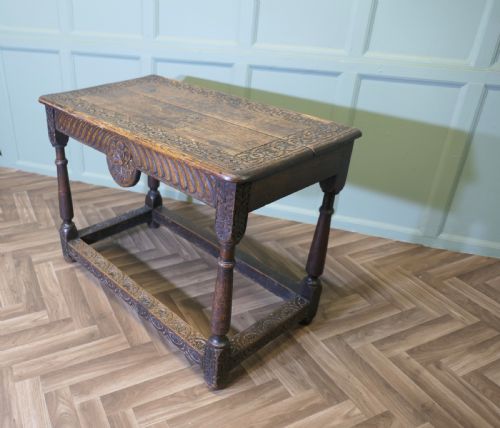


Gothic Style Stool
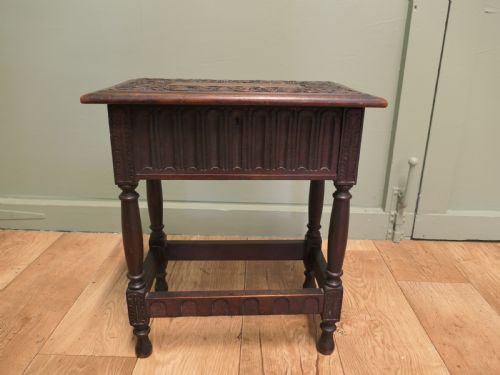
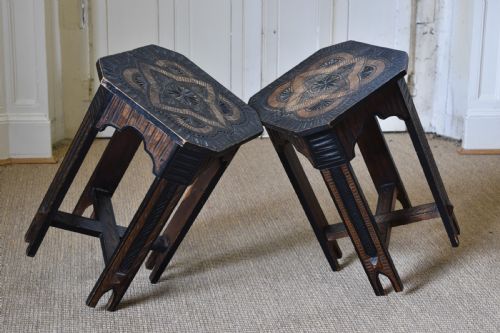
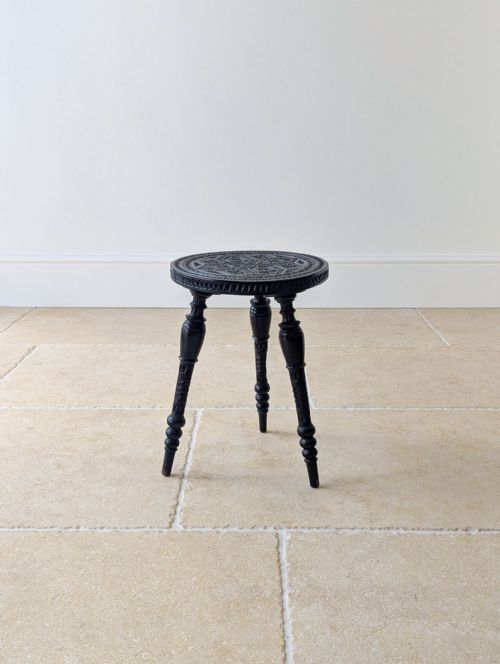
These gothic style stool pieces combine architectural severity with solid craftsmanship, offering a striking seat that anchors a room with historic character.
Gothic Style Stool
A gothic style stool draws on architectural motifs from medieval centuries, adapted through later revivals ranging from Victorian interpretations to the Arts and Crafts movement. When searching this phrase, a buyer encounters forms built from sturdy timbers, often featuring carved panels, X-frames, or trestle supports.
The selections available here lean heavily towards nineteenth-century examples and early twentieth-century revivals in oak and hardwood. Alongside traditional low seats, the category encompasses window seats, footstools, and occasional tables reflecting the same architectural vocabulary.
Originating from periods that valued honest construction, these pieces function equally well as standalone decorative objects or practical seating. The vernacular forms maintain a direct link to historical design traditions without requiring excessive domestic space.
Judging quality in gothic pieces
Quality rests on the crispness of the hand-carved ornament and the integrity of the structural joinery. Finer pieces demonstrate careful proportion and depth in architectural details like tracery and chamfered edges, whereas simpler examples rely on plain boards and minimal shaping.
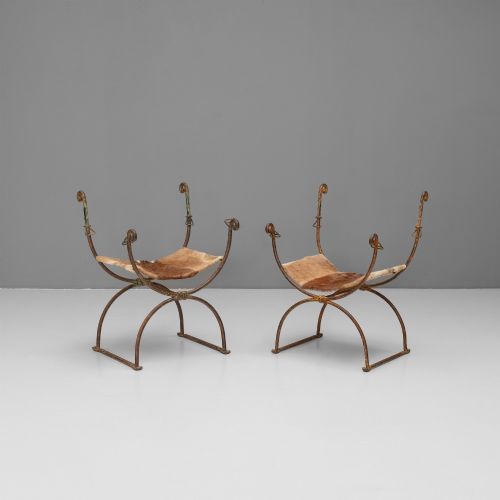
The choice of primary timber and the execution of secondary elements, such as ironwork bracing or leather upholstery, distinguish standard workshop output from more ambitious designer-maker commissions.
Listings span from the seventeenth century through to the 1930s, uniting oak, ebonised hardwood, and wrought iron under the gothic revival banner.
A W N Pugin·Richard Hicks Bridgens
The Gothic Style Stool Glossary
- Trestle form
- A construction method where the top rests on vertical supports connected by a horizontal stretcher. This design provides structural stability without requiring four separate legs.
- Chip carving
- A decorative technique where small chips are removed from the surface of the wood with knives or chisels to create geometric patterns. It appears frequently on nineteenth-century vernacular furniture.
- X-framed
- A seating design featuring intersecting diagonal supports forming an X shape from side to side. This configuration references medieval and Renaissance forms intended for portability.
- Ebonised
- Wood treated with chemical stains or black finishes to imitate ebony. This treatment was popular during the nineteenth century to create high-contrast decorative effects.
- Linenfold
- A carved wooden panel motif representing folded parchment or linen. It is a defining characteristic of late medieval and revival woodwork.
Gothic Style Stool: Frequently Asked Questions
How do I identify a genuine period piece?
Examine the timber shrinkage, tool marks, and joinery methods to determine the age of the construction.
Later revival pieces often display machine-cut elements or uniform patination that differs from genuine nineteenth-century or earlier examples.
Were these stools used in churches?
While some designs draw inspiration from ecclesiastical architecture and choir stalls, most pieces were constructed for domestic interiors.
Wealthy Victorian homes and Arts and Crafts interiors incorporated these gothic motifs to create a serious, historic atmosphere.
How should I care for old oak?
Maintain a stable indoor humidity and apply natural beeswax sparingly to nourish the dry timber.
Avoid placing the wood near direct heat sources which can cause the grain to split or joints to loosen.
Can I use a antique footstool daily?
Solid hardwood frames and sturdy joinery make these pieces resilient enough for regular residential use.
Check the stability of the legs and any upholstered surfaces before heavy daily placement.