


Gothic Style Stand
A gothic style stand brings architectural character and heavy medieval detailing into a room through carved timber or cast metal.
Gothic Style Stand
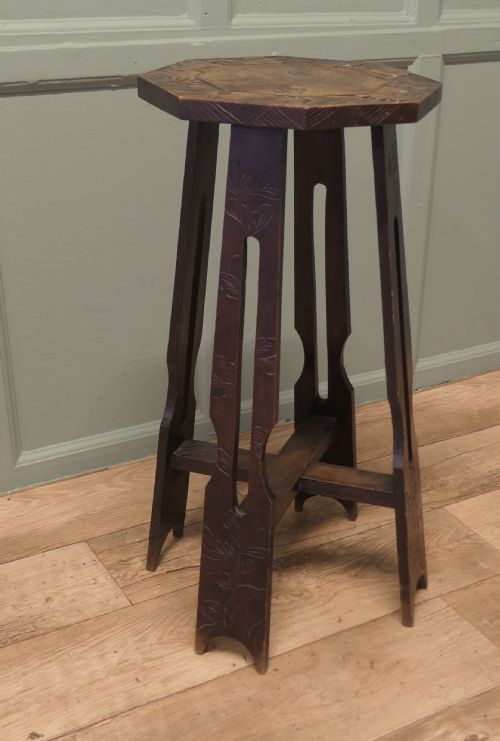
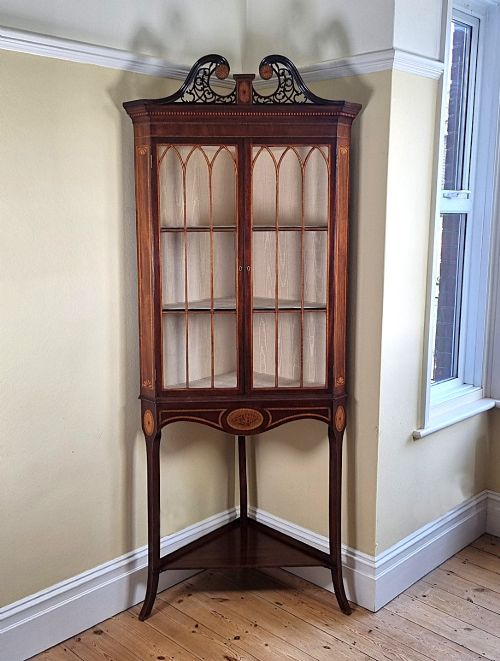
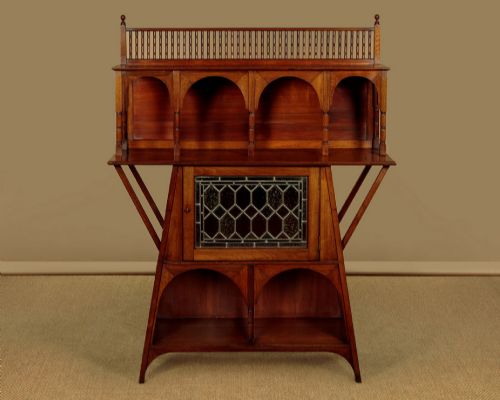
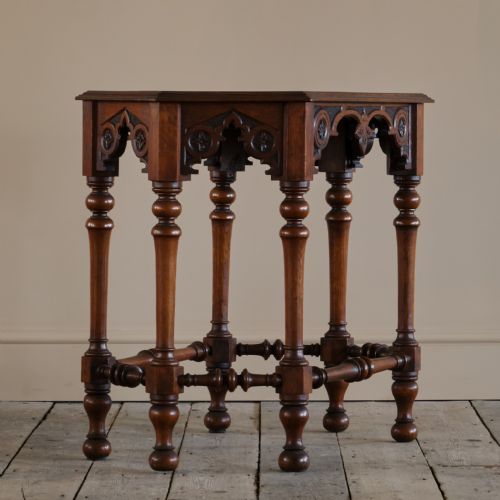
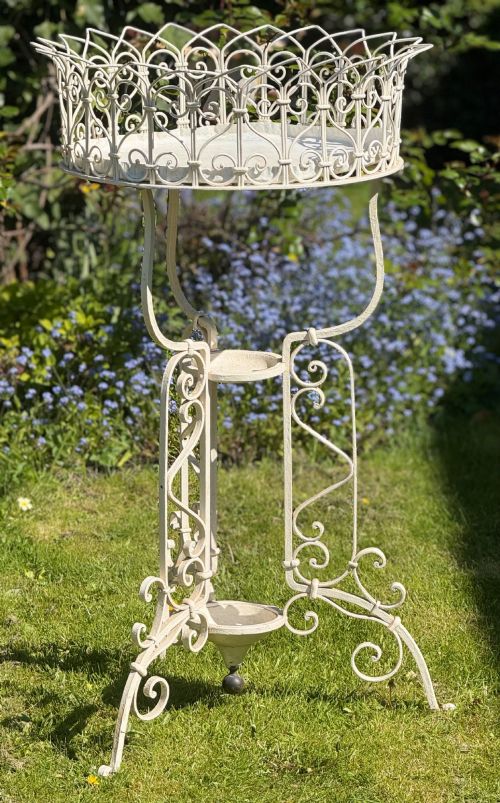
A gothic style stand draws on historical church architecture and medieval ornament, translating pointed arches, tracery and linenfold panels into functional furniture. When searching this phrase, a buyer encounters everything from tall hall stands and plant supports to smaller occasional tables and lecterns.
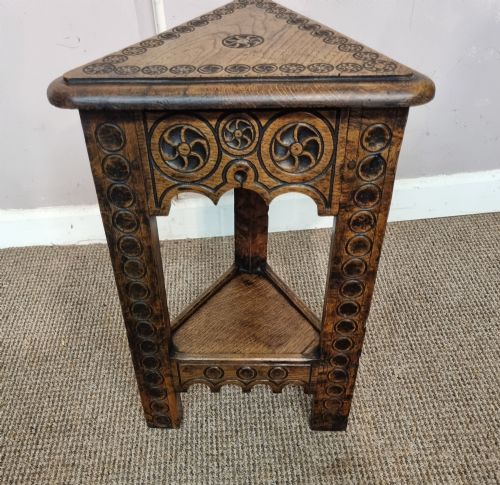
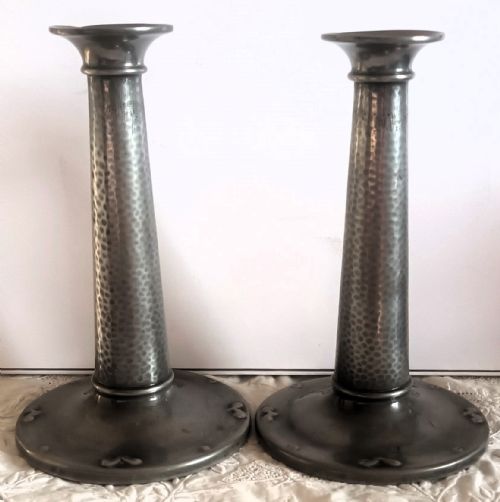
The pieces appearing on this page lean heavily towards the nineteenth century and the Victorian Gothic Revival, alongside later Arts and Crafts interpretations. Solid oak and cast iron form the core of these constructions, often exhibiting the dark finishes and heavy relief carving typical of the style.
Materials and construction
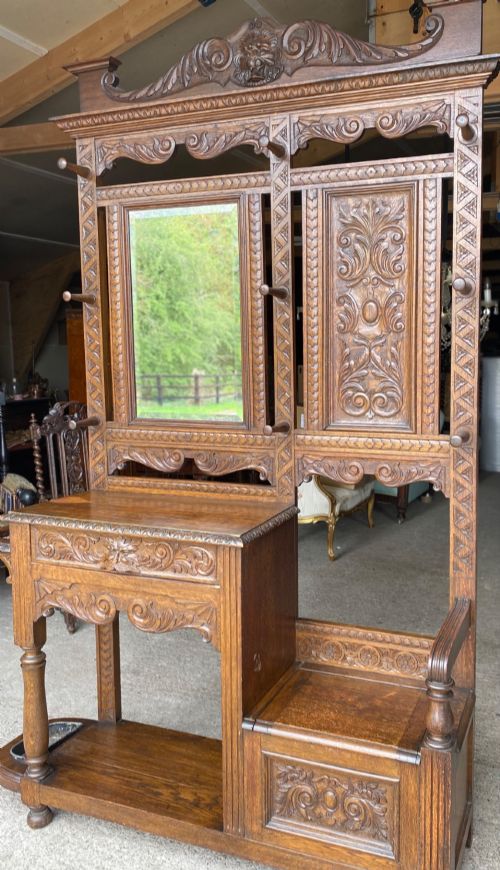
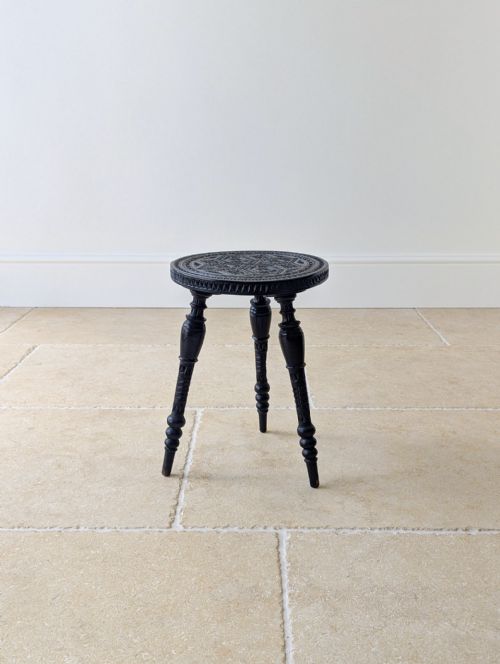
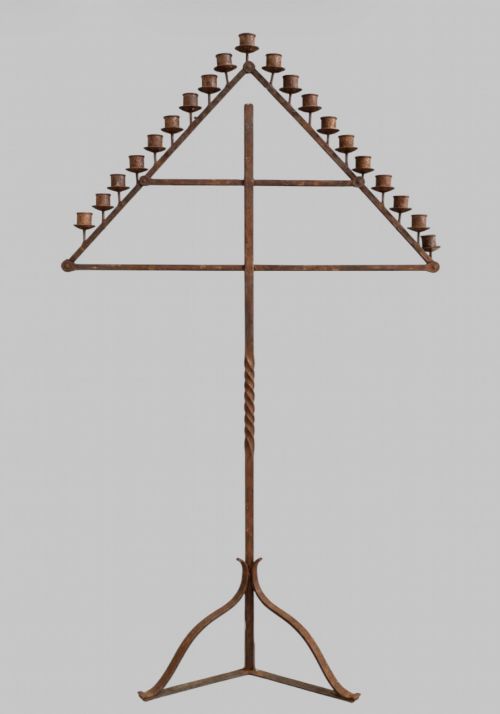
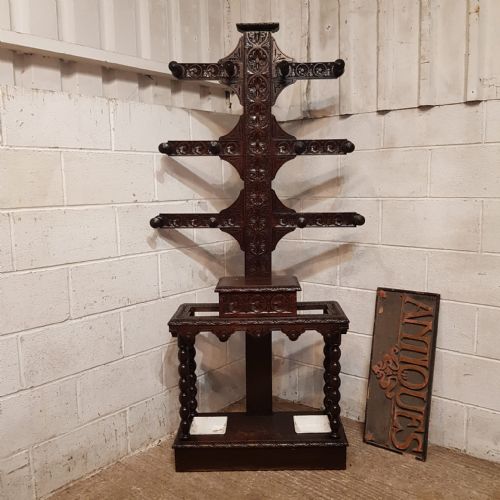
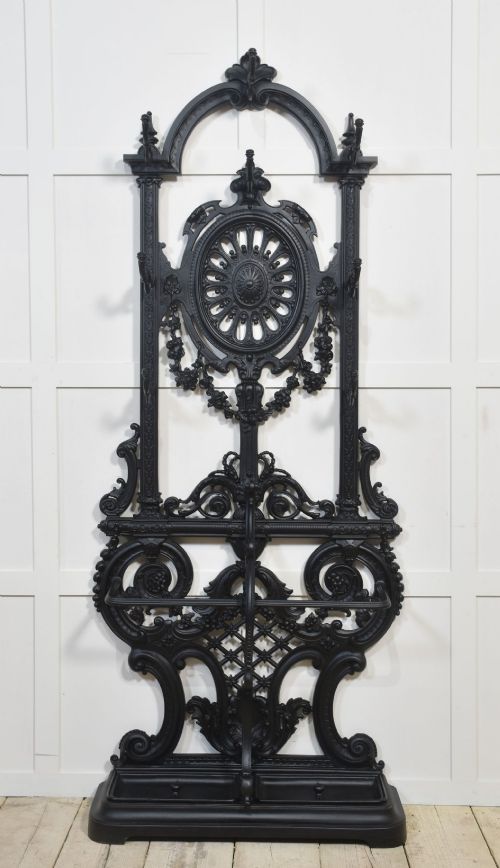
Makers relied primarily on solid oak, working the timber with deep chip-carving, barley twist legs and panelled construction to achieve a suitably substantial appearance. Metalwork forms the other major pillar of production, utilising cast iron, wrought iron and brass for candlesticks, hall stands and floor candelabras.
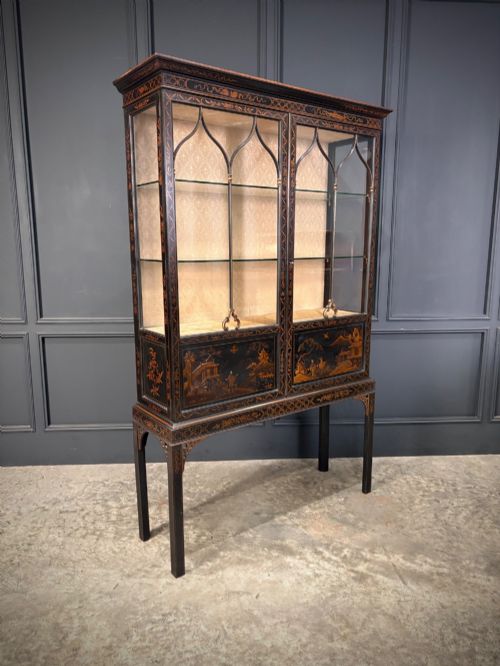
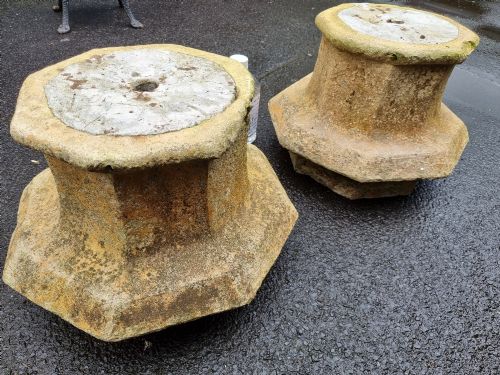
Joinery techniques from the period prioritised durability and structural mass, ensuring these tall stands and heavy tables could support significant weight. Surface treatments ranged from natural waxed oak and ebonised finishes to painted Chinoiserie and composite stone elements.
Gothic Style Stand Retail Price Guide 2026
Typical asking prices for gothic style stand among the pieces listed under this phrase on Sellingantiques today, from the lower quarter to the upper quarter. They describe what is for sale here now, not the wider market.
The selection includes pieces attributed to the Arts and Crafts movement alongside strict nineteenth-century Gothic Revival designs.
Assessing quality
Depth and crispness of the carving distinguish finer examples from mass-produced later copies, particularly in how sharply the tracery and leaf motifs are defined in the timber. The choice of materials dictates baseline quality, with solid hardwoods and substantial cast brass or iron outperforming softer woods and thin plated metals.
Proportion and architectural coherence separate superior pieces from simpler utilitarian items, as the best stands maintain a balanced verticality despite heavy ornamentation. The integration of design elements, such as how legs meet tops or how ironwork is joined, reveals the maker's hand.
Liberty & Co·Baillie Scott·Coalbrookdale
The Gothic Style Stand Glossary
- Gothic Revival
- An architectural and design movement reviving medieval forms, pointed arches and ecclesiastical motifs. It dominated nineteenth-century furniture production.
- Barley Twist
- A turning technique producing a spiral column resembling a twisted rope. This detail frequently appears on the legs of tables and stands.
- Tracery
- Ornamental stone or woodwork intersecting in gothic patterns to form openwork designs. It often decorates the panels of cabinets and stands.
- Ecclesiastic
- Pertaining to the church, describing items originally made for religious use or employing strict church motifs. These pieces often feature brass or carved oak.
- Lectern
- A reading desk with a slanted top designed to hold books. They frequently appear in heavy carved oak within gothic style collections.
Gothic Style Stand: Frequently Asked Questions
What is a gothic style stand?
A gothic style stand is a piece of furniture or decorative metalwork incorporating medieval architectural elements like pointed arches, heavy mouldings, and structural timber or iron.
These items serve practical purposes as plant stands, hall furniture, or tables while bringing a distinct historic aesthetic to an interior.
Where were these stands used?
Original nineteenth-century stands found places in grand entrance halls, libraries, and drawing rooms where heavy revival furniture suited the interior architecture.
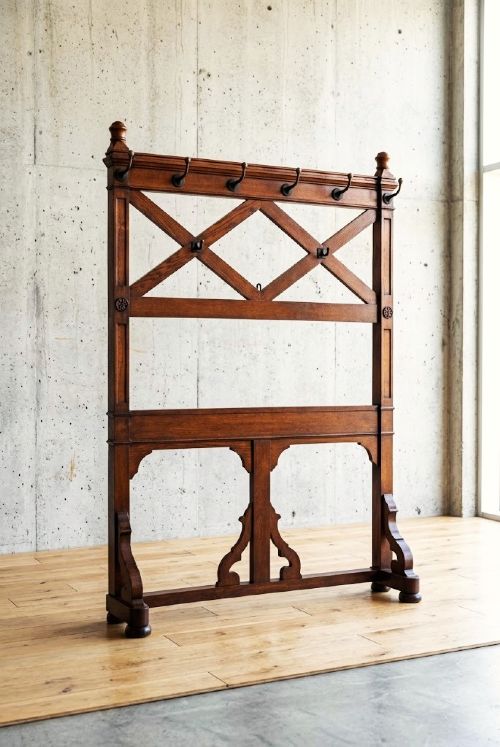
Today, buyers place them in hallways as coat and umbrella holders or use plant stands and small tables to anchor empty corners in modern or traditional homes.
Are these stands made of solid wood?
Many listings feature solid oak or walnut construction, particularly among pieces produced during the Victorian and Arts and Crafts periods.
Some examples incorporate secondary timbers or metal elements like cast iron and brass, depending on whether the object is a table, a plant stand, or a candelabrum.