






Gothic Style Carver
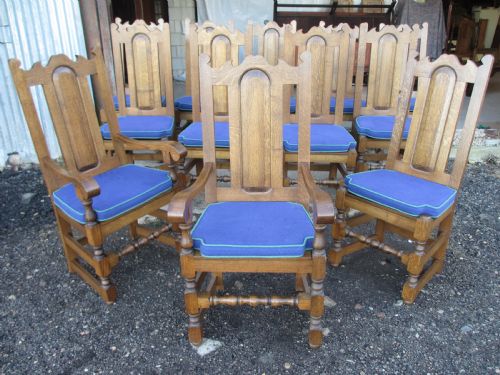
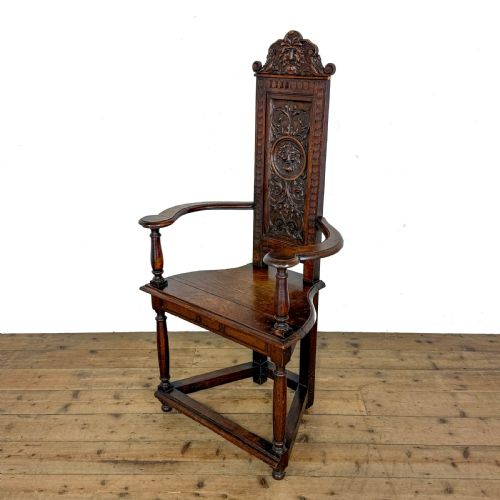
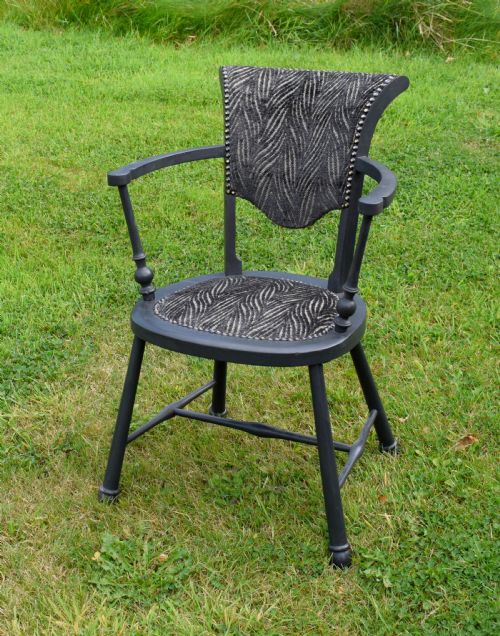
These gothic style carver chairs bring striking architectural silhouettes and rich timber frames directly into your interior.
Gothic Style Carver
A gothic style carver combines sturdy armchair proportions with architectural revival motifs drawn from medieval and ecclesiastical buildings. These seating options emerge primarily across the nineteenth century and into the early twentieth century, taking the form of robust throne chairs, elbow chairs, and desk chairs.
Most examples found here utilise solid timber construction, frequently rendered in oak or mahogany. Makers draw upon varied revival vocabularies including Gothic, Jacobean, and Arts and Crafts influences to shape the high backs, armrests, and upright stiles characteristic of the form.
Buyers encounter substantial seating designed for halls, studies, and dining rooms. The heavy timber frames and carved details offer both functional seating and a strong decorative presence within a room.
How they were made
Carpenters and joiners construct these chairs using dense native timbers, predominantly oak and mahogany. The primary framework relies on mortise and tenon joinery to support the substantial weight of high backs and heavy armrests.
Craftsmen apply hand-carving techniques directly to the timber surfaces, creating tracery, linenfold patterns, and geometric reliefs. Selected pieces incorporate secondary materials such as leather, fabric upholstery, brass elements, and metal studs to finish the seating areas.
Gothic Style Carver Retail Price Guide 2026
Typical asking prices for gothic style carver among the pieces listed under this phrase on Sellingantiques today, from the lower quarter to the upper quarter. They describe what is for sale here now, not the wider market.
Listings span from the mid-nineteenth century through the Edwardian era and into the nineteen-thirties, featuring oak, mahogany, cane, and leather.
What varies in quality
The distinction between standard production and superior work lies in the depth and precision of the timber carving. Crisp detailing in architectural motifs and mouldings indicates a higher standard of craftsmanship by the maker.
The selection and density of the wood itself dictate the overall integrity of the piece. Heavier, well-figured oak and rich mahogany timbers with stable, tight joints represent the upper tier of these revival pieces.
The Gothic Style Carver Glossary
- Carver
- An armchair designed with open arms, traditionally placed at the head of a dining table or used as a desk chair. These seats provide a wider frame than standard side chairs.
- Gothic Revival
- An architectural and decorative movement reviving medieval forms, pointed arches, and ecclesiastical motifs. This style heavily influences the vertical lines and ornamentation of the chairs.
- Jacobean Revival
- A furniture style drawing upon seventeenth-century English design with turned legs, geometric panels, and strapwork. Pieces often feature dark finished oak and sturdy proportions.
- Arts and Crafts
- A movement prioritising visible construction, honest materials, and handcrafted detail over mass production. Chairs from this tradition emphasise plain timber surfaces and functional integrity.
- Tracery
- Stonework ornamentation adapted for woodwork, featuring intersecting ribwork and pointed arches. This decorative element frequently appears pierced through the backs of gothic style chairs.
Gothic Style Carver: Frequently Asked Questions
Where should I place a carver chair?
These armchairs suit placement at the head of a dining table, beside a fireplace, or as a standalone desk chair in a study.
Their substantial height and wide arms require adequate floor space to let the architectural timber details stand out properly.
How do I identify the wood used?
Oak exhibits prominent grain patterns and medullary rays, often showing a golden or deep brown polished tone. Mahogany provides a smoother, heavier reddish-brown surface with a finer grain structure.
Both timbers were favoured for their strength in supporting heavy carved frames.
What is the difference between a throne chair and an elbow chair?
Throne chairs feature exceptionally high backs and imposing proportions designed to dominate a room or hall. Elbow chairs offer a slightly more compact armchair form intended for daily desk or dining use.
Both share the characteristic open arms that define a carver.
How do I care for antique oak and mahogany?
Maintain the polished timber surfaces by applying a traditional beeswax polish sparingly and buffing with a soft cloth. Avoid placing these chairs in direct sunlight or near heat sources to prevent the wood from drying out.
Keep leather and fabric upholstery clean with gentle brushing or appropriate specialist treatments.