
Gothic Revival Stand
A gothic revival stand brings architectural presence into a room, combining ecclesiastical gravity with domestic utility.
Gothic Revival Stand
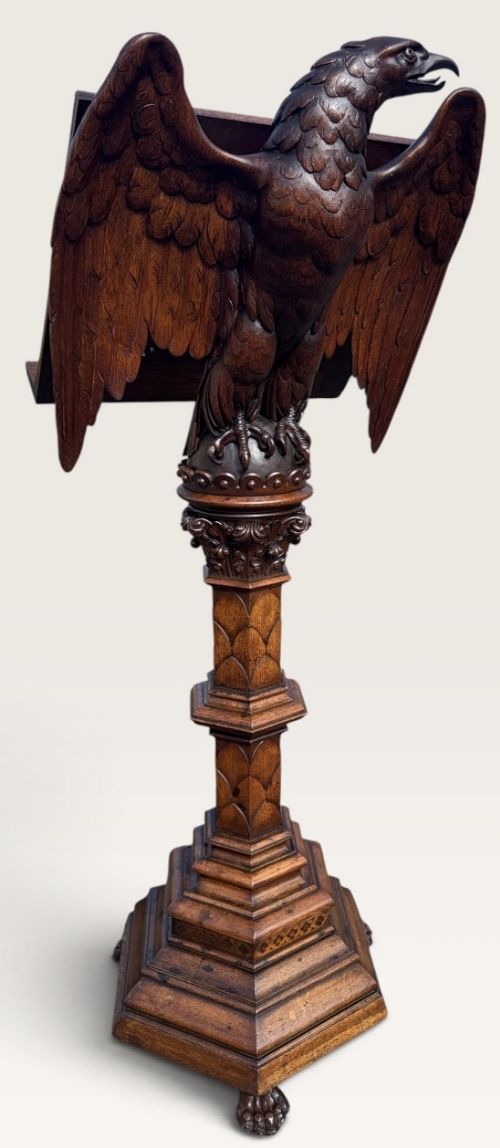
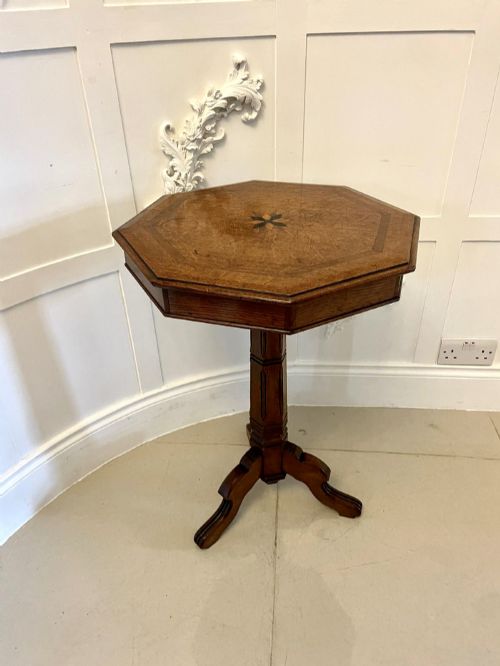
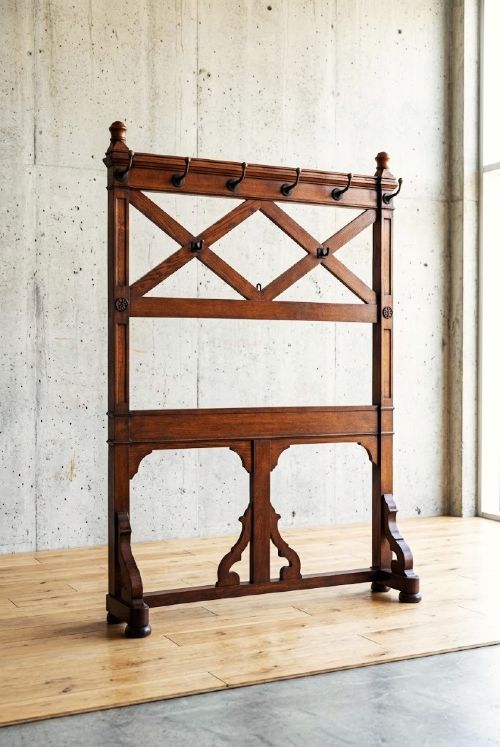
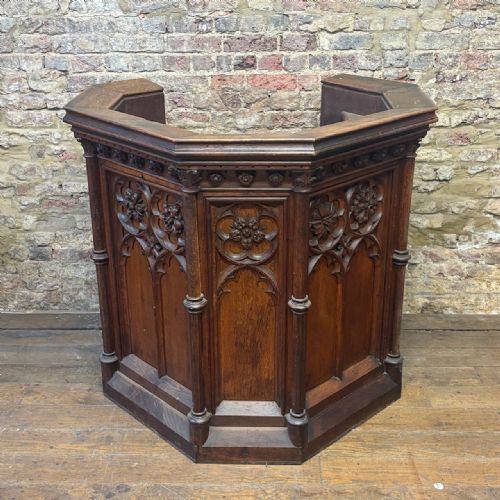
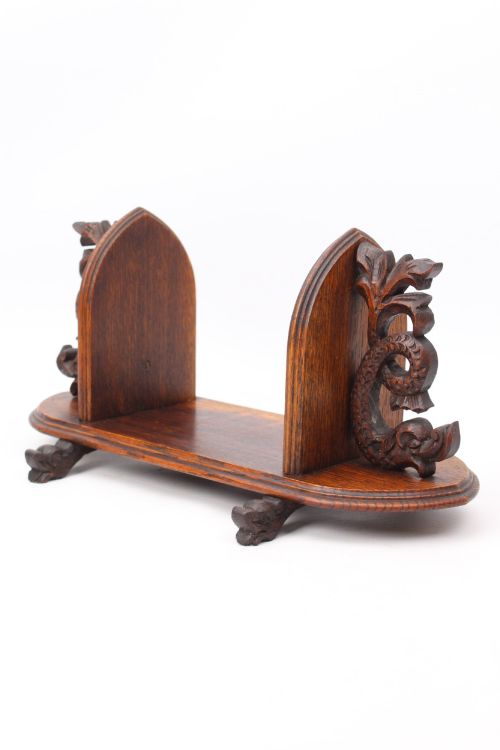
A gothic revival stand encompasses diverse functional forms including oak coat stands, umbrella holders, reading lecterns, and occasional tables dating from the nineteenth and early twentieth centuries. These pieces reflect architectural motifs such as pointed arches, trefoils, and heavy carved woodwork derived from medieval buildings.
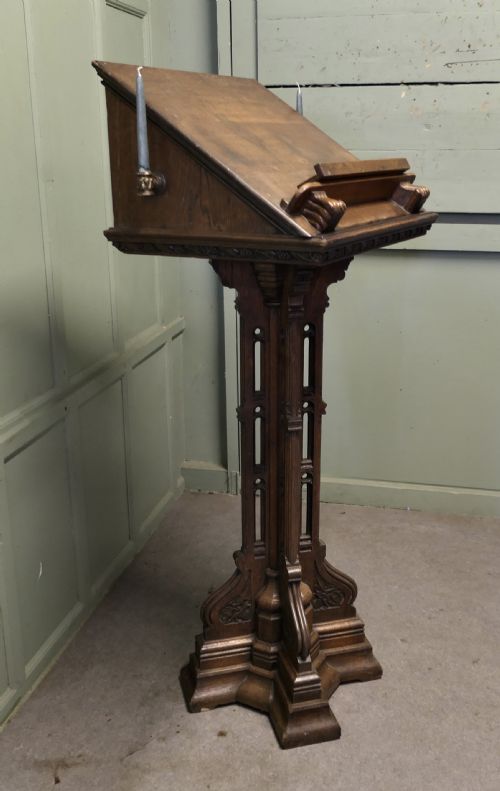
The version most commonly encountered on this page is the solid oak hall stand or lectern, often featuring ecclesiastical details like carved tracery and linenfold panels. Such pieces served practical household roles in Victorian and Edwardian hallways, libraries, and churches.
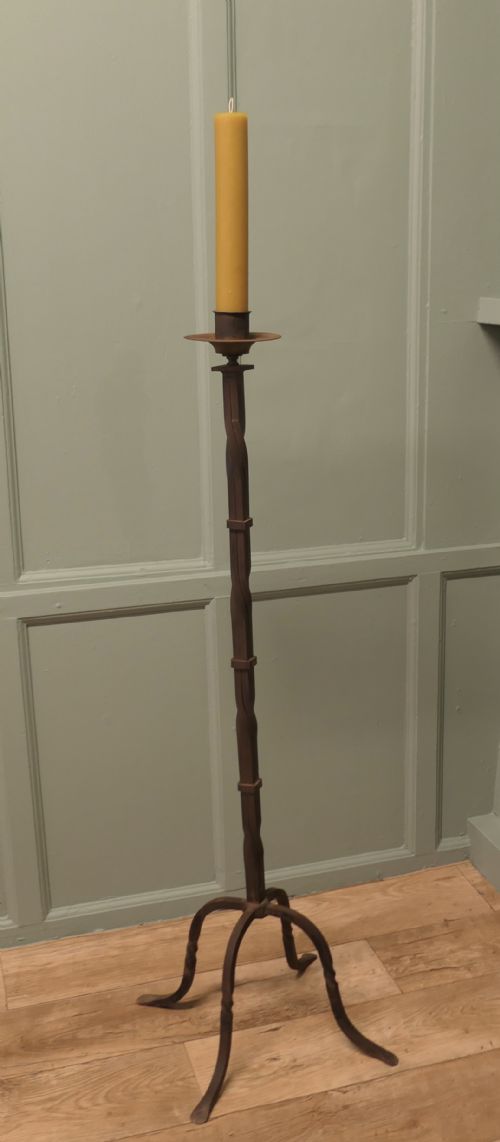
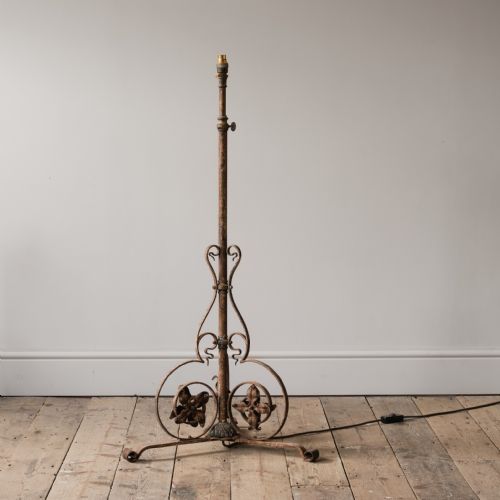
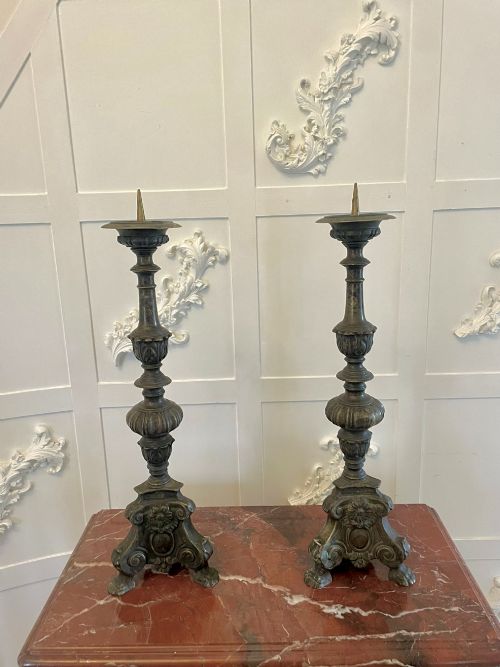
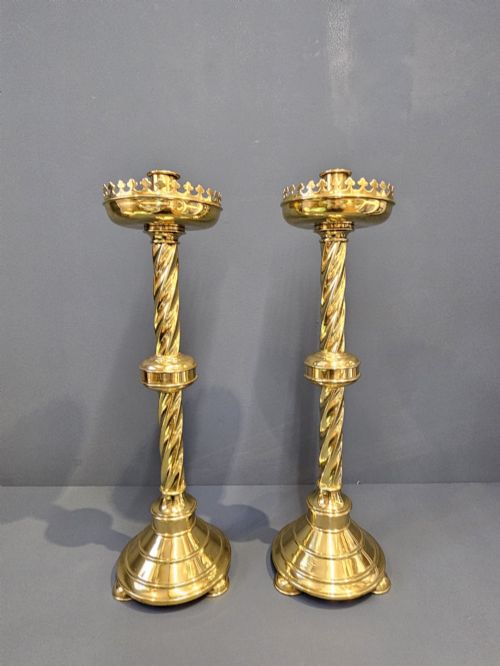
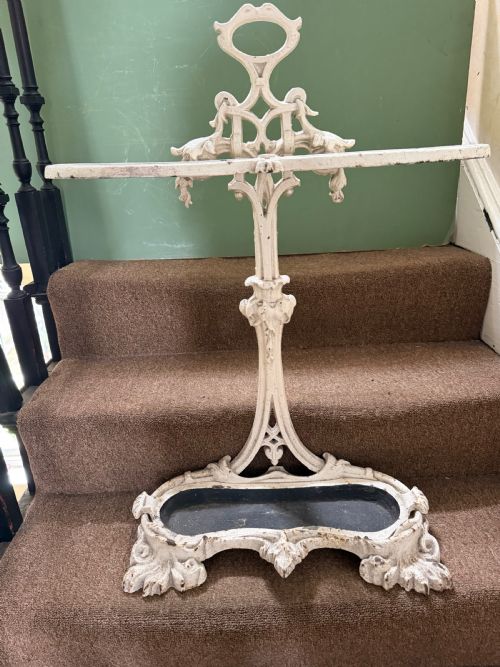
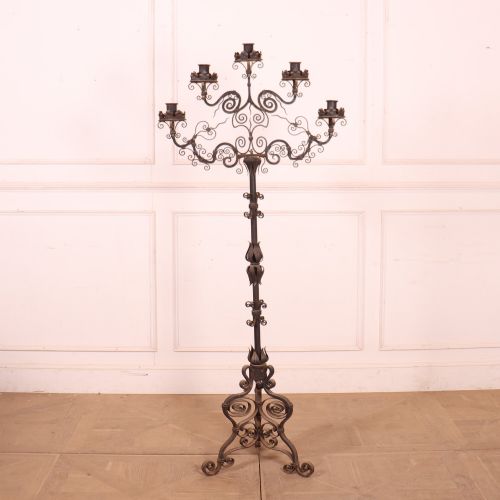
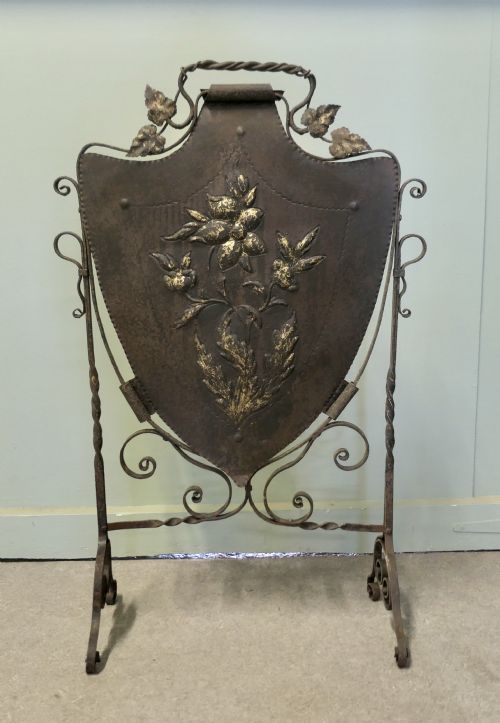
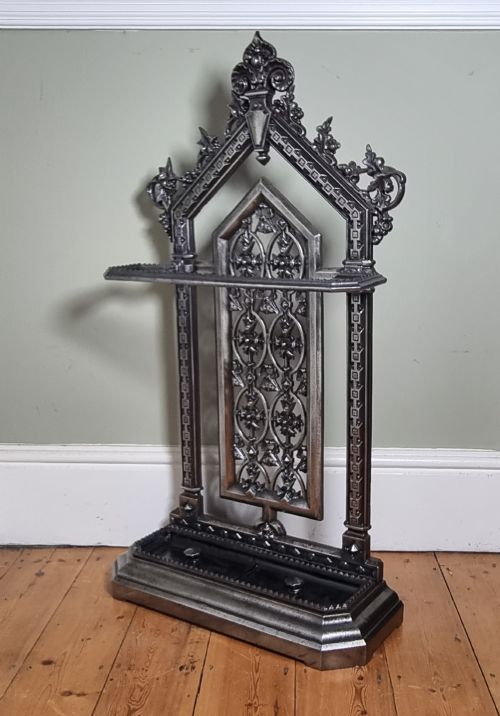
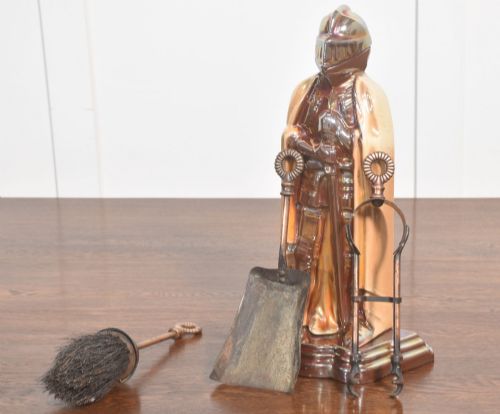
Alongside timber furniture, metalwork versions appear frequently, ranging from cast iron stick stands to heavy brass altar sticks and floor-standing candelabra. These metal examples often incorporate aesthetic movement or arts and crafts influences alongside strict gothic revival geometry.
What varies in quality
Depth of carving and structural integrity separate standard utility pieces from exceptional examples, with crisp hand-chiselled tracery outperforming mass-produced mechanical mouldings. The choice of timber grain and the clever integration of brass or tile insets dictate the visual weight of the piece.
Proportion and scale also determine distinction, as smaller occasional items demand precise turning while large hall stands and lecterns require balanced architectural mass. The integration of functional hardware, such as adjustable brass fittings or sturdy iron drip pans, marks superior workshop production.
Listings feature items spanning the 19th century, Victorian, Edwardian, and early 20th century periods in oak, brass, iron, and walnut.
Baillie Scott·Wm. Tonks & Sons·Minton
The Gothic Revival Stand Glossary
- Trefoil
- A three-lobed ornamental design resembling a clover leaf, commonly pierced through wooden panels or carved into table tops. This shape is a fundamental building block of gothic tracery.
- Pricket candlestick
- A candle holder featuring a sharp metal spike upon which a large wax candle is mounted, frequently seen in ecclesiastical settings. These tall brass or bronze items provided illumination in churches.
- Lectern
- A slanted reading desk designed to hold large books or manuscripts for public reading. They appear in oak or wrought iron with adjustable stands.
- Hall stand
- A tall piece of hallway furniture combining coat hooks, umbrella racks, and occasionally a mirror or glove box. They anchor entrance spaces with heavy timber construction.
- Linenfold
- A style of wood carving that imitates folded linen cloth, frequently used on the panels of cupboards and lecterns. It adds texture to flat wooden surfaces.
Gothic Revival Stand: Frequently Asked Questions
Where should I put a gothic revival stand?
These pieces suit entrance halls, libraries, or living spaces where their architectural lines can anchor a room.
They work particularly well against plain walls that allow the carved tracery and dark timber grain to stand out.
How do I care for antique oak furniture?
Keep wooden stands away from direct heat sources and sudden humidity changes to prevent the timber from splitting.
Apply a traditional beeswax polish occasionally to nourish the grain without building up a sticky residue.
What is the difference between an altar stick and a normal candlestick?
Altar sticks are generally much taller and heavier, designed to stand on the floor or a church altar rather than a dining table.
They frequently incorporate brass, bronze, or iron with a pricket top rather than a standard socket.
How can I tell a Victorian piece from an Edwardian one?
Victorian examples tend to feature heavier, darker timber with dense ecclesiastical carving and complex ornamentation.
Edwardian pieces often show lighter oak tones and simpler arts and crafts influences with cleaner lines.