



Gothic Revival Silver
Gothic revival silver brings together ecclesiastical motifs and secular domestic forms for those who appreciate historic architectural ornament.
Gothic Revival Silver
When you search for gothic revival silver, you encounter a selection spanning the nineteenth century alongside pieces from later decades. These items reflect architectural motifs adapted for domestic and ecclesiastical use.
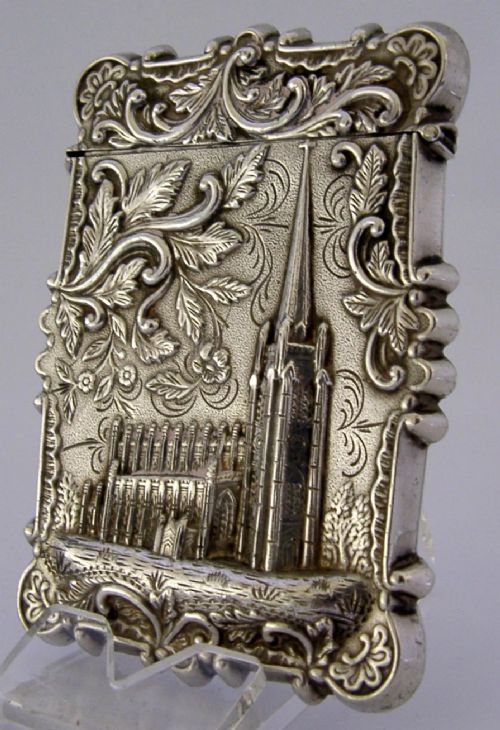
The objects listed display diverse forms, from card cases and grape shears to corona lights and altar crosses. Each piece demonstrates how makers translated stone tracery and pointed arches into precious metal and plated wares.
Materials and Construction
Makers utilised sterling silver and silver plate, often combining metalwork with glass, wood, oak, brass, and steel to achieve substantial weight and texture. Techniques such as casting and riveting allowed craftsmen to build complex architectural structures.
The physical construction relies on heavy gauge metals to support the pointed arches, tracery, and decorative elements characteristic of the style.
Gothic Revival Silver Retail Price Guide 2026
Typical asking prices for gothic revival silver among the pieces listed under this phrase on Sellingantiques today, from the lower quarter to the upper quarter. They describe what is for sale here now, not the wider market.
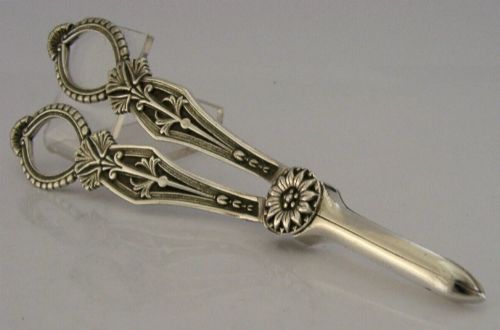
Grape shears ensure that every nineteenth-century bunch of fruit meets its proper architectural end.
Evaluating Quality
Quality rests in the crispness of the cast ornament and the integrity of the joins between structural elements. Heavier metal gauge distinguishes substantial items from lighter production.
The refinement of chased details and the fidelity of the architectural translation separate standard utilitarian items from finer examples.
The Gothic Revival Silver Glossary
- Sterling Silver
- A standard alloy consisting of 92.5 percent silver by mass and 7.5 percent other metals, usually copper. This composition provides durability while maintaining a bright lustre.
- Silver Plate
- A layer of silver applied to a base metal core such as copper or brass. This technique offered an accessible alternative to solid silver objects.
- Corona
- A circular crown or halo suspended from above to hold candles or lights. In ecclesiastical contexts, these fixtures provided illumination over altars or chancels.
- Tracery
- Architectural stonework supporting glass in a window, translated here into metalwork. It forms the intricate geometric patterns seen on boxes and card cases.
Gothic Revival Silver: Frequently Asked Questions
What is gothic revival silver?
Gothic revival silver comprises objects influenced by medieval architecture, featuring pointed arches, trefoils, and tracery adapted into domestic and ecclesiastical items.
These pieces range from functional barware to devotional objects, reflecting a nineteenth-century fascination with medieval design.
How do I care for silver plate?
Silver plate requires gentle cleaning with non-abrasive cloths and specialised polishes to protect the thin surface layer from wear.
Avoid harsh dips that strip the plating and store items in tarnish-resistant environments when not on display.
When was the gothic revival period?
The movement gained momentum in the nineteenth century, drawing inspiration from medieval Gothic architecture and design.
Later interpretations continued into the twentieth century, applying these historicist motifs to various decorative arts.
How were these pieces used?
Items served both sacred and secular functions, from lighting churches and holding altar crosses to practical dining and desk accessories.
Wealthy households utilised similar motifs for card cases and decorative boxes to project historical awareness and refined taste.