






Gothic Revival Decor
Gothic revival decor brings medieval church architecture and monastic craftsmanship directly into domestic interiors through heavy timber, cast brass, and ecclesiastical brassware.
Gothic Revival Decor
When you search for gothic revival decor, you encounter domestic items and architectural fragments drawing directly upon medieval design traditions. The pieces here span the nineteenth century, including Victorian examples alongside later twentieth-century interpretations.
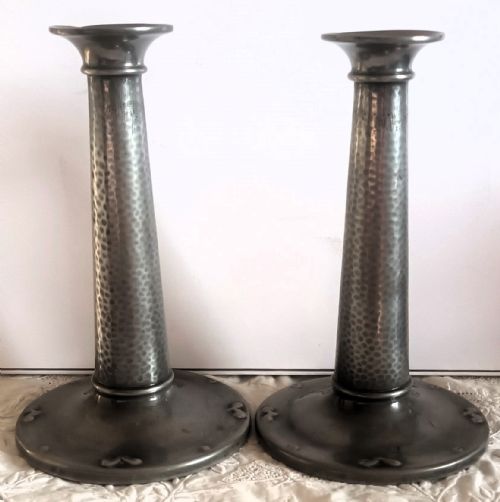
Lighting forms a substantial part of these selections, ranging from brass altar candlesticks and pricket sticks to church candle holders. Alongside illumination, domestic accessories such as extending book slides appear frequently.
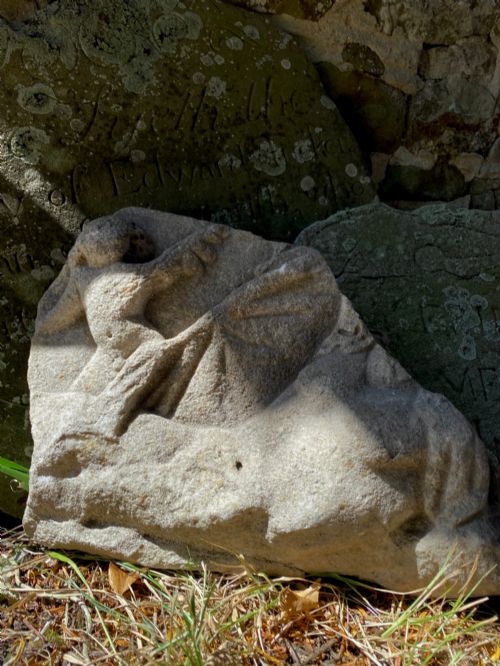
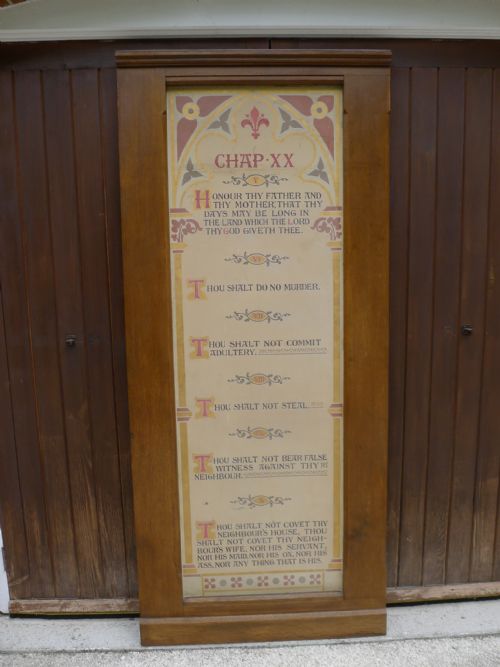
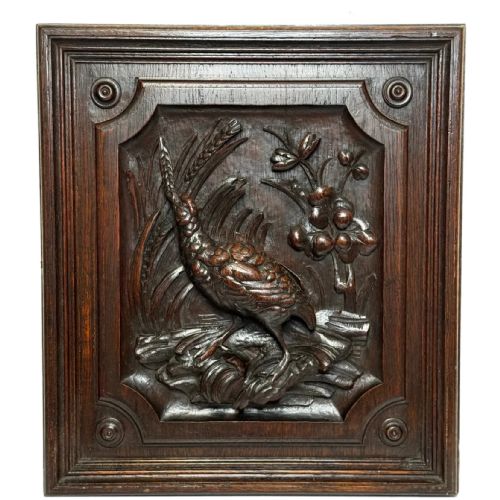
Architectural elements provide another distinct category within these listings. Carved oak panels, griffin terminals, crests, and wall plaques ground the aesthetic in structural woodwork.
How they were made
Woodworking relies heavily on native timbers, predominantly oak and maple, shaped through deep carving and joinery. Carved panels and book slides demonstrate relief work depicting heraldic motifs or mythical creatures.
Metalwork utilises brass, cast brass, and pewter, often shaped into ecclesiastical vessels and altar fittings. These metal pieces employ casting and construction methods suited to heavy daily use in religious or domestic settings.
Mixed media and paper items incorporate specialised techniques such as leathermaché and original drawing. These works illustrate historical design studies and architectural decorations intended for interior display.
Gothic Revival Decor Retail Price Guide 2026
Typical asking prices for gothic revival decor among the pieces listed under this phrase on Sellingantiques today, from the lower quarter to the upper quarter. They describe what is for sale here now, not the wider market.
Object forms span functional lighting, architectural salvage, carved panels, and extending book slides.
What varies in quality
Materials and weight signal the underlying quality of metalwork and wooden objects alike. Substantial brass castings and dense, well-figured oak retain their structural integrity and decorative sharpness more effectively than lighter substitutes.
The Gothic Revival Decor Glossary
- Pricket stick
- A candlestick featuring a central spike that impales the candle rather than sliding into a socket. These objects derive directly from ecclesiastical altar fittings.
- Book slide
- An extendable desk accessory designed to hold a row of volumes upright between two decorative ends. Victorian examples often incorporate carved wood or brass mounts.
- Memento mori
- An artistic or symbolic reminder of the inevitability of death. These pieces frequently incorporate skull or skeletal motifs.
- Griffin terminal
- A decorative architectural end piece carved in the likeness of a mythical beast with the body of a lion and the head of an eagle.
- Tin tabernacle
- A prefabricated corrugated iron church popular during the nineteenth century. Fittings salvaged from these structures often retain distinct ecclesiastical characteristics.
Gothic Revival Decor: Frequently Asked Questions
What is gothic revival decor?
Gothic revival decor encompasses nineteenth-century and later items inspired by medieval architecture, church furnishings, and monastic design. It includes ecclesiastical brassware, carved wooden panels, and domestic accessories.
These pieces draw upon pointed arches, heraldic motifs, and dark woods to recreate a medieval aesthetic within domestic spaces.
How were church candlesticks used?
Church candlesticks were placed upon altars or sanctuary floors to provide illumination during religious services. They often took the form of heavy brass pricket sticks designed for large wax candles.
Over time, many of these ecclesiastical items transitioned into domestic interiors as decorative lighting or focal points.
What woods were used?
Oak is the predominant timber found in these architectural carvings, panels, and furniture slides. Its grain and durability made it the standard choice for heavy medievalizing woodwork.
Maple also appears in lighter domestic items such as extending book slides, offering a different tonal quality.
How do I date these pieces?
Dating relies upon stylistic markers, materials, and construction methods associated with the nineteenth century and the broader Victorian era. Arts and Crafts influences often point toward the late nineteenth or early twentieth century.
Examination of tool marks, metal composition, and joinery helps distinguish mid-nineteenth-century examples from later revivals.