



Gothic Revival Carvings
Gothic revival carvings bring medieval architecture and sacred iconography into domestic spaces through meticulously worked timber, stone and plaster.
Gothic Revival Carvings
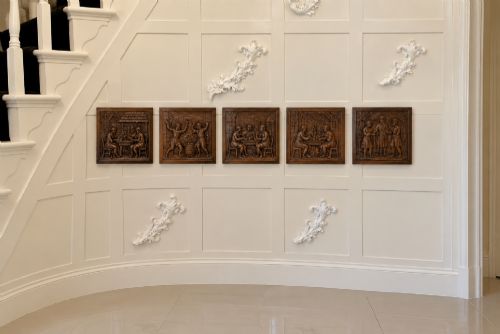
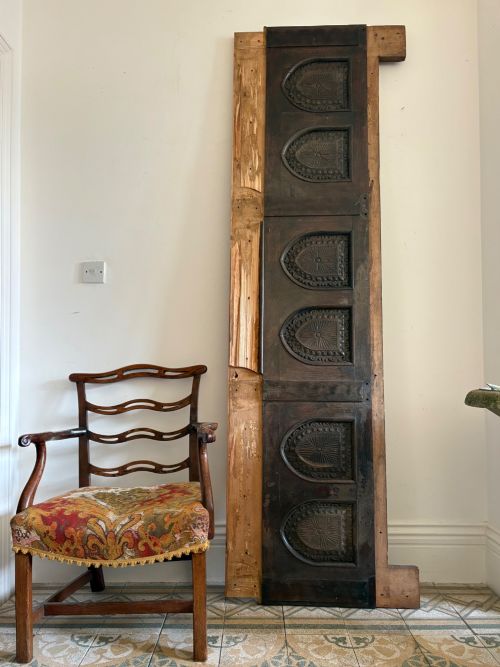
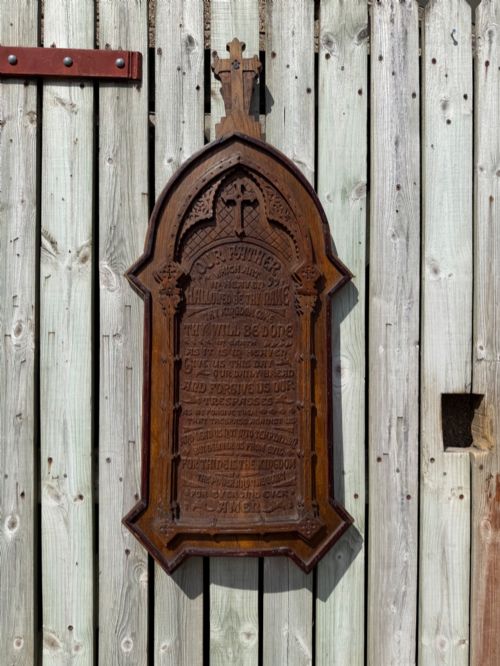
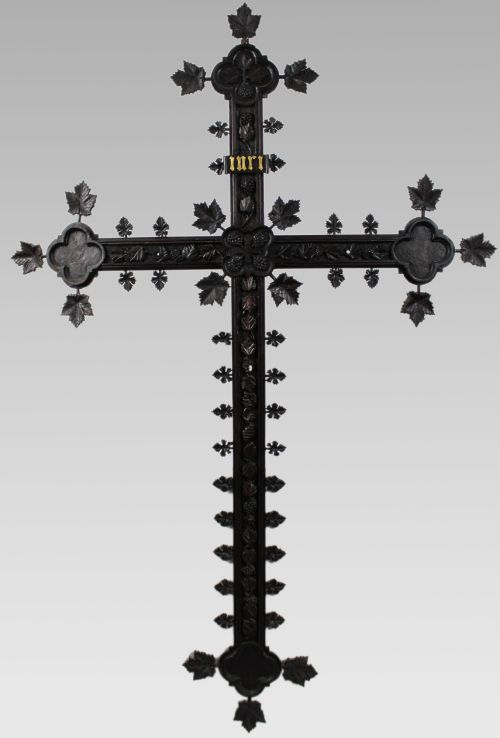
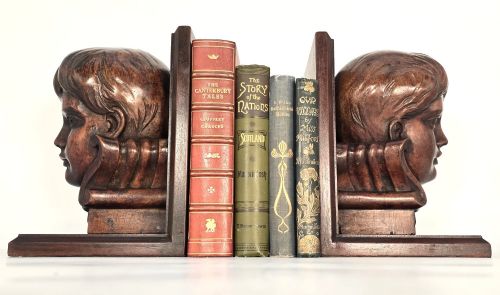
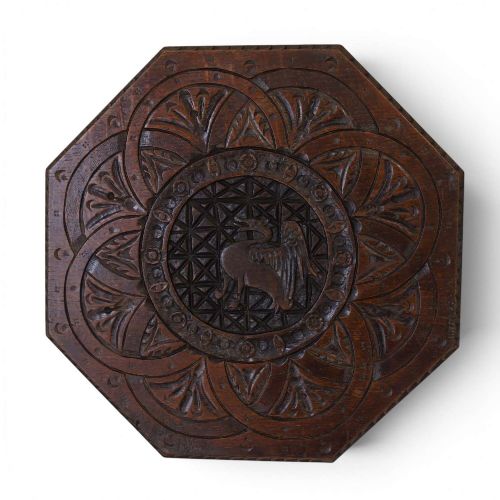
Gothic revival carvings encompass architectural elements, ecclesiastical panels, figurative sculptures and decorative objects produced primarily during the nineteenth century. These pieces draw heavily on medieval aesthetics, utilising forms such as tracery, linenfold panels, ceiling bosses and carved figures of saints and monks.
Many of these works reflect specific nineteenth century revivals, incorporating design influences from figures such as Pugin alongside traditional motifs like Tudor roses, Green Men and heraldic shields. They serve as direct tactile links to historic building practices and religious craftsmanship.
How they were made
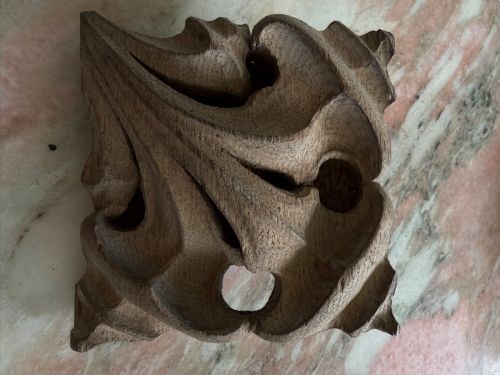
Makers relied predominantly on seasoned hardwoods like oak and walnut, alongside softer timbers such as pine and fruitwood, depending on whether a piece was destined for domestic display or architectural integration. Skilled carvers utilised gouges, chisels and parting tools to execute deep relief work, intricate tracery and pierced foliage.
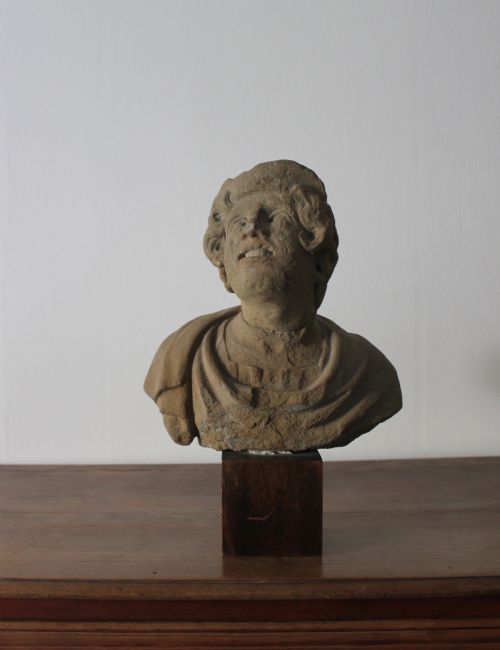
Stone elements, including sandstone and limestone fragments or pinnacles, required mallet and chisel work on dense sedimentary blocks. Surface finishes typically involved hand waxing, oiling or leaving the timber bare to age naturally over decades of handling.
A dragon mirror signed by L Blondie proves that even medieval beasts need a quick check of their scales before flying off.
What varies in quality
The choice of material and structural integrity also dictate standard, with dense figured oak or genuine architectural salvage commanding greater appreciation than soft pine or later composite reproductions.
L Blondie
The Gothic Revival Carvings Glossary
- Tracery
- Stone or wooden openwork elements forming patterns in the upper parts of windows or panels. This technique is central to ecclesiastical design and wall decoration.
- Linenfold
- A style of wood carving representing folded parchment or linen used to decorate vertical panels. It originated in the late medieval period and was revived extensively in the nineteenth century.
- Ceiling Boss
- A decorative projecting block of wood or stone placed at the intersection of ribs in a vaulted ceiling. These often feature carved leaves, faces or heraldic devices.
- Poppy Head
- An ornamental carving finishing the top end of a bench pew, usually taking the form of a leaf, flower or animal. They are frequently found on church seating salvaged from the nineteenth century.
Gothic Revival Carvings: Frequently Asked Questions
What are gothic revival carvings?
Gothic revival carvings are decorative and architectural objects produced mostly in the nineteenth century that imitate medieval church and castle ornamentation. They include wooden wall panels, stone fragments, figures of saints and ecclesiastical furnishings.
Craftsmen created these pieces to satisfy a Victorian appetite for historicism and medieval romance. They bridge the gap between ancient ecclesiastical architecture and nineteenth century domestic interiors.
How were architectural panels used?
Original architectural panels like linenfold or tracery sections served as wall linings, rood screens or church pew components. When salvaged, they were frequently repurposed as decorative wall plaques or incorporated into nineteenth century furniture.
In modern settings, these panels function best when mounted directly onto walls as focal points. Their rich wood grain and deep relief work add immediate architectural weight to plain modern rooms.
How do you date a carving?
Dating relies on timber species, tool marks left by the carver, and stylistic cues specific to the nineteenth century or earlier periods. Oak and walnut pieces often show hand-planed backs or pegged joints typical of older construction methods.
Comparing the specific style of foliage or lettering against documented nineteenth century design sources helps narrow down the decade. Nineteenth century revivals often blended medieval motifs with contemporary Victorian proportions.
Where should I place stone fragments?
Stone fragments such as sandstone bosses or limestone pinnacles require stable, dry indoor environments to prevent moisture damage and crumbling. Placing them on sturdy mantelpieces, bookcases or dedicated stone plinths ensures adequate weight support.
Avoid direct contact with damp walls or unsealed outdoor areas where frost can fracture the porous material. Proper indoor placement preserves the crisp edges of the historic carving.