
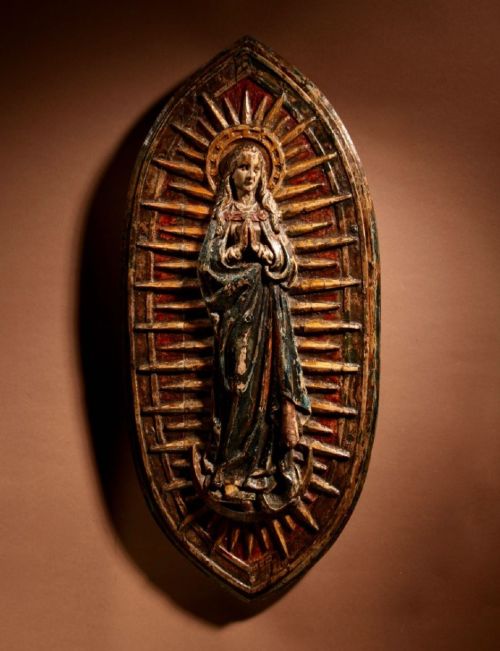


Gothic Oak Statue
A gothic oak statue brings centuries of devotion into a room, carved from stubborn timber to capture saints, madonnas, and mythical beasts.
Gothic Oak Statue
A gothic oak statue represents carved wooden figures ranging from pre-sixteenth century devotional carvings to nineteenth century revivals and later interpretations. Buyers encounter depictions of saints, the Virgin and Child, and heraldic creatures like griffins and lions.
The selection includes fragments of altarpieces, wall sculptures, and free-standing figures originating from regions such as Germany, France, and the Low Countries. Sixteenth century pieces sit alongside nineteenth century gothic revival works.
Religious subjects dominate the selection, including figures of St Paul, St Catherine, and depictions of the Pieta. These wooden sculptures span the late medieval period through the renaissance and into later historical revivals.
Sculptural depth and surface preservation
Quality rests in the handling of anatomical form, facial expression, and the rhythmic fall of carved drapery folds. Master carvers achieved natural movement in stiff timber, whereas lesser works remain rigid and flat.
The survival of original surface treatments such as polychrome pigment and gesso influences the character of a piece. Depth of carving in high relief panels separates standard decorative items from significant sculptural fragments.
Stray serpents and watchful griffins keep quiet company with the saints.
The Gothic Oak Statue Glossary
- Polychrome paint
- Decoration applied in multiple colours to the surface of wood sculpture. It was often laid over a prepared gesso ground.
- Gesso
- A plaster mixture applied to wood to create a smooth surface for painting or gilding. It provides a crisp base for fine detail.
- Gilded wood
- Timber surfaces covered with a thin layer of gold leaf. This technique highlighted specific details on religious figures and altarpieces.
- Altarpiece
- A structured artwork positioned behind an altar, often featuring carved central panels and subsidiary figures. Surviving panels frequently depict saints or narrative scenes.
- Pieta
- A subject showing the Virgin Mary supporting the dead body of Christ. It appears in medieval and renaissance wood carving.
Gothic Oak Statue: Frequently Asked Questions
How do I date a gothic oak statue?
Dating relies on tool marks, the style of drapery, and regional carving conventions. Early pieces show adze and chisel work consistent with medieval workshop methods.
Later nineteenth century revivals often mimic earlier forms but use different finishing techniques and display cleaner, less weathered timber.
Where were these statues originally placed?
Many figures formed part of larger architectural schemes, church altarpieces, or domestic devotional shrines. Figures of saints and angels stood in niches or decorated church walls.
Smaller groups and individual panels served private prayer in domestic settings or monastic quarters.
How should I care for an oak sculpture?
Keep wooden sculptures away from direct heat sources and dramatic humidity fluctuations to prevent splitting. Stable indoor conditions protect both the bare oak and any remaining gesso or pigment.
Dust the surface gently with a dry, soft brush rather than using liquid polishes or chemical cleaners.