

Gothic Mirror
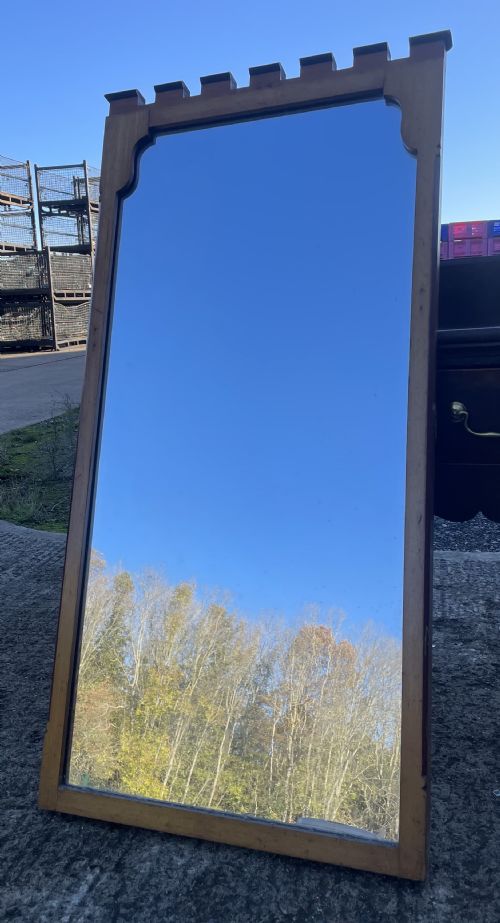
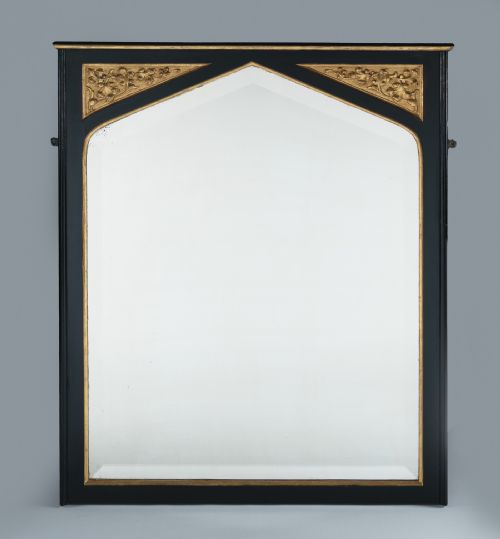
A gothic mirror brings architectural presence and heavy timber character to an interior.
Gothic Mirror
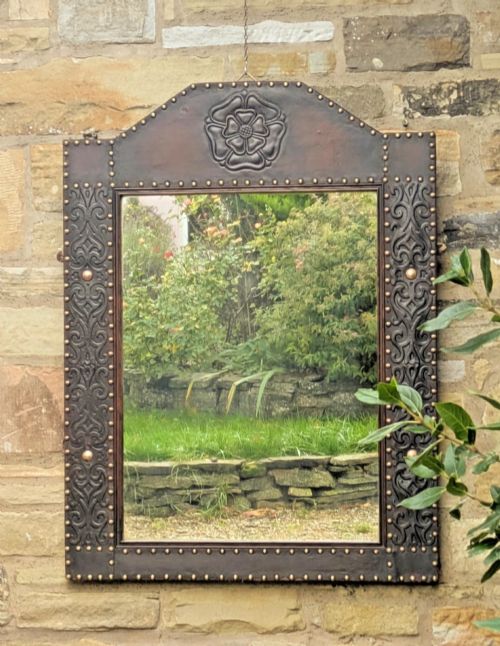
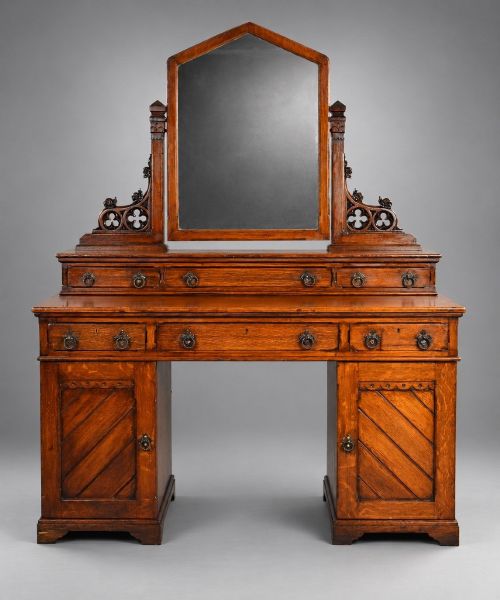
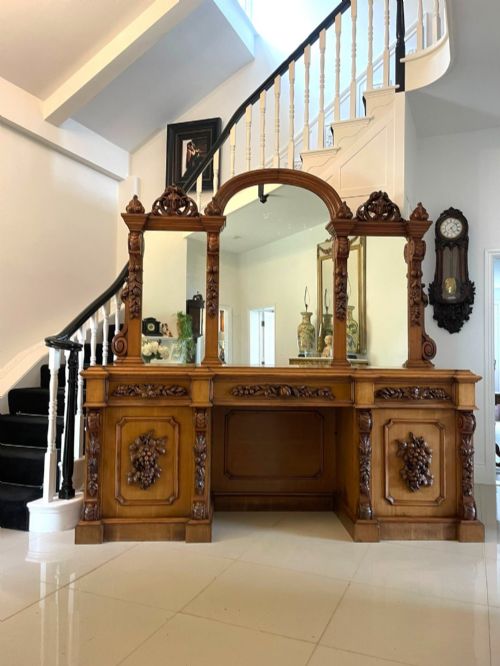
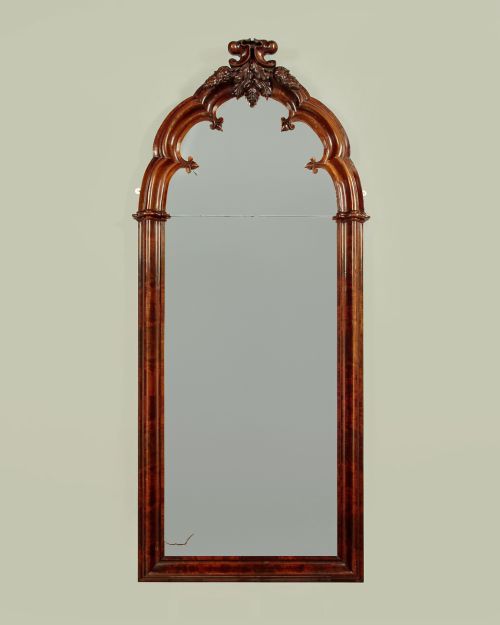
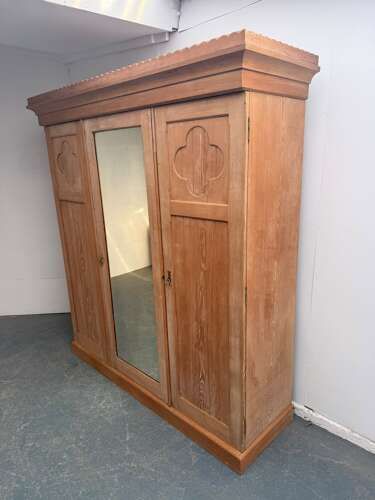
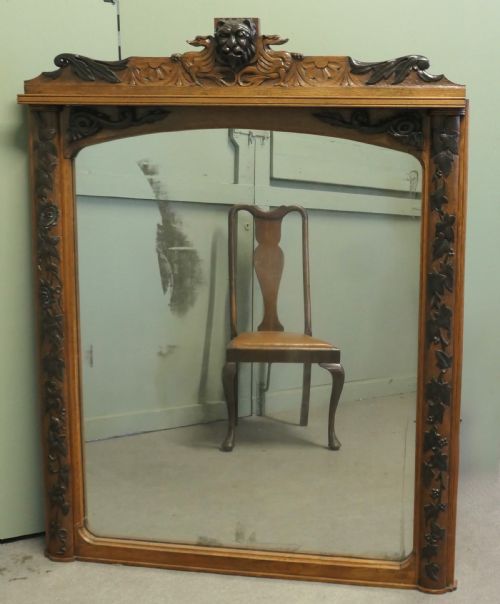
When you search for a gothic mirror, you encounter timber frames and overmantels drawing on architectural idioms of the nineteenth century. These pieces appear frequently as wall-hung plates or large overmantels designed for nineteenth-century reception rooms.
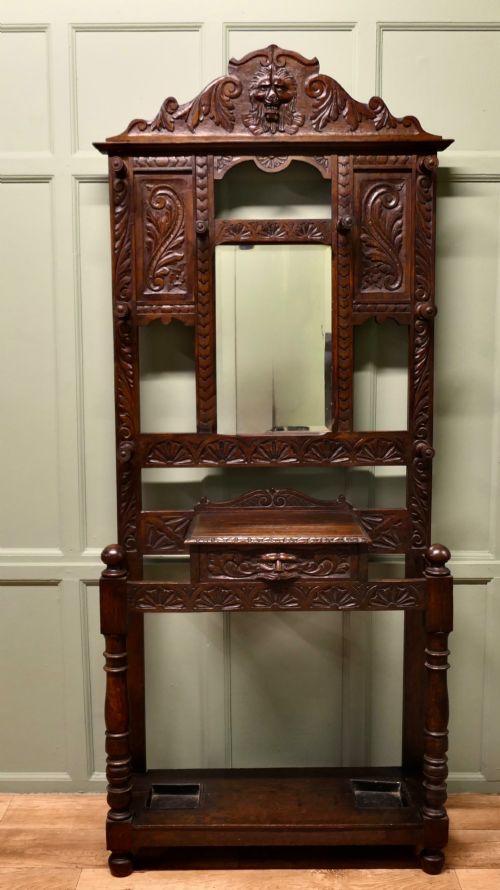
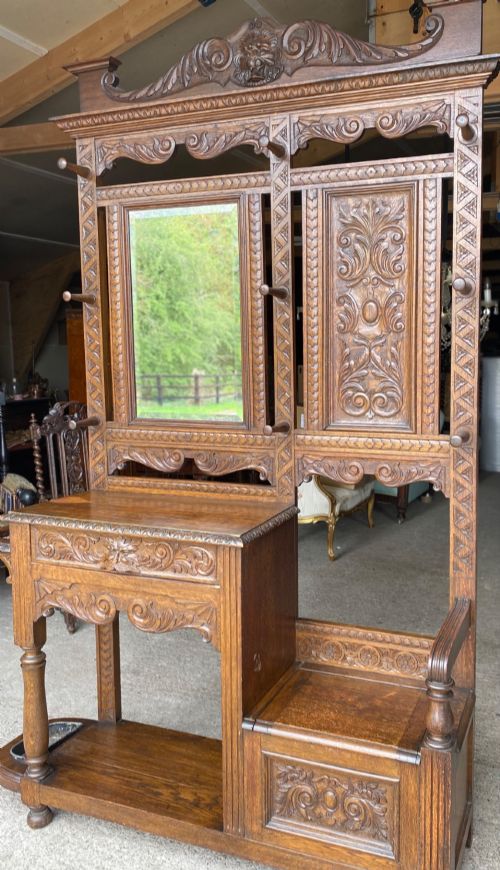
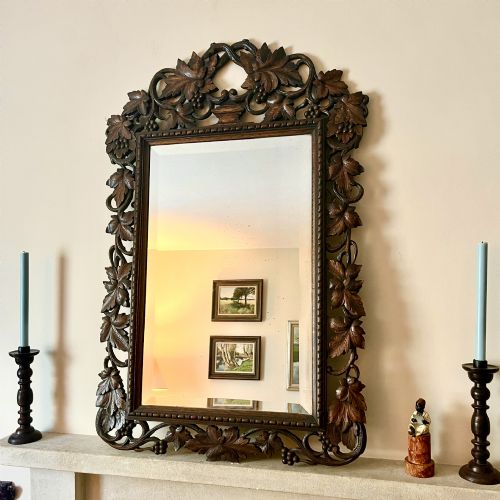
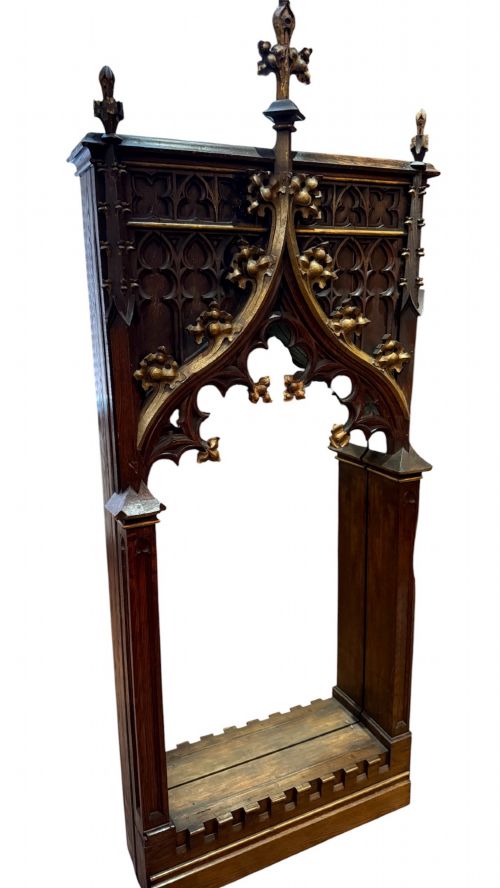
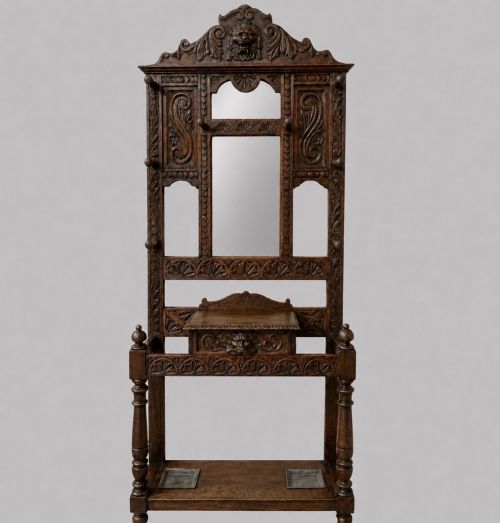
The material record on this page shows heavy reliance on carved oak, alongside mahogany, walnut, and giltwood. Makers utilised these durable timbers to build substantial wall mirrors and hall stands with distinct pointed arches and cusped tracery.
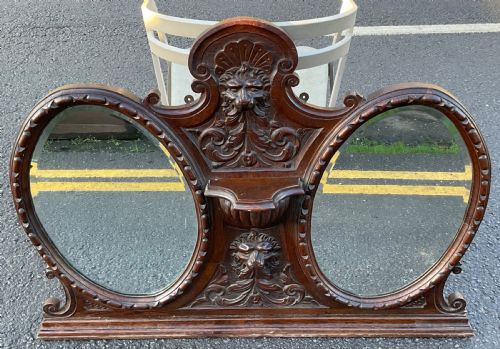
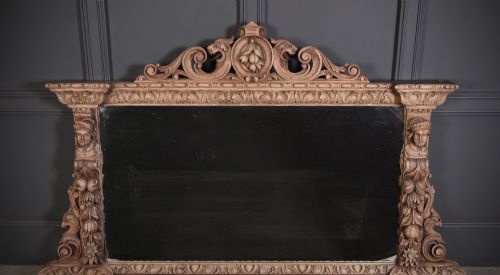
Periods represented range from the Regency era through the Victorian epoch into the Edwardian years. Pieces span straightforward wall mirrors to elaborate overmantels incorporating armorial crests, green man carvings, and shelf brackets.
Materials and Construction
Carpenters constructed these frames primarily from solid oak, mahogany, and walnut, often applying deep relief carving by hand. Giltwood and gesso appear on more formal overmantels, while cast iron serves structural roles in hall stands and coat racks.
Joinery methods relied on heavy pegged tenons and rebated frames to support thick mirror glass plates. Iron and brass hardware secure backing panels and hanging loops to bear the considerable weight of the timber.
Gothic Mirror Retail Price Guide 2026
Typical asking prices for gothic mirror among the pieces listed under this phrase on Sellingantiques today, from the lower quarter to the upper quarter. They describe what is for sale here now, not the wider market.
Several pieces incorporate fierce green man carvings peering out from the oak foliage to watch over the hallway.
Assessing Quality and Execution
Depth and crispness of the wood carving dictate the distinction between standard production and master execution. Sharp undercut foliage, well-defined tracery, and balanced proportions separate superior panels from repetitive factory work.
The integration of the mirror plate within the timber rebate matters significantly. Original bevelled or flat glass plates secured with period timber slips demonstrate proper original assembly rather than later replacement.
The Gothic Mirror Glossary
- Tracery
- Architectural openwork ornamentation of intersecting ribbing, frequently translated into timber on mirror frames. This pattern mimics stone window tracery found in medieval buildings.
- Overmantel mirror
- A large mirror designed specifically to hang on the wall directly above a fireplace mantelpiece. These pieces often feature wide horizontal proportions and shelf components.
- Pier mirror
- A tall vertical mirror manufactured to fit the narrow wall space between two windows. They make efficient use of natural light in high-ceilinged nineteenth-century rooms.
- Gesso
- A plaster-based material applied to wood surfaces and moulded to form decorative relief details before gilding. It provides a smooth base for metallic leaf finishes.
Gothic Mirror: Frequently Asked Questions
Where should I hang a gothic mirror?
These pieces suit high-ceilinged reception rooms, hallways, and over mantelpieces where their architectural proportions balance large wall surfaces. Ensure the wall structure supports substantial timber and glass weight.
Pair them with plain walls or period panelling to let the carved details stand out without visual clutter.
How do I clean an antique mirror plate?
Use a soft microfiber cloth and a mild, ammonia-free glass cleaner applied to the cloth rather than directly to the glass. This prevents moisture from seeping behind the silvering.
Take care around the edges of the plate where historical silver degradation often begins.
How do I identify a Victorian gothic mirror?
Look for characteristic design elements such as pointed arches, trefoils, and heavy carved oak frames typical of nineteenth-century revival movements. Materials commonly include solid oak, walnut, and brass.
Construction methods typically feature hand-cut joints and thick timber backboards.