



Gothic Kitchen Dresser
A gothic kitchen dresser brings robust timber and pointed arches into domestic spaces, offering sturdy storage for daily ware.
Gothic Kitchen Dresser
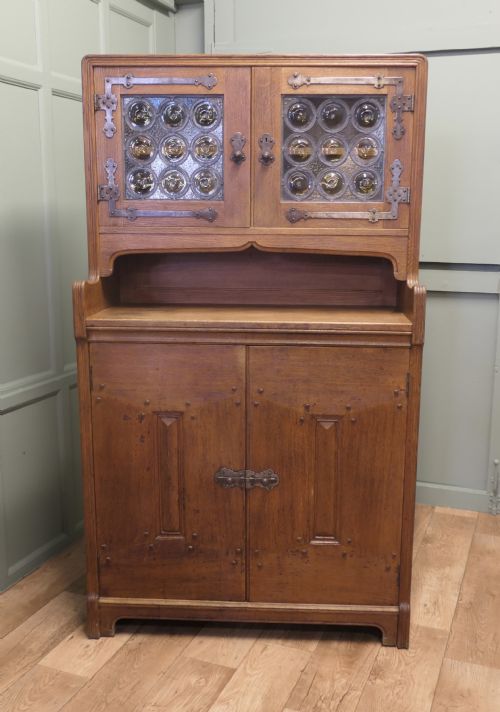
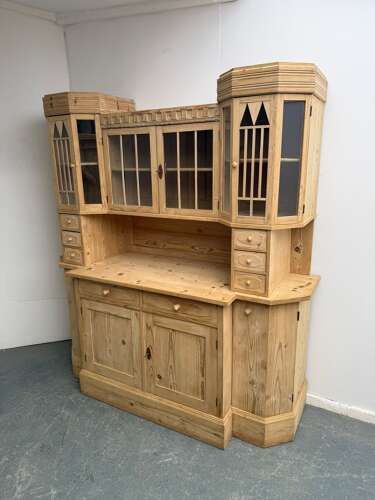
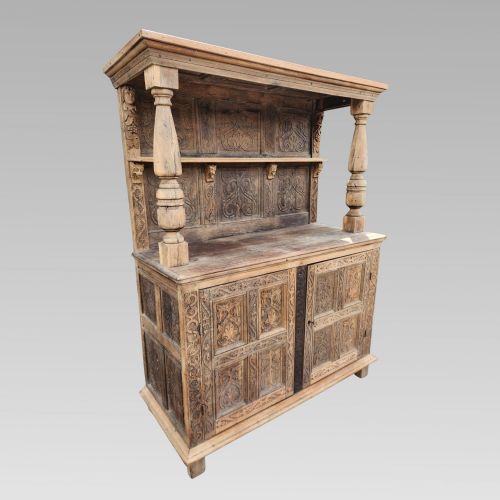
A gothic kitchen dresser serves as a substantial storage piece, combining lower cupboards with upper plate racks or shelving units. These items appear across the nineteenth century, including specific dates like 1850, 1880, 1900, and 1910, alongside examples from the eighteenth century.
The forms seen here include two-piece kitchen dressers, sideboards, glazed cabinets, and housekeeper's cupboards. Makers and designers such as Liberty and Augustus Pugin contributed to this tradition, alongside regional pieces like West Country glazed dresser furniture.
Buyers encounter styles spanning Gothic Revival, Arts and Crafts, and French Renaissance Revival. Woods range from oak, stained oak, pine, and elm to multi-wood combinations and general wood, often paired with glass, brass, and iron hardware.
Materials and construction
Carpenters built these kitchen dressers using solid timbers such as oak, elm, and pine, frequently selecting sturdy local woods for structural endurance. Surfaces received wax treatments, paint finishes including scrumbled paint, or retained their natural grain.
Hardware elements incorporate brass and iron for hinges, handles, and structural braces, while upper sections occasionally feature glazed doors. Multi-wood construction demonstrates resourceful timber use in regional workshops.
Gothic Kitchen Dresser Retail Price Guide 2026
Typical asking prices for gothic kitchen dresser among the pieces listed under this phrase on Sellingantiques today, from the lower quarter to the upper quarter. They describe what is for sale here now, not the wider market.
Some nineteenth-century pine dressers wear old scrumbled paint designed to mimic far costlier timbers.
Factors that separate the range
The distinction between standard utility items and high-end examples rests upon design pedigree and timber selection. Pieces associated with notable designers like Augustus Pugin or firms such as Liberty display superior proportion and intentional detailing compared to anonymous country workshop items.
Construction integrity and original surface treatments heavily influence the character of each piece. Retained historic finishes, such as early paint layers or patinated wax on oak and elm, elevate the visual cohesion of the cabinetwork.
Liberty·Augustus Pugin
The Gothic Kitchen Dresser Glossary
- Gothic Revival
- A design movement drawing inspiration from medieval architecture, characterised by pointed arches, tracery, and vertical emphasis. This style influenced furniture production significantly during the nineteenth century.
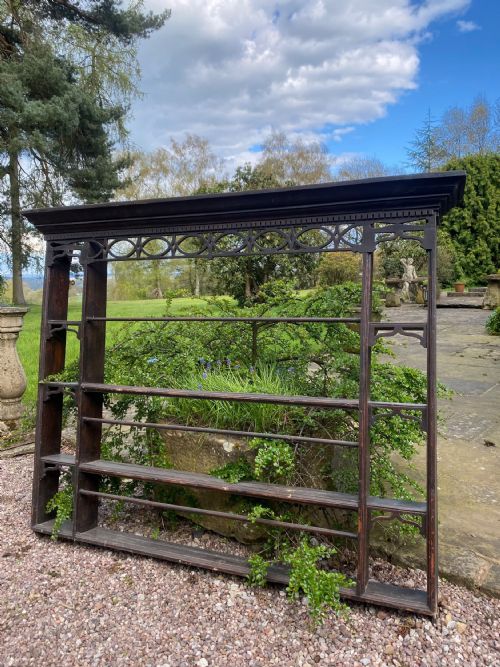
- Plate rack
- An open shelving attachment mounted above the base cabinet, designed specifically to display plates upright. These structures often incorporate plate grooves to secure ceramics safely.
- Scrumbled paint
- A decorative surface technique involving the manipulation of translucent paint layers to simulate wood grain or texture. It appears frequently on vernacular pine furniture.
- Housekeeper's cupboard
- A large storage piece traditionally used in large domestic kitchens for linens and dried goods. These tall cupboards feature multiple panelled doors enclosing interior shelving.
Gothic Kitchen Dresser: Frequently Asked Questions
What is a gothic kitchen dresser?
A gothic kitchen dresser is a large storage unit featuring lower cupboards and upper shelving, styled with medieval architectural motifs. These pieces combine practical kitchen storage with decorative Revival aesthetics.
They appear in various woods like oak, pine, and elm, reflecting regional British and French cabinetmaking traditions from the eighteenth to the twentieth century.
How were these dressers used?
Historically, these items served as central storage hubs in domestic kitchens and dining spaces. The lower cupboards held heavy cookware and provisions, while upper plate racks displayed ceramic tableware.
Today, they function similarly in modern interiors, providing substantial display space and enclosed storage for everyday items.
How do I date a dresser?
Dating relies on examining construction methods, timber choice, and stylistic markers such as hardware and decorative carving. Pieces from the eighteenth century often show different joinery techniques compared to nineteenth-century Gothic Revival examples.
Associated designer marks or documented firm styles, such as Arts and Crafts influences from 1900, also help narrow down the period of manufacture.
What woods were used?
Cabinetmakers utilised a variety of native timbers depending on regional availability and workshop standards. Oak and elm provided robust durability for high-end commissions, while pine served as a common material for painted country pieces.
Some examples incorporate multi-wood construction, utilising contrasting timbers for decorative effect within the framework.