


Gothic Hanging Pendant Light
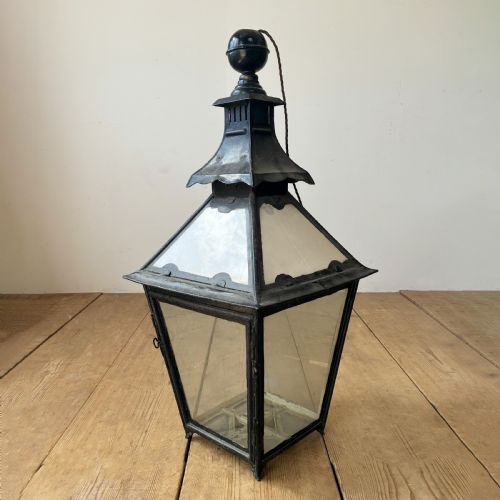
A gothic hanging pendant light brings medieval architectural drama and heavy metalwork into high-ceilinged hallways and porches.
Gothic Hanging Pendant Light
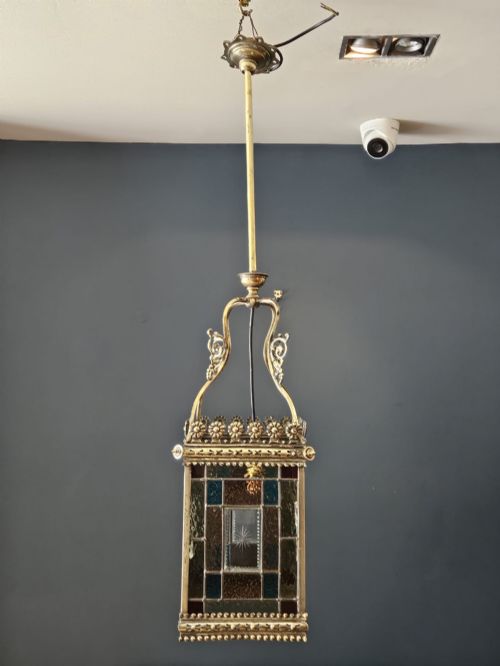
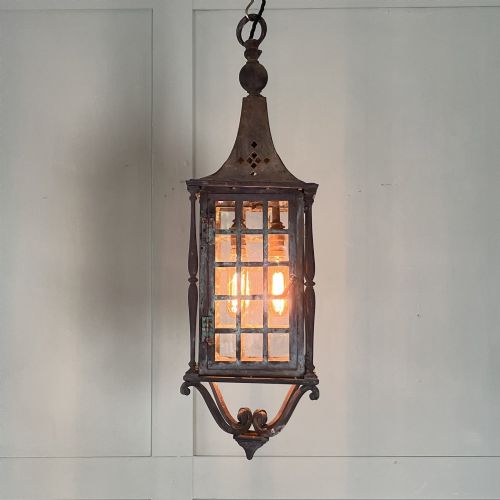
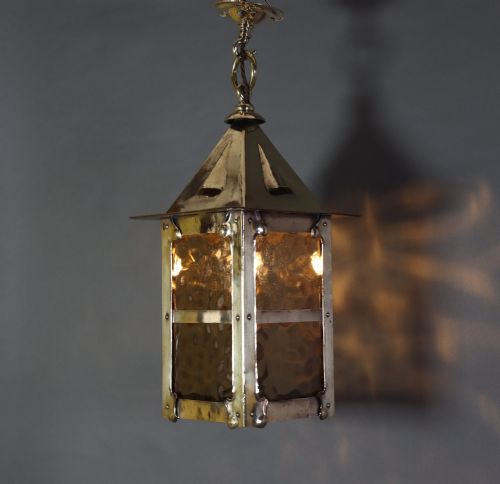
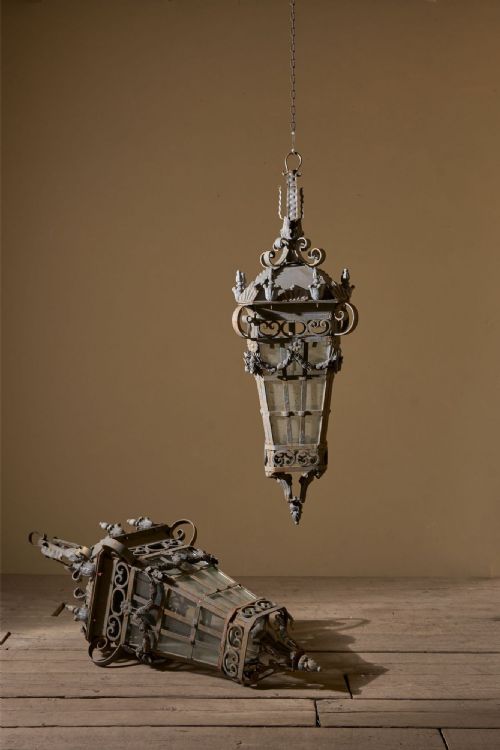
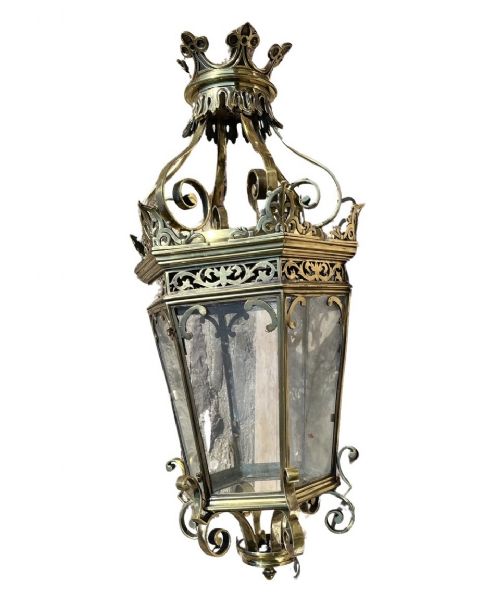
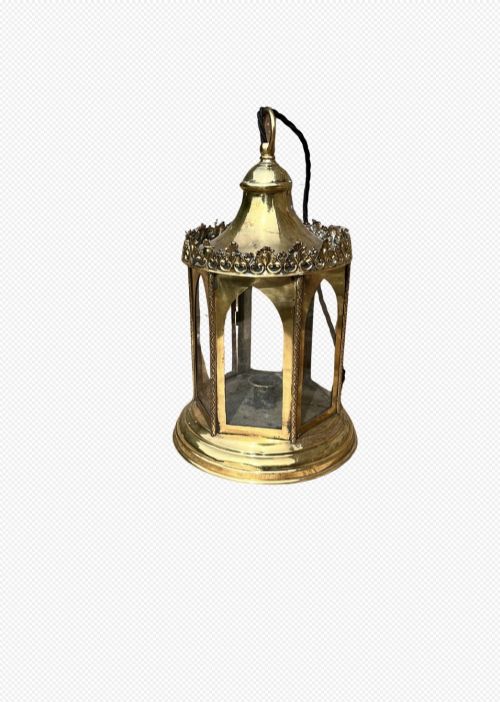
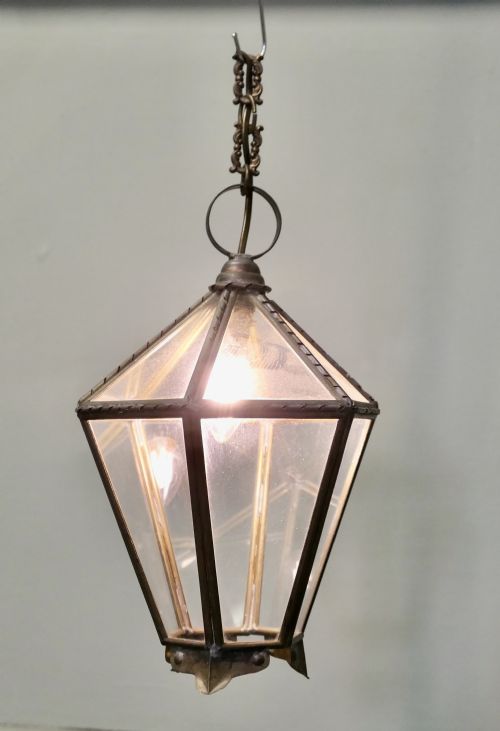
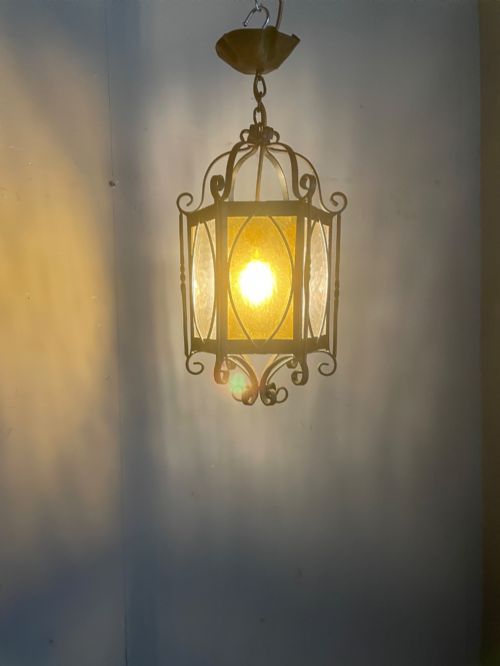
A gothic hanging pendant light draws on medieval ecclesiastical architecture, appearing primarily in Victorian, Edwardian, and early twentieth-century iterations. You will frequently encounter brass frames, wrought iron cages, and hexagonal hall lanterns suspended from chains or rods.
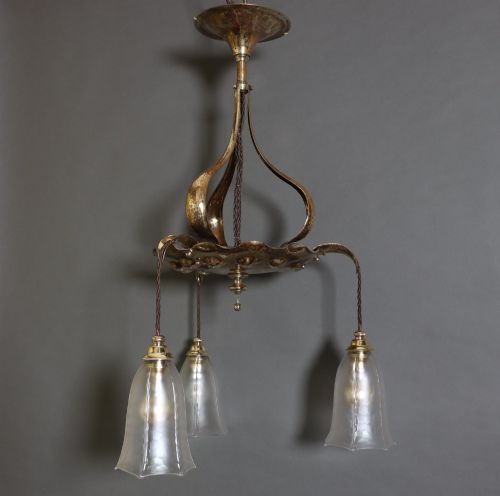
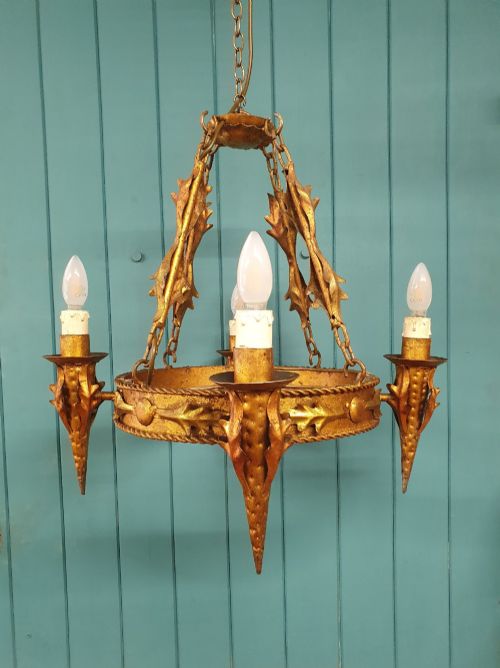
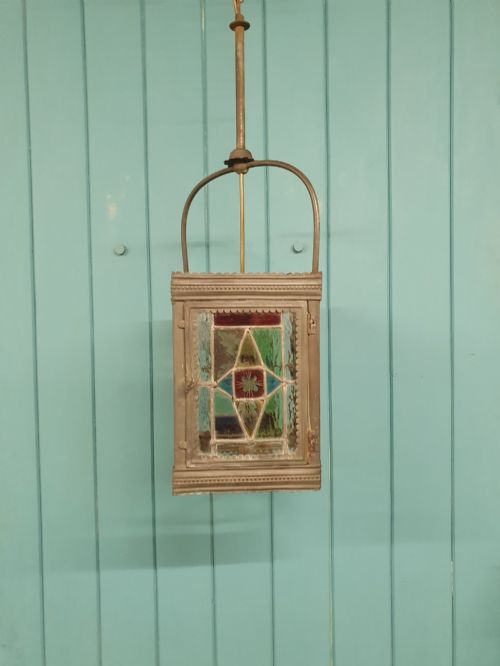
The aesthetic merges heavy structural metal with intricate glass panels, often taking the form of porch lights, hall lamps, or multi-branched chandeliers. Pieces range from austere nineteenth-century English church fittings to decorative French chateau designs and Arts and Crafts interpretations.
Materials and construction methods
These light fixtures rely heavily on durable metals like brass, wrought iron, bronze, and copper, shaped by hand or cast to create rigid structural frames. Smiths forged iron and soldered brass sections to support the weight of suspended glass.
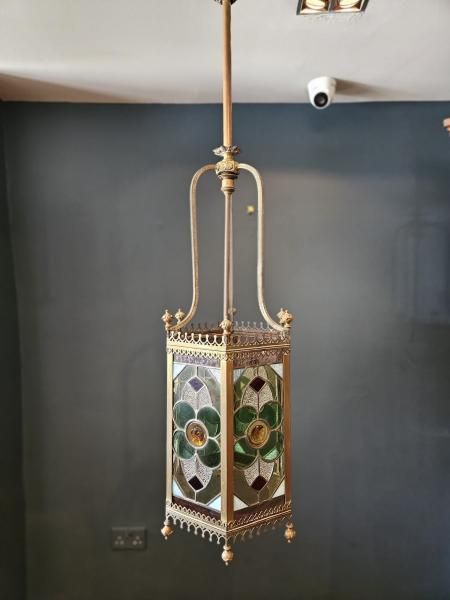
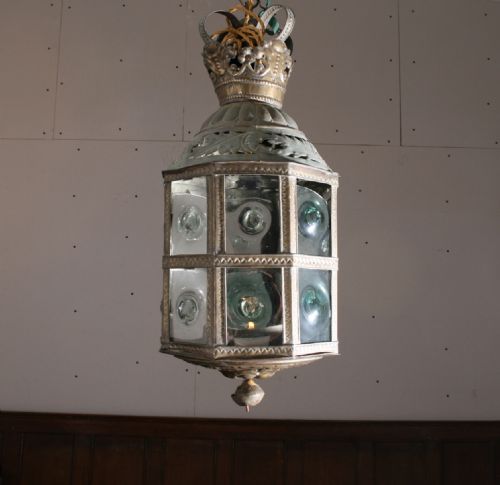
Panels utilise leaded glass, stained glass, or hand-blown bullseye glass, secured firmly into metal channels. Some variants incorporate specialised details such as leaded joints, hand-stitched leather, and vellum.
Keep an eye out for unexpected Irish shamrock motifs tucked into late nineteenth-century porch lights.
Assessing quality in hanging lanterns
Quality rests in the weight of the metalwork, the complexity of the frame geometry, and the integrity of the soldered or riveted joints. Heavier cast brass and hand-forged wrought iron distinguish substantial fixtures from lighter production pieces.
The refinement of the glass panels and hardware, such as operational access doors and detailed surface chasing, elevates a standard utility light to an architectural centrepiece.
The Gothic Hanging Pendant Light Glossary
- Leaded glass
- Small panes of glass held together by strips of lead cames, forming geometric or pictorial patterns within the lantern frame. This technique originated in medieval stained glass windows.
- Bullseye glass
- Circular blown glass panes featuring a prominent central pontil scar where the glassblower's pipe was detached. They add distorted texture and opacity to lantern sides.
- Hall lantern
- An enclosed ceiling-hung light fixture designed primarily for entrance halls, corridors, and porches. They protect the light source from drafts.
- Wrought iron
- Iron beaten and shaped by hand while hot, yielding a fibrous texture and organic irregularities. It provides structural strength for heavy hanging fixtures.
- Ecclesiastical
- Design styles and objects directly influenced by church architecture and furnishings. These pieces often feature pointed arches and quatrefoil motifs.
Gothic Hanging Pendant Light: Frequently Asked Questions
Where should I hang a gothic pendant light?
These fixtures suit high-ceilinged entrance halls, stairwells, and covered porches where their architectural silhouette and enclosed frames command attention. Their downward illumination and substantial drop require adequate vertical clearance.
Ensure the hanging height allows comfortable passage underneath while positioning the light to illuminate dark transitional spaces effectively.
Are these lanterns suitable for outdoor use?
Many examples originated as porch lights or exterior lanterns designed to withstand the elements, constructed from durable copper, bronze, and iron. However, antique wiring and weathered seals require professional inspection before exterior installation.
Weathered metal finishes and old glass add character, but rewiring is essential for safe operation outdoors or in damp environments.
How do I distinguish Victorian from Edwardian gothic lights?
Victorian gothic designs tend to be heavier, employing dark cast iron, dense brass, and rich ecclesiastical detailing inspired by medieval revivalism. Edwardian pieces often lighten the form, showing the influence of the Arts and Crafts movement with cleaner lines and hammered copper.
Examining the metal patina, construction joints, and associated design motifs helps clarify the decade of production.
Can antique hanging lights be rewired for modern bulbs?
Most antique pendant lights accommodate modern electrical wiring and standard bulb fittings with minor, reversible adaptations by a qualified electrician. Original sockets are often replaced for safety while preserving the exterior metal and glass.
Retaining the original chain, canopy, and frame ensures the historic appearance remains intact alongside safe contemporary electrical components.