




Gothic Brass Hanging Lantern
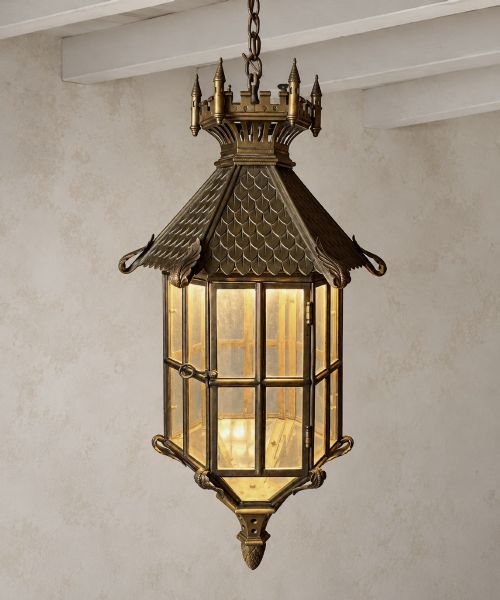
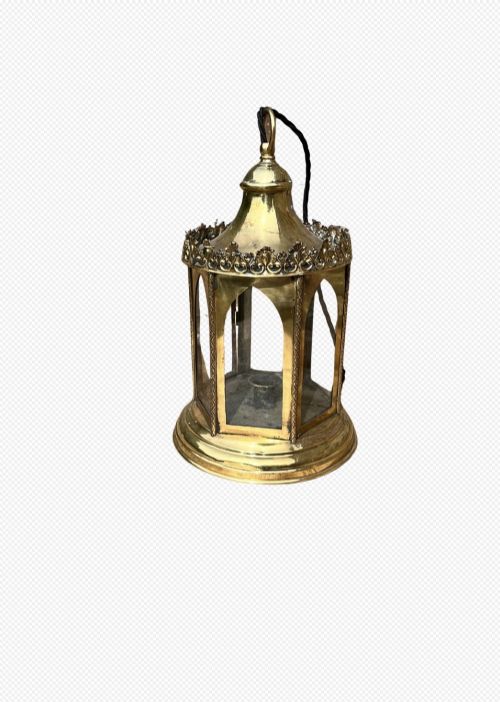
A gothic brass hanging lantern brings ecclesiastical weight and warm illumination into a domestic hallway or porch.
Gothic Brass Hanging Lantern
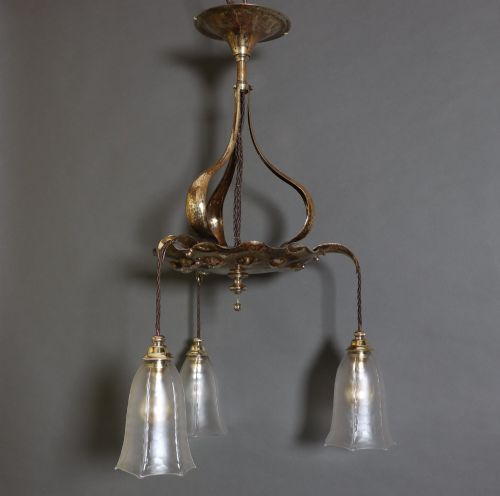
When you search for a gothic brass hanging lantern, you encounter ceiling and hall lights spanning the nineteenth and twentieth centuries, predominantly from Victorian and Arts and Crafts periods. These fixtures bring architectural character to hallways and porches, drawing on medieval ecclesiastical designs adapted for domestic interiors.
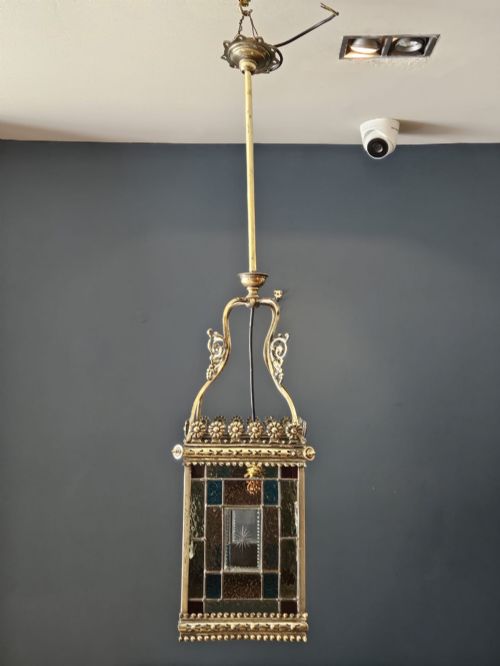
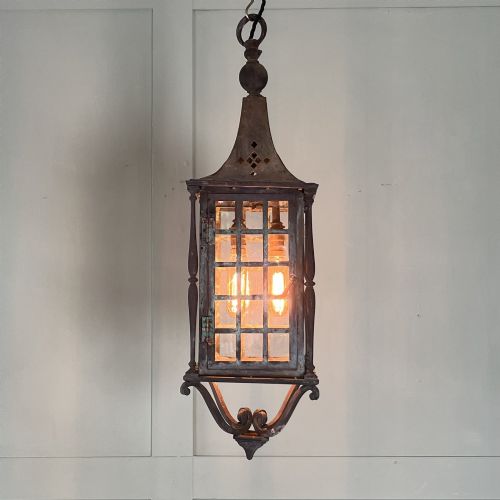
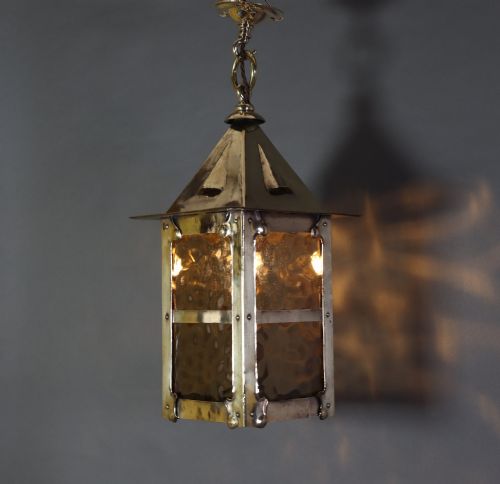
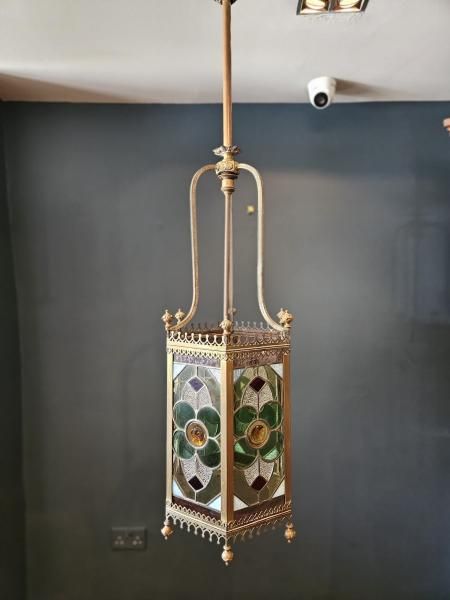
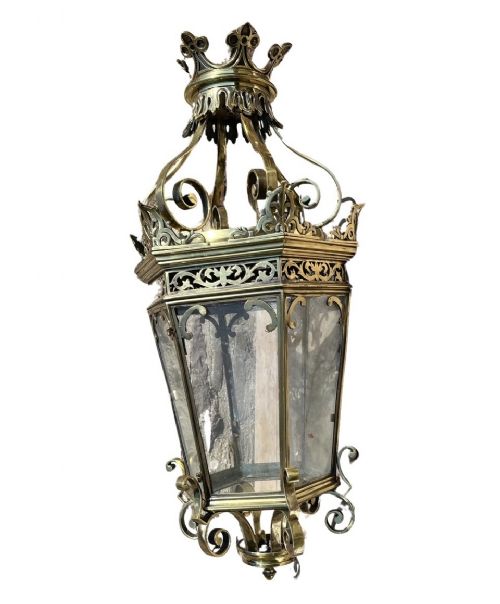
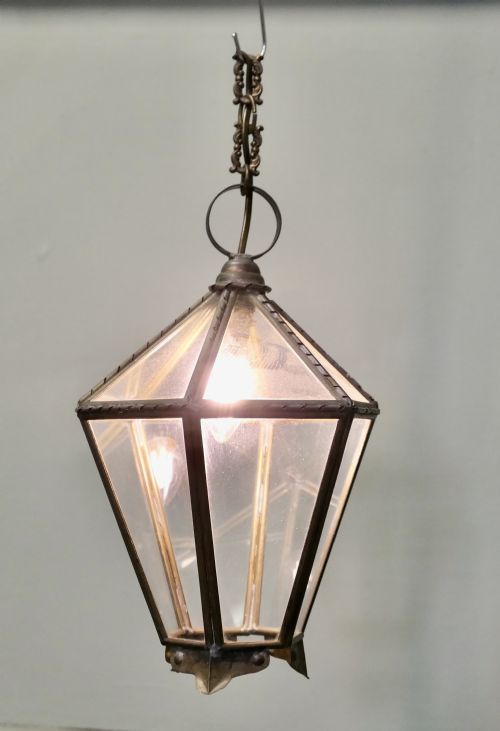
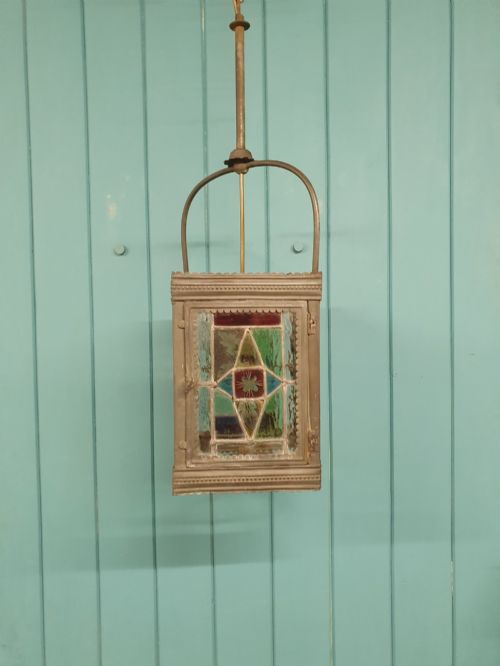
The pieces you meet most often on this page are hexagonal or square brass frames holding leaded, stained, or hand-blown glass panels. They range from simple domestic hall lights to grander hexagonal examples with doors and coloured glass inserts.
How they were made
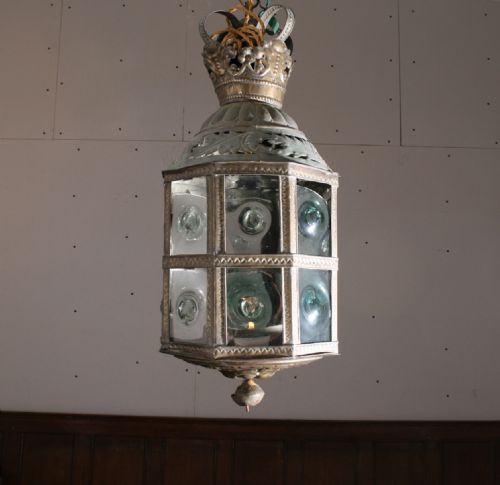
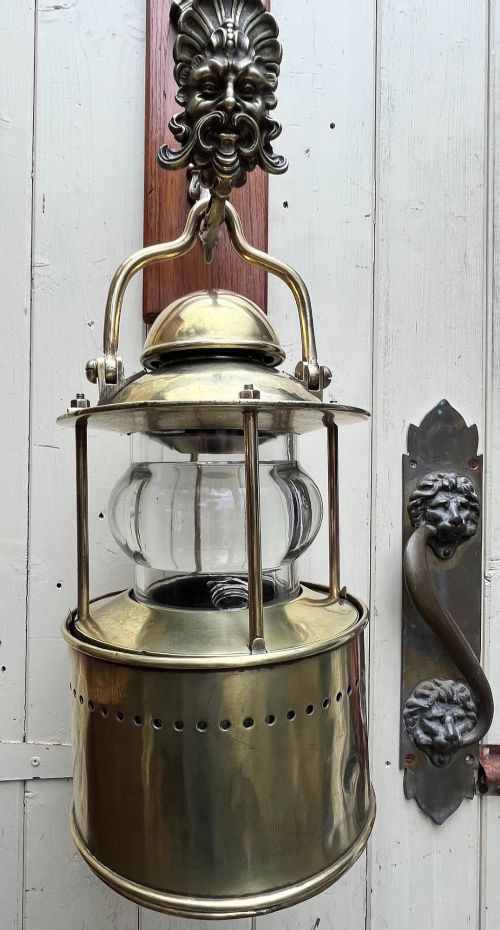
Makers constructed these lanterns using sheet and cast brass frameworks soldered or riveted together, often incorporating wrought iron elements for structural support. The metalwork holds panes of glass, which include leaded glass, hand-blown bulls-eye panels, and coloured or stained glass.
Some examples feature surface treatments such as gilding applied to the metalwork, whilst others rely on the natural finish of brass paired with textured or dimpled glass to diffuse the light.
Gothic Brass Hanging Lantern Retail Price Guide 2026
Typical asking prices for gothic brass hanging lantern among the pieces listed under this phrase on Sellingantiques today, from the lower quarter to the upper quarter. They describe what is for sale here now, not the wider market.
The selection includes ceiling lights, pendant lanterns, and wall-mounted fixtures of hexagonal and square forms.
What varies in quality
Quality in these lanterns rests upon the gauge of the brass, the complexity of the frame geometry, and the integrity of the glass panels. Heavier metalwork and hexagonal forms with opening doors represent a more substantial piece of construction than simpler single-pane boxes.
The artistry of the glasswork further distinguishes the range, particularly where leaded joints, stained glass, or hand-blown bulls-eye roundels are integrated into the design rather than plain flat panes.
The Gothic Brass Hanging Lantern Glossary
- Bulls-eye glass
- A thick disc of glass formed by the glassblower's pontil, leaving a distinct circular lump in the centre that distorts light.
- Leaded glass
- Individual panes of glass held together by strips of lead came, creating patterned windows typical of ecclesiastical and revival architecture.
- Gothic Revival
- An architectural and decorative style drawing inspiration from medieval forms, pointed arches, and heavy structural framing.
Gothic Brass Hanging Lantern: Frequently Asked Questions
How do I hang a heavy brass lantern?
These lanterns require secure ceiling fixings screwed directly into joists or solid masonry rather than plaster alone. Due to their brass and glass weight, use matching metal chain and ceiling hooks rated for the specific load.
Ensure any electrical wiring is checked by a qualified professional before suspension, as many period fittings require modern rewiring to meet safety standards.
Where should I place a hall lantern?
Hall lanterns suit entranceways, corridors, and high-ceilinged porches where their architectural silhouette can be appreciated from multiple angles. They provide welcoming overhead illumination in transitional spaces.
Keep the lower edge of the lantern high enough to clear tall heads and opening doors, whilst positioning it low enough to cast light effectively across the floor.
How do I clean brass and glass?
Dust the brass framework regularly with a soft, dry cloth to prevent the buildup of grime in decorative crevices. Avoid abrasive metal polishes that strip historic patination from the surface.
Wash glass panels carefully using a mild detergent and water applied to a cloth, taking care not to wet old solder joints or lead cames excessively.