


Gothic Arch Carved Wood
These gothic arch carved wood pieces bring medieval architectural drama straight into domestic rooms through pointed outlines and deft timber work.
Gothic Arch Carved Wood
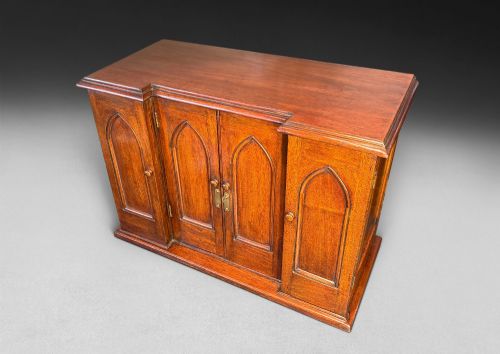
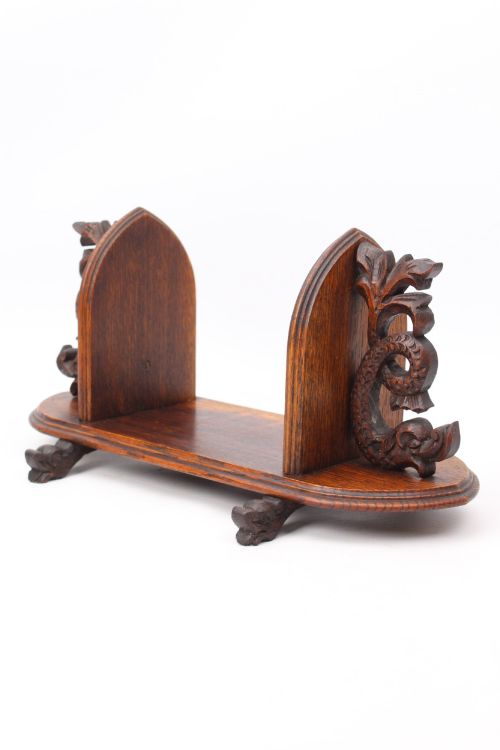
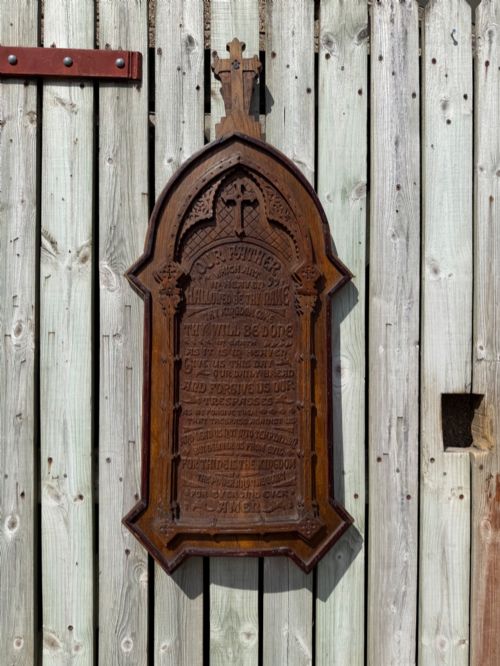
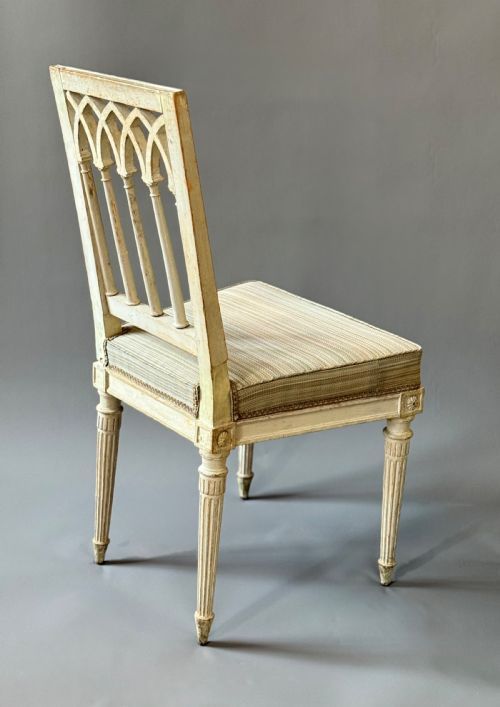
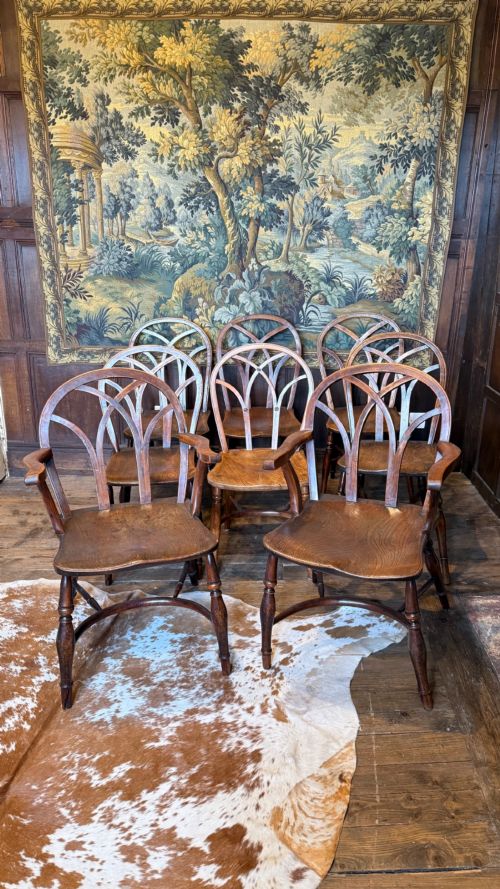
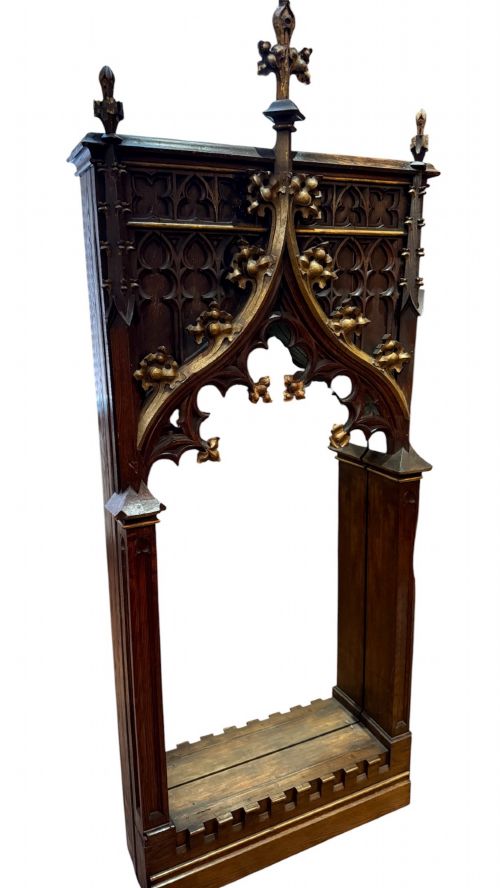
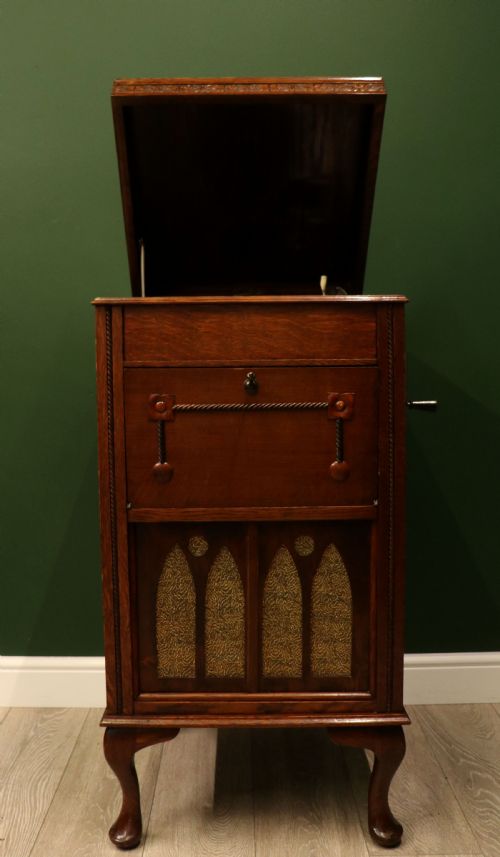
When you search for gothic arch carved wood, you encounter architectural elements like panels alongside furniture such as cabinets, chairs, and mirrors shaped by the revival movements.
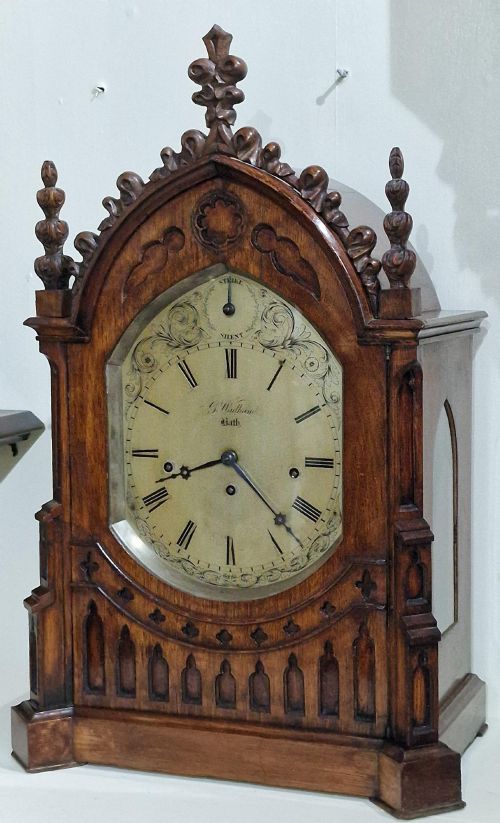
The pieces on this page span from the eighteenth century through the nineteenth century, taking forms like oak wall panels, mahogany bookcases, and bracket clocks.
You are most likely to meet nineteenth-century oak and mahogany interpretations, reflecting the Victorian enthusiasm for pointed arches and ecclesiastical motifs in everyday furnishings.
How they were made
Timbers such as oak and mahogany provide the structural foundation for these carved items, worked by hand with chisels to form pointed arches and tracery.
Gesso and painted finishes sometimes coat the wooden surfaces, adding decorative texture or colour as seen on eighteenth-century side chairs.
Makers integrated brass fixtures and glass panels into functional objects like bracket clocks, cabinets, and swing mirrors.
The selection includes functional objects such as bracket clocks, wardrobes, mirrors, and side chairs.
What varies in quality
The depth and crispness of the timber carving dictate the visual impact, separating sharp architectural panels from softer, worn mouldings.
Timber selection plays a major role, with dense native oak or figured mahogany offering greater durability and richer grain than painted or secondary woods.
George Wadham Bath·U Phone of Leeds·Edwards Of London
The Gothic Arch Carved Wood Glossary
- Gothic Revival
- An architectural and decorative style that draws inspiration from medieval design, featuring pointed arches, trefoils, and heavy timber construction.
- Tracery
- Openwork stonework or woodwork supporting glass in a window or applied decoratively to panels and furniture fronts.
- Fusee
- A conical pulley used in clockmaking to ensure even tension from the mainspring as it unwinds, found in bracket clocks.
- Gesso
- A plaster-like mixture applied to wood surfaces to prepare them for painting or gilding.
Gothic Arch Carved Wood: Frequently Asked Questions
How do I date a carved wooden panel?
Examine the tool marks left on the reverse and edges of the timber, as hand-adzed boards differ significantly from later machine-sawn timber.
The style of the carving and the construction joints also help narrow down the period of manufacture.
Were these architectural elements or furniture?
Many items began life as structural components of buildings, such as wall panels or overmantels, before being repurposed or mounted for display.
Other pieces were constructed specifically as furniture or clocks in the gothic taste from the outset.
How should I care for antique oak?
Keep wooden pieces away from direct heat sources and sudden humidity changes to prevent the timber from splitting or warping.
Feed the surface occasionally with appropriate wax to maintain the natural sheen of the wood.
What is a bracket clock?
Bracket clocks are portable clocks originally designed to sit on a wall bracket or a table.
Many examples from this selection feature complex movements like triple fusee mechanisms housed in architectural wooden cases.