



Golden Wood Wall Art
Golden wood wall art brings together centuries of painted panels, framed maps, and canvas works enclosed within gilt and timber frames.
Golden Wood Wall Art
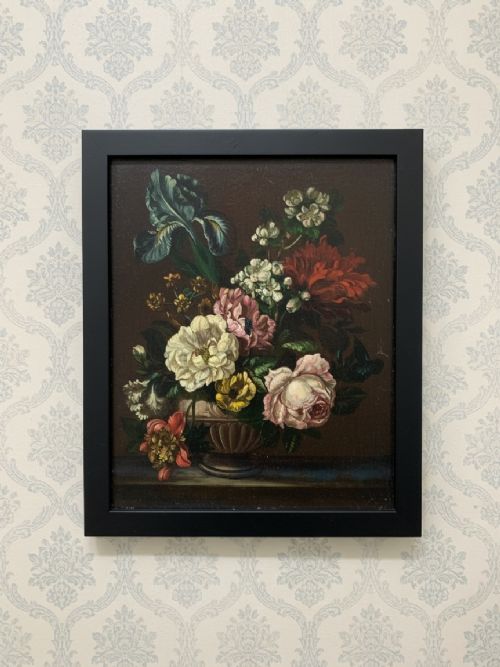
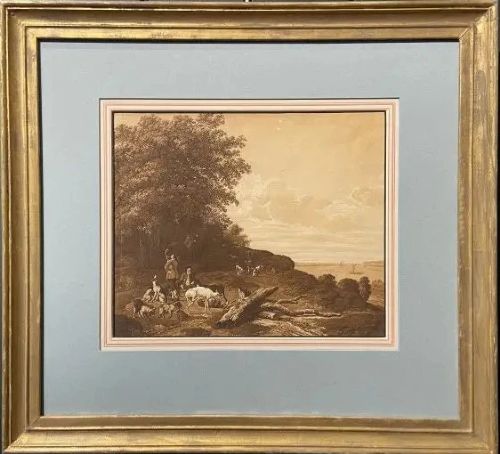
When buyers search for golden wood wall art, they encounter framed oil paintings and cartography originating from the seventeenth century through to the nineteenth century. These pieces combine painted or printed imagery with timber framing and gold leaf ornamentation, creating decorative focal points for vertical surfaces.
The selection centres on European works, notably Dutch school paintings and Georgian cartography. Buyers frequently meet framed maps from the seventeenth and eighteenth centuries alongside landscape and portrait oil paintings.
Formats range from intimate panel paintings to larger canvas works and detailed maps of English and Welsh counties. Each piece retains historical character through its original or period framing materials.
Materials and construction
Makers applied oil paint to wooden panels and canvas supports, utilising techniques established during the Dutch Golden Age and subsequent periods. Pigments captured fine details in landscapes, portraits, and domestic scenes.
Cartographers produced engraved maps on paper, which were subsequently framed within timber mouldings. Gilding and gold leaf were applied to wood frames to highlight decorative profiles and complement the artwork within.
Golden Wood Wall Art Retail Price Guide 2026
Typical asking prices for golden wood wall art among the pieces listed under this phrase on Sellingantiques today, from the lower quarter to the upper quarter. They describe what is for sale here now, not the wider market.
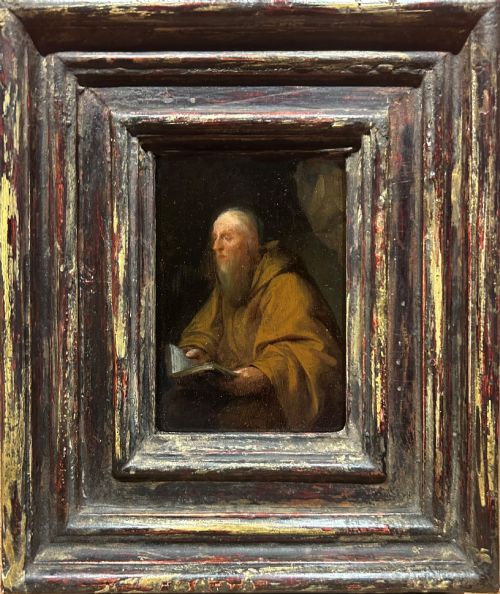
Merry drinkers and reading hermits peer out from behind seventeenth century timber frames.
Distinctions in quality
Quality rests in the execution of the painted surface and the integrity of the frame. Finer works display accomplished brushwork in oil paint or precise lines in engraved cartography.
The relationship between the artwork and its surrounding wood and gold leaf housing influences the overall character. Original gilding and period timber frames that complement the age of the piece elevate the object.
Johannes Lingelbach·Jan van Staveren·Janssonius·Nicolaes Maes·Jan Steen
The Golden Wood Wall Art Glossary
- Oil on panel
- A painting executed with pigment suspended in oil on a prepared wooden board. This surface provides a stable and rigid support seen in early works.
- Cartography
- The study and practice of making maps. Antique examples often feature hand-coloured details and decorative borders.
- Gilt
- Covered thinly with gold leaf or gold paint. This finish enhances the decorative impact of wooden frames.
- Dutch Golden Age
- A period in Dutch history spanning the seventeenth century noted for exceptional achievements in painting. Works from this tradition often depict landscapes and portraits.
Golden Wood Wall Art: Frequently Asked Questions
What periods do these pieces span?
The selection covers items created from the seventeenth century through the nineteenth century, including Georgian era cartography.
Examples range from sixteen-sixty map production to nineteenth century marine and landscape oil paintings.
How should I hang framed art?
Ensure wall fixings match the weight of the timber frame and panel or canvas support. Consider eye level placement in rooms with stable environmental conditions.
Keep pieces away from direct sunlight and moisture sources to protect the wood, paper, and oil paint.
What subjects appear in the paintings?
Common subjects include mountainous landscapes, harbour views, and interior scenes with figures. Portraiture and still life compositions also feature.
Maps depict English and Welsh counties as well as Ireland, produced by European cartographers.
Are the frames original?
Frames consist of period timber mouldings finished with gold leaf or gilt. They reflect the framing traditions associated with each century.
Inspect the joinery and surface wear of the wood to understand the history of the housing.