



Golden Frame Portrait
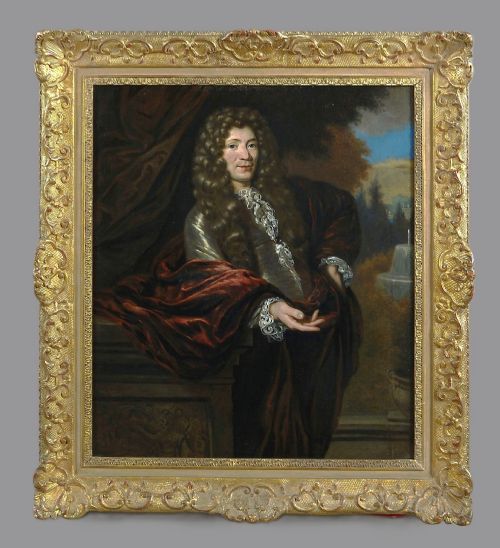
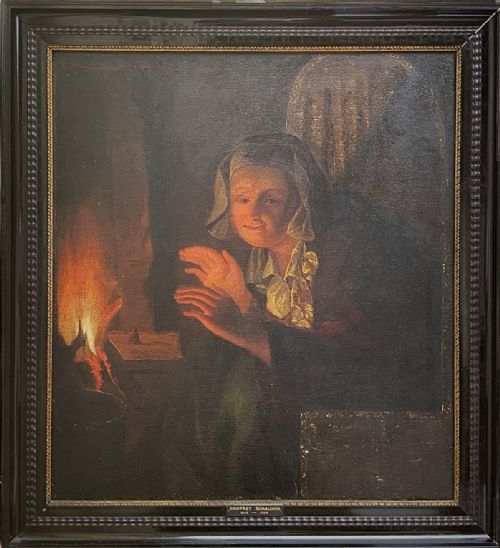
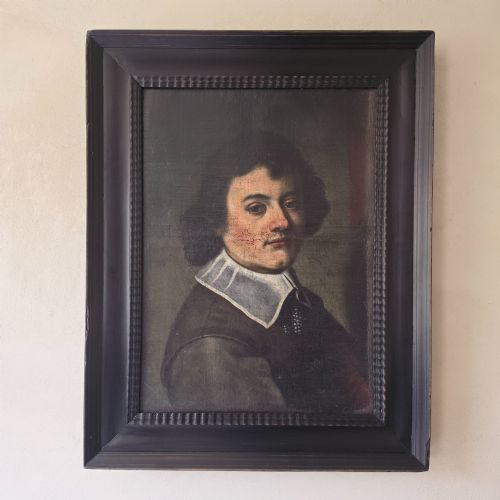
A golden frame portrait brings the rich character and shadowed depth of seventeenth-century European painting directly into a modern room.
Golden Frame Portrait
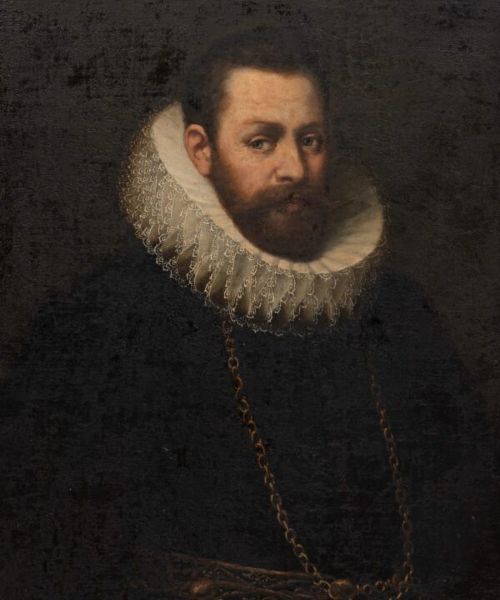
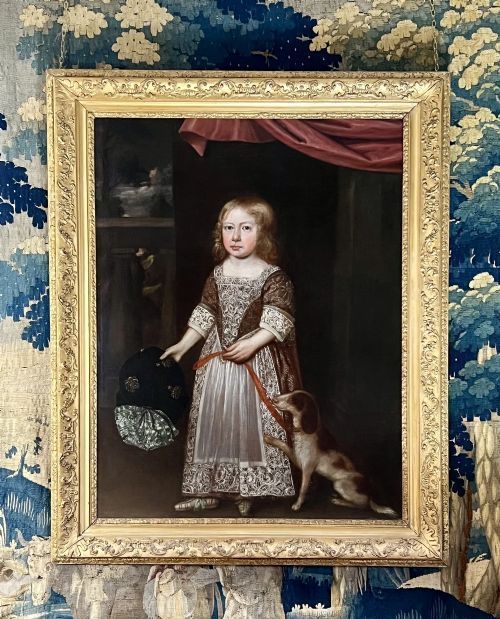
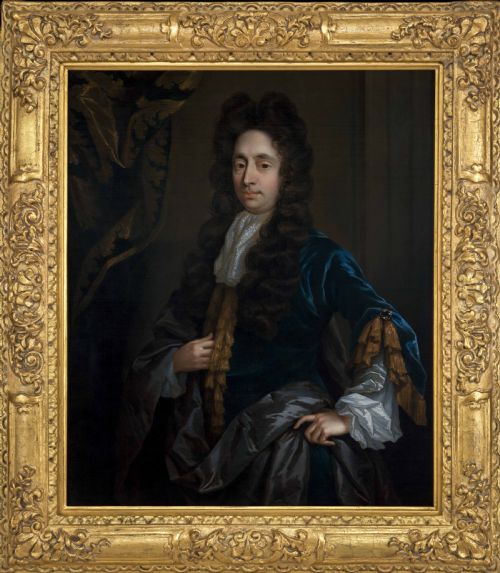
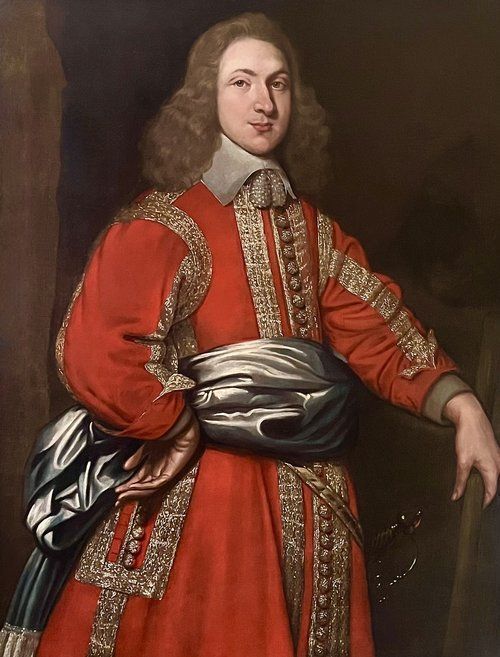
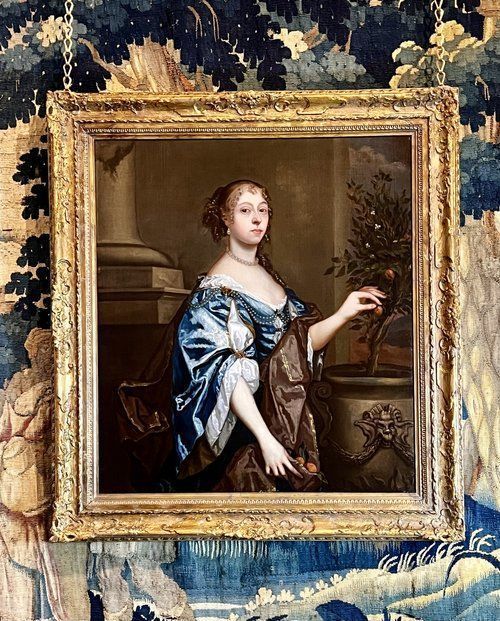
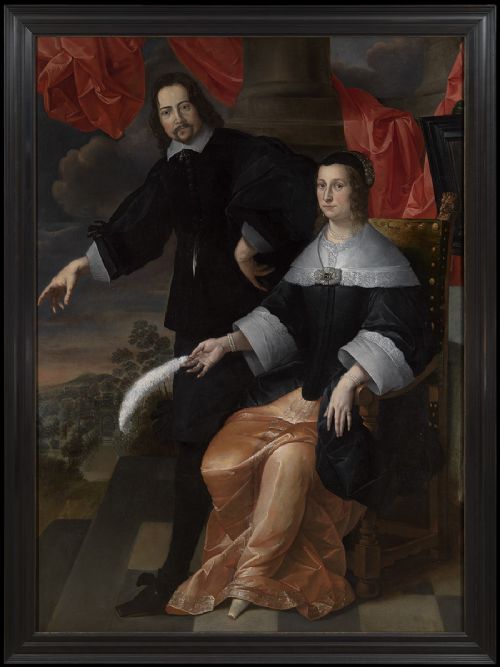
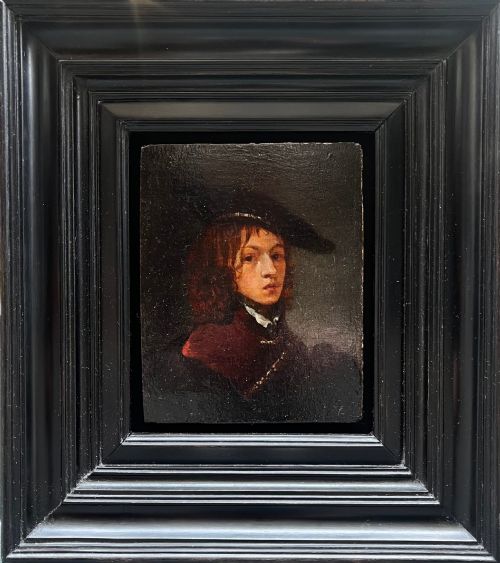
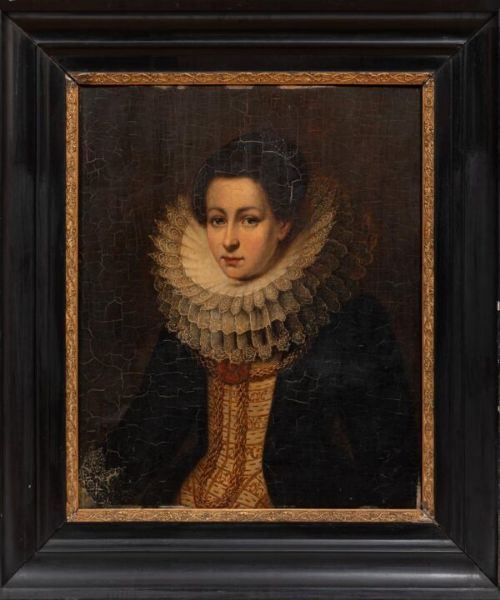
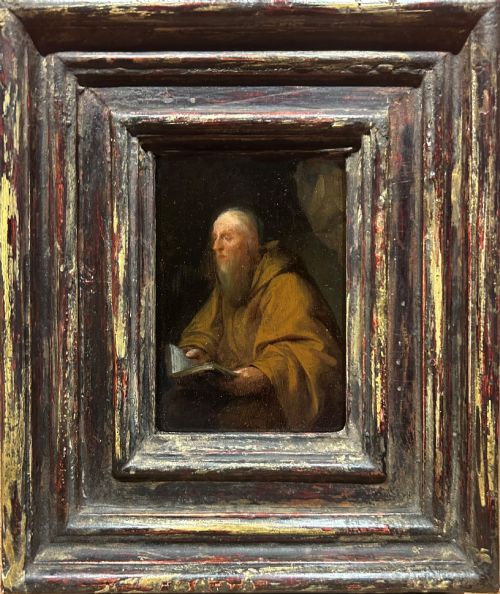
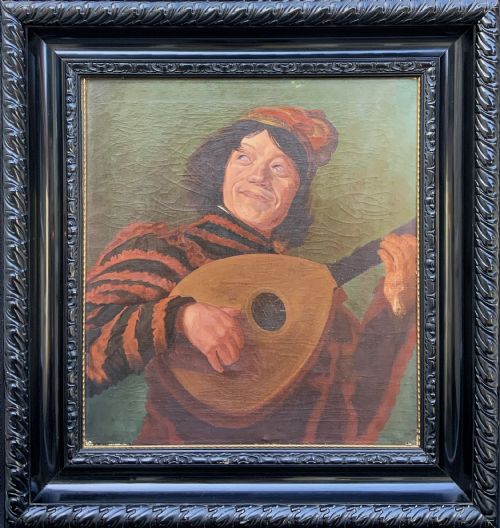
A golden frame portrait encompasses historic oil paintings on canvas alongside traditional wooden surrounds, heavily rooted in seventeenth-century Dutch and Flemish schools. Buyers seeking this aesthetic encounter depictions of noblemen, military officers, and elegant ladies framed in gleaming giltwood.
Subjects wear intricate ruff collars, blue coats, and white satin dresses, anchoring the historic weight of the genre. These oil paintings offer a tangible connection to European portraiture traditions spanning several centuries.
Materials and construction
These works rely on oil paint applied to canvas, wood, or copper panels, capturing rich tones and subtle facial lighting. Artists built depth through layered pigments, while workshops fashioned supportive structures from timber.
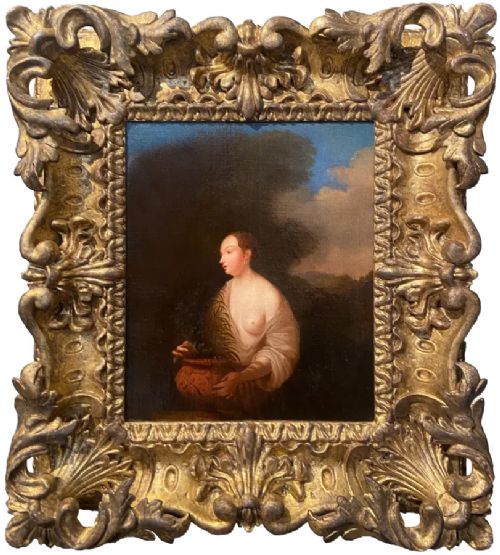
Surrounding surrounds utilise giltwood and gold leaf applied to wood bases, creating the characteristic luminous borders. Enamel painting on copper and vinyl canvas alternatives also appear among the listed techniques.
Golden Frame Portrait Retail Price Guide 2026
Typical asking prices for golden frame portrait among the pieces listed under this phrase on Sellingantiques today, from the lower quarter to the upper quarter. They describe what is for sale here now, not the wider market.
Several noblemen and a dedicated dog portrait compete for wall space.
Distinctions in quality
Quality rests in the handling of facial expression, fabric drape, and the preservation of the underlying canvas or panel. Superior pieces display confident brushwork that captures the psychological weight of the sitter rather than relying on stiff mechanical reproduction.
The relationship between the painting and its housing matters significantly, as original or period-matching giltwood frames elevate the integrity of the piece. Craftsmanship in the gilding and the stability of the wooden support separate masterworks from routine studio copies.
Constantyn Netscher·Pieter Borsseler·Bartholomeus van der Helst·Toussaint Gelton·Jan van Staveren·Frans Hals·Godfried Schalcken·Nicolaes Maes·Cornelis Van Der Voort·Ludolf de Jongh·Pieter Nason·Geza Vastagh
The Golden Frame Portrait Glossary
- Giltwood
- Wood carved and coated with gold leaf or a gold-coloured finish. This material defines the ornate borders typical of historic picture frames.
- Ruff collar
- A voluminous, pleated neck collar worn in European fashion during the sixteenth and seventeenth centuries. These stiffened accessories frequently appear in Dutch School portraiture.
- Oil on canvas
- Pigment mixed with drying oil applied to a stretched woven fabric support. This combination forms the primary medium for the historic paintings found in this category.
- Dutch Golden Age
- A period in Dutch history spanning the seventeenth century noted for exceptional achievements in painting. Artists from this era established enduring standards for portraiture and interior scenes.
- Old Master
- A European painter of skill who worked before about eighteen hundred. These historic artists form the stylistic backbone of the traditional portraits collected today.
Golden Frame Portrait: Frequently Asked Questions
Are these portraits original seventeenth-century works?
The listings include both authentic seventeenth-century paintings and later nineteenth-century interpretations created in historical styles.
Buyers should examine the specific attribution and period notes provided for each individual listing to determine its exact age.
How do I hang a heavy giltwood frame?
Historic frames carry substantial weight due to their dense wooden construction and heavy gilding.
Secure the hanging wire or D-rings directly into wall studs using appropriate hardware rated for heavy loads.
What is the Dutch School style?
The Dutch School encompasses artists working in the Netherlands during the seventeenth century who focused on realism, dramatic lighting, and detailed textures.
These works often feature subdued backgrounds that push the lit subject forward.
How should I care for an oil painting?
Keep oil paintings away from direct sunlight and dramatic shifts in temperature or humidity to protect the canvas and pigments.
Dust the surface very gently with a soft, dry brush without applying pressure to the paint layer.