



Golden Brown Glazed Cabinet
These golden brown glazed cabinet pieces bring warmth and refined storage to a room through rich timbers and glass fronts.
Golden Brown Glazed Cabinet
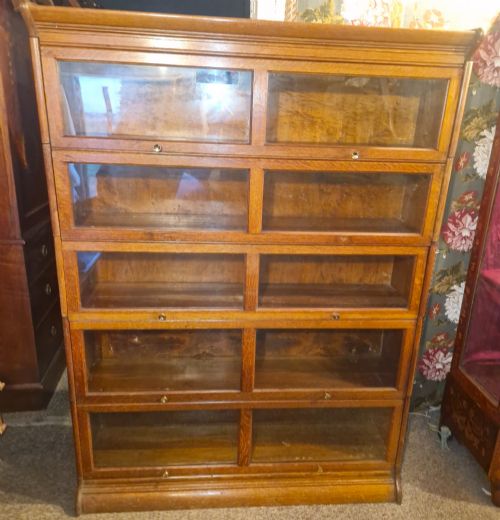
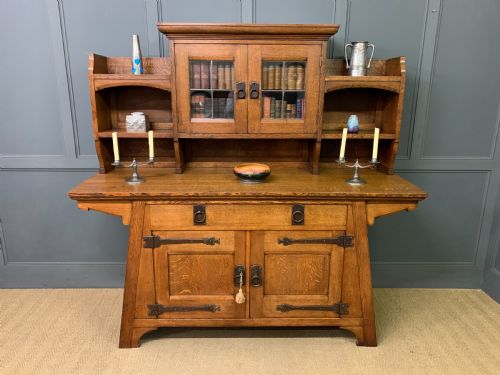
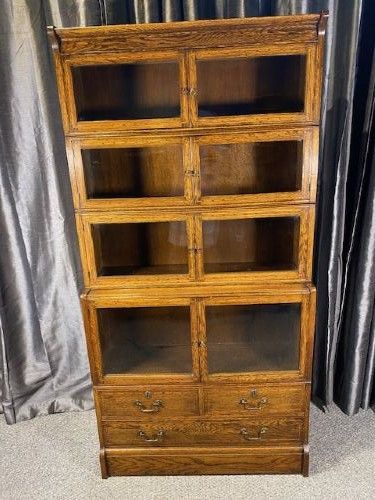
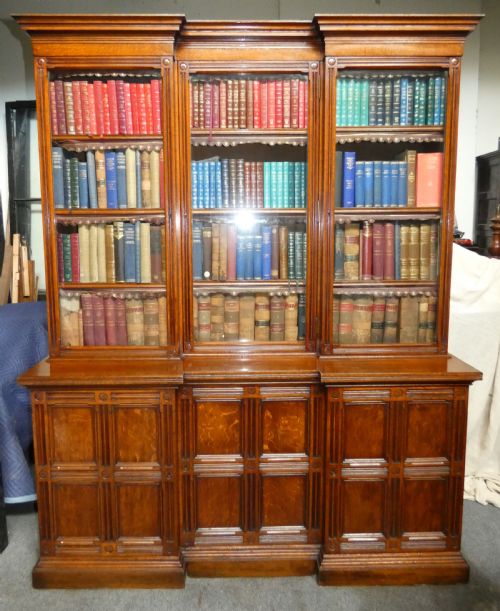
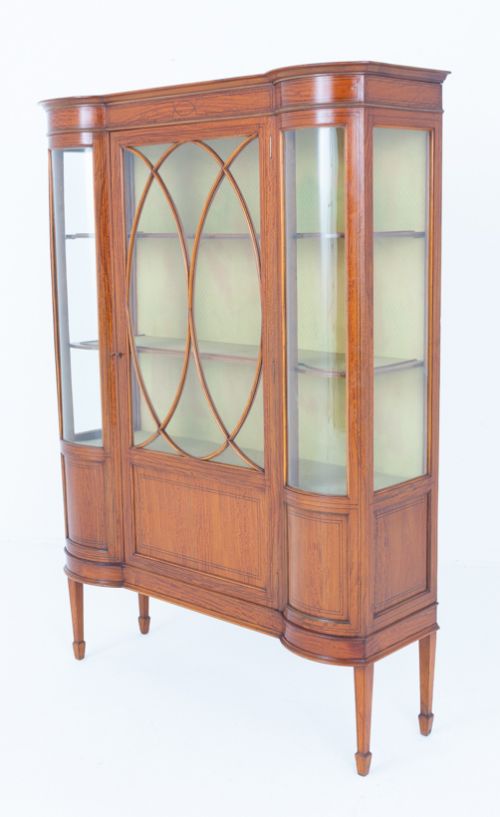
A golden brown glazed cabinet encompasses practical display furniture designed with transparent doors to showcase books, china or curiosities. When searching for a golden brown glazed cabinet, buyers encounter varied forms spanning display cabinets, bookcases, credenzas, sideboards and kitchen dressers.
The pieces on this page originate from distinct eras, primarily taking shape through Victorian, Edwardian, Sheraton Revival, Art Deco, Gothic Revival and French Louis XV Revival designs. Oak, burr walnut and satinwood predominate, offering those warm honey and amber tones that define the group.
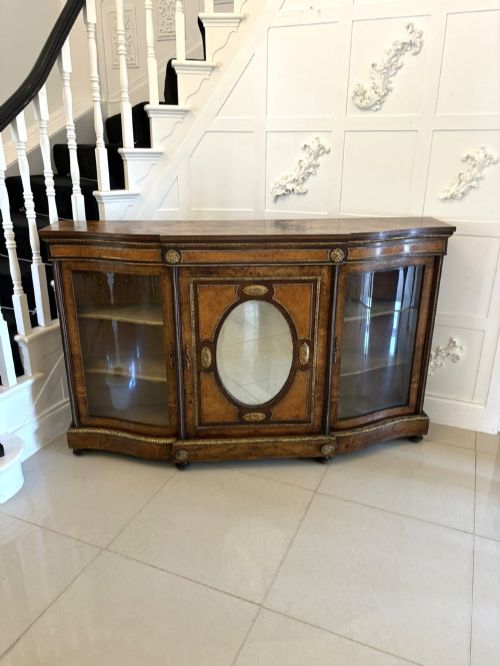
Examples range from compact shop fittings and bookcases to large credenzas and sideboards with brass or ormolu mounts. Each iteration provides enclosed shelving behind glass, balancing utility with the decorative grain of timber.
Materials and construction methods
Cabinetmakers utilised durable hardwoods such as oak, kingwood and pollard oak alongside highly figured decorative veneers like burr walnut and satinwood. These timbers provide the structural integrity and deep golden brown palette characteristic of the group.
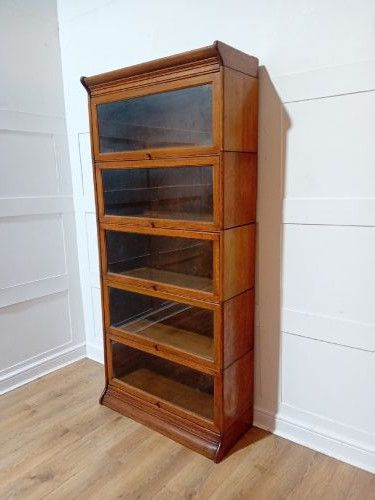
Glazing forms the central visual element, framed by timber and occasionally enhanced with brass or ormolu mounts, mirror panels and painted details. Joinery techniques varied from traditional cabinetry to sectional stacking systems in later bookcase designs.
Golden Brown Glazed Cabinet Retail Price Guide 2026
Typical asking prices for golden brown glazed cabinet among the pieces listed under this phrase on Sellingantiques today, from the lower quarter to the upper quarter. They describe what is for sale here now, not the wider market.
Listings feature oak, burr walnut, satinwood and pollard oak across Victorian, Art Deco and Edwardian periods.
Distinctions in quality
Quality rests upon the selection and matching of timber veneers, where finely figured burr walnut or satinwood elevates a piece beyond plain timber construction. The crispness of carved details, such as those found in Gothic revival or Sheraton Revival examples, marks the hand of a skilled maker.
Hardware and metalwork also distinguish finer examples, particularly where cast ormolu mounts, brass fittings and integrated mirrors complement the woodwork. The stability of the glass framing and the precision of door alignment indicate superior workshop execution.
The Golden Brown Glazed Cabinet Glossary
- Credenza
- A sideboard or display cabinet, often featuring central glass-fronted sections flanked by cupboards, frequently associated with Victorian walnut designs.
- Ormolu
- Gilded bronze applied as decorative mounts to furniture, adding metallic contrast to wooden surfaces.
- Burr walnut
- Timber taken from the warted growths of walnut trees, yielding intricate, swirling grain patterns highly prized in cabinetmaking.
- Satinwood
- A durable, lustrous hardwood with a yellowish-golden sheen, often utilised in Sheraton Revival pieces for delicate veneer work.
- Pollard oak
- Oak timber derived from pollarded trees, producing densely clustered knots and complex grain formations visible in Gothic revival pieces.
Golden Brown Glazed Cabinet: Frequently Asked Questions
Where should I place a golden brown glazed cabinet?
These cabinets suit living rooms, dining spaces or studies where books and decorative objects benefit from dust-free display. Positioning them away from direct sunlight preserves the rich tones of the walnut, oak and satinwood veneers.
Ensure adequate floor space to accommodate the depth of larger credenzas or sideboards, allowing doors to swing open fully without obstruction.
How do I identify the period of a glazed cabinet?
Dating relies upon stylistic markers, such as the symmetrical inlay of Sheraton Revival pieces, the heavy tracery of Gothic revival, or the streamlined geometry of Art Deco.
Materials also offer clues, as specific veneers and the use of brass, ormolu or mirror glass align closely with nineteenth and early twentieth-century manufacturing trends.
How do I care for wooden cabinets with glass doors?
Dust timber surfaces regularly with a soft cloth and apply appropriate furniture wax sparingly to maintain the lustre of the grain. Avoid chemical sprays that might damage antique finishes.
Clean the glass panes with a mild glass cleaner applied to a cloth rather than directly onto the glass, preventing moisture from seeping into the wooden frames.
What is the difference between a bookcase and a display cabinet?
Bookcases generally feature open shelving or wooden-framed glass doors tailored for storing volumes, sometimes utilising modular stacking sections as seen in early twentieth-century designs.
Display cabinets focus on visibility, frequently incorporating glass sides and mirrored backs to showcase porcelain, glassware and smaller collectibles from all angles.