

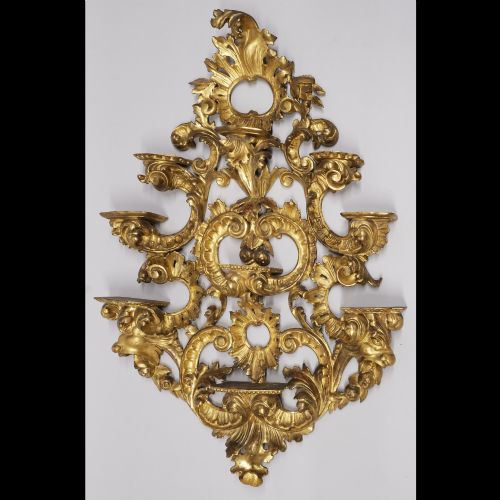


Gold Wood Shelf
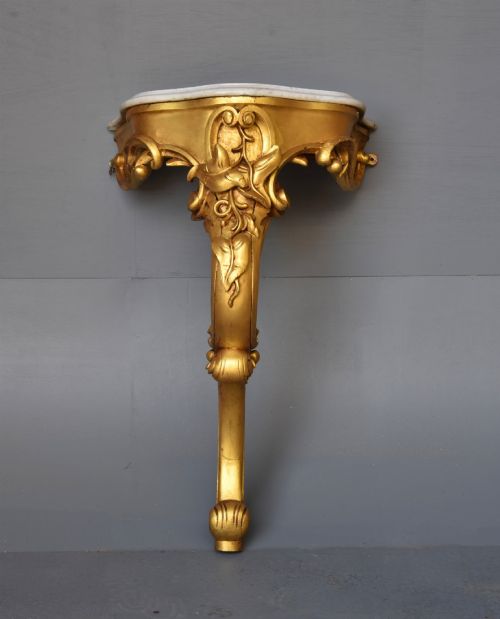
These gold wood shelf pieces deliver architectural presence and gleaming display space, spanning ornate console tables and carved brackets.
Gold Wood Shelf
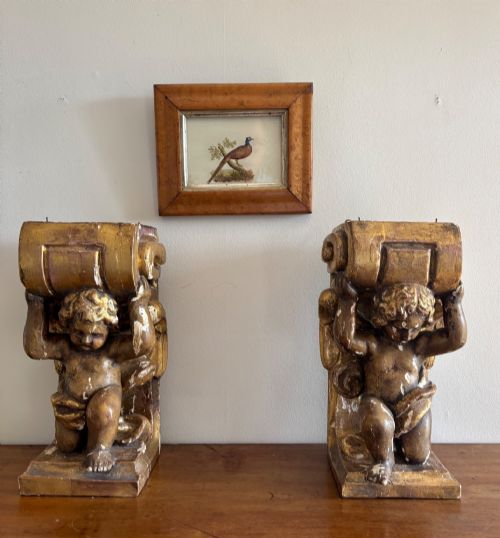
A gold wood shelf encompasses everything from small 19th-century carved giltwood wall brackets to console tables and mirrored display shelves. Buyers search for these items to introduce gilded warmth and functional surface area to interior walls.
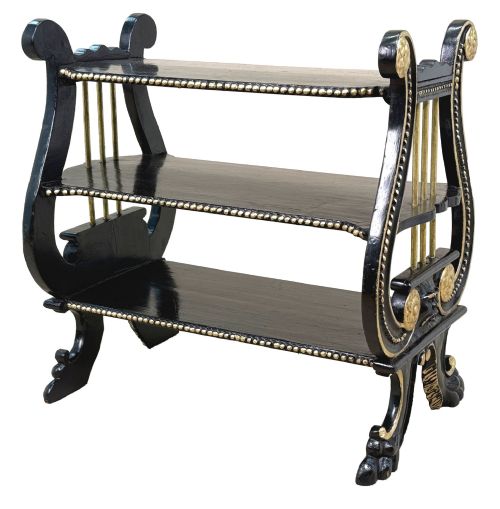
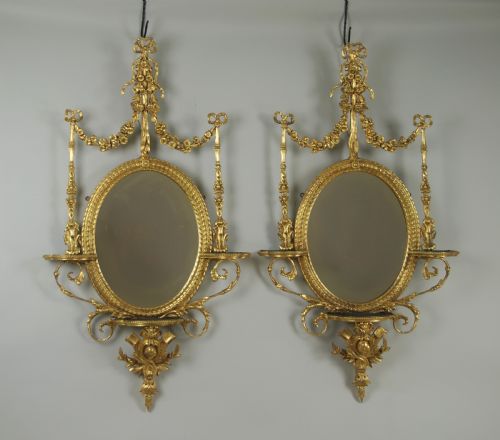
The pieces on this page lean heavily towards the 19th century and Victorian eras, alongside 18th-century Italian examples. You will frequently encounter wall brackets, étagères, and overmantel mirrors fitted with practical display ledges.
Forms range from compact single brackets designed for small ornaments to grander console tables topped with marble. Each variant combines structural timber with reflective gilding to catch the light.
Materials and construction methods
Carved wood provides the primary structural foundation for these pieces, often shaped into elaborate Rococo Revival or Neoclassical motifs. Artisans applied gesso over the timber base to create a smooth surface for subsequent decoration.
Gold leaf and giltwood finishes dominate the material record, creating a brilliant metallic sheen across the carved surfaces. Ebonised wood and parcel gilding also appear, offering a dramatic contrast between dark timber and bright gold accents.
Gold Wood Shelf Retail Price Guide 2026
Typical asking prices for gold wood shelf among the pieces listed under this phrase on Sellingantiques today, from the lower quarter to the upper quarter. They describe what is for sale here now, not the wider market.
Listings feature items spanning the 18th, 19th, and early 20th centuries, utilising materials such as amboyna, marble, ebonised wood, and gesso.
Distinguishing quality in gilded shelving
Depth and crispness of the wood carving dictate the visual impact of each bracket or console. Superior examples display sharply defined acanthus leaves and scrolls rather than soft, mass-produced contours.
The application of the gold leaf or gesso finish plays a vital role in longevity and appearance. Hand-applied leaf shows subtle variations in texture and warmth that flat modern paints cannot replicate.
The Gold Wood Shelf Glossary
- Giltwood
- Wood that has been coated with gold leaf or gold paint. This technique protects the underlying timber while delivering a luxurious metallic finish.
- Gesso
- A plaster-like mixture applied to wood surfaces as a base for gilding or painting. It creates a smooth, flawless foundation for intricate carving details.
- Étagère
- A piece of furniture consisting of a set of open shelves for displaying small objects or ornaments. These often feature delicate wood construction and mirrored backs.
- Console table
- A table fixed to a wall with legs in front, frequently paired with a matching wall mirror. They serve as narrow display surfaces in hallways and reception rooms.
- Wall bracket
- A projecting support fixed to a wall to hold a bust, clock, or porcelain figure. Giltwood versions combine structural utility with ornamental flourish.
Gold Wood Shelf: Frequently Asked Questions
Where should I hang a wall bracket?
Wall brackets work best in hallways, drawing rooms, or flanking fireplaces where they can hold small decorative objects or plants. Their projecting ledges draw the eye upward and utilise vertical wall space effectively.
Ensure the wall construction can support the weight of the timber and any displayed items, using appropriate fixings for older plaster walls.
What is the difference between a bracket and a console?
A wall bracket is a compact, self-contained shelf that fixes directly to the wall without floor support. It is designed specifically for corner or flat-wall display.
A console table stands on legs against the wall, often featuring a marble top and an integrated shelf underneath for larger surface storage.
How do I date a gilded shelf?
Examine the timber species, the preparation gesso beneath the gold, and the style of the carving. 18th-century pieces often display hand-cut joinery and heavy gesso layers, while Victorian items lean towards elaborate revival styles.
Tool marks on the backplates and the wear patterns on the gold leaf provide further clues to the manufacturing era.