

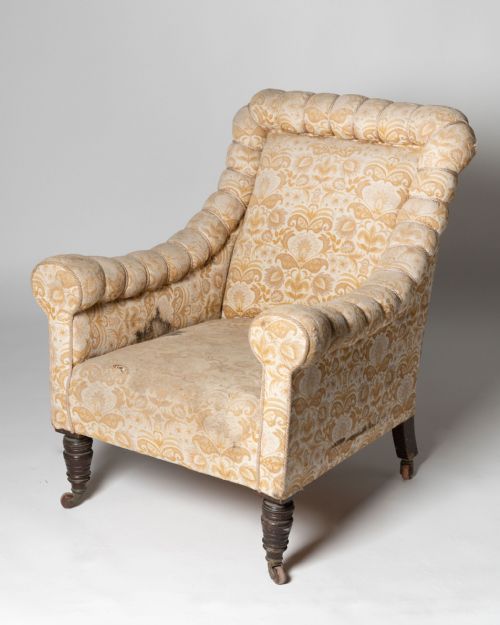
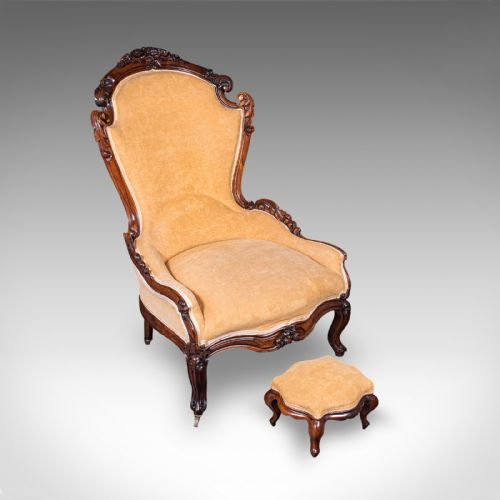
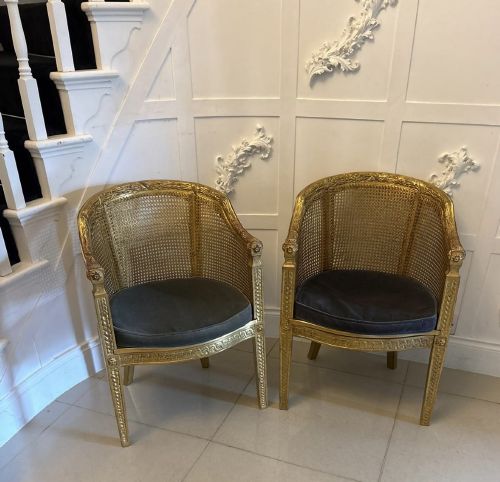
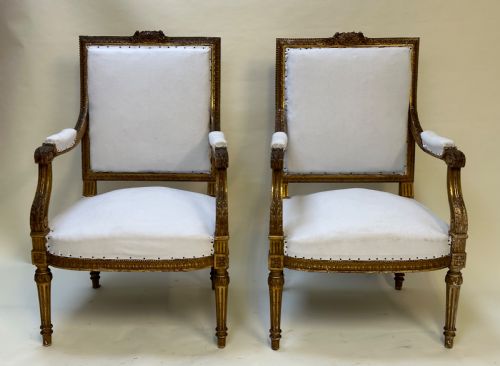
Gold Wood Chair
A gold wood chair brings warmth and carved detail into a room, offering both decorative presence and comfortable seating.
Gold Wood Chair
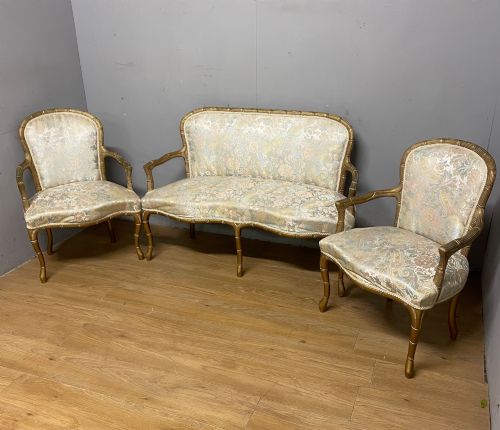
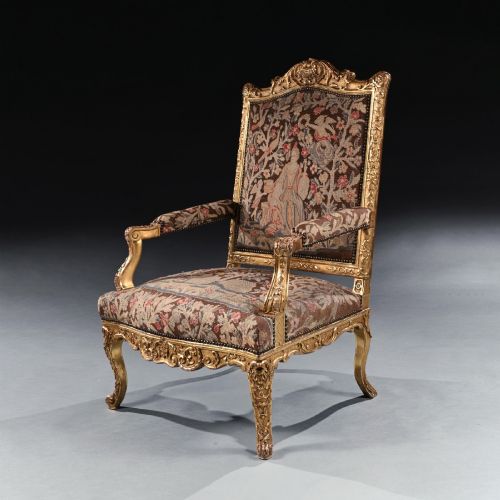
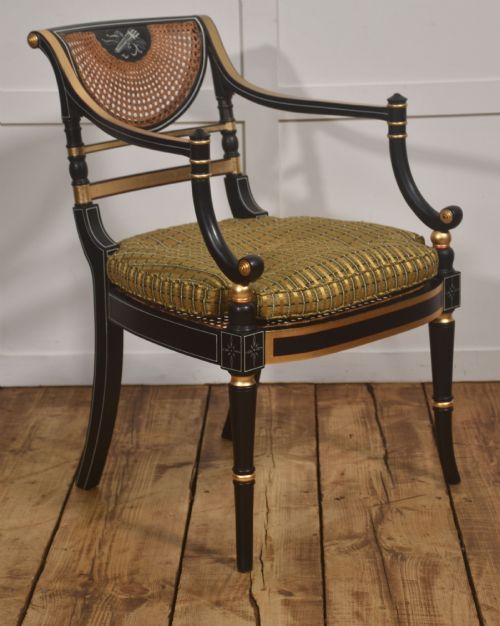
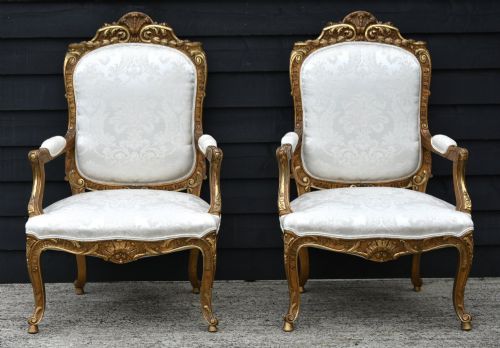
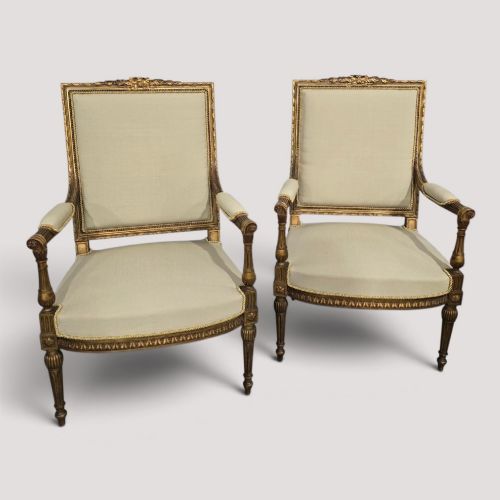
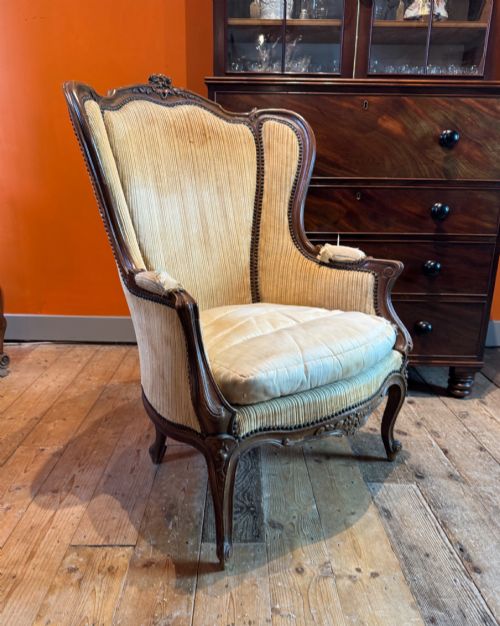
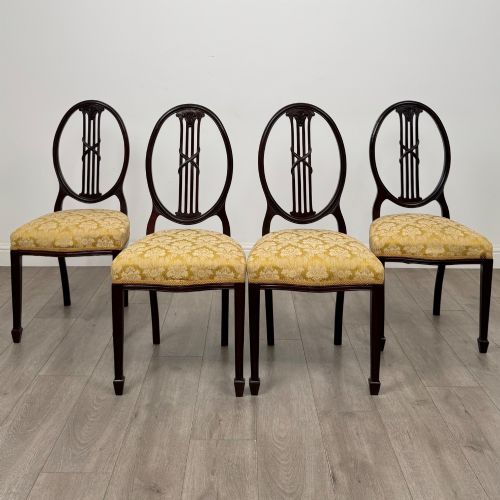
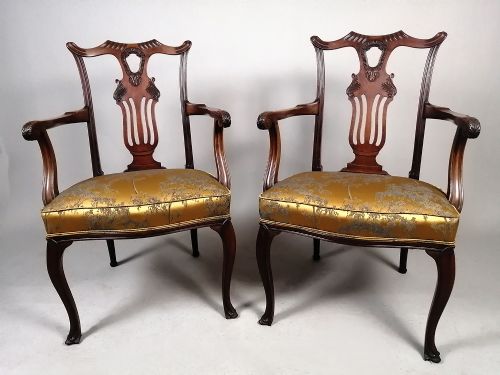
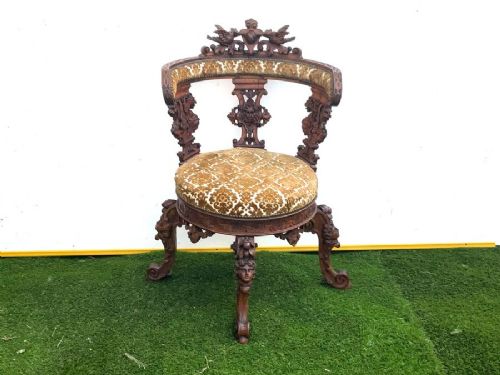
A gold wood chair encompasses a wide array of seating options ranging from French giltwood armchairs and Louis XVI style fauteuils to Victorian walnut parlour seats and Edwardian mahogany dining chairs. When searching for a gold wood chair, buyers encounter pieces originating primarily from the nineteenth century alongside eighteenth and early twentieth century examples.
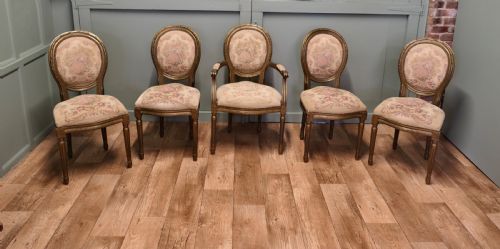
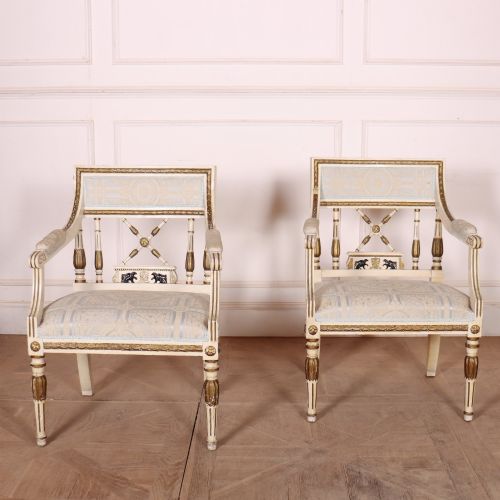
The selections span functional dining sets, pairs of open armchairs upholstered in silk or velvet, and occasional salon seating designed for formal reception rooms. English, French, Italian, and Swedish makers all contributed to this diverse category, utilising traditional hardwoods like walnut and mahogany beneath gilded or painted surfaces.
Materials and construction
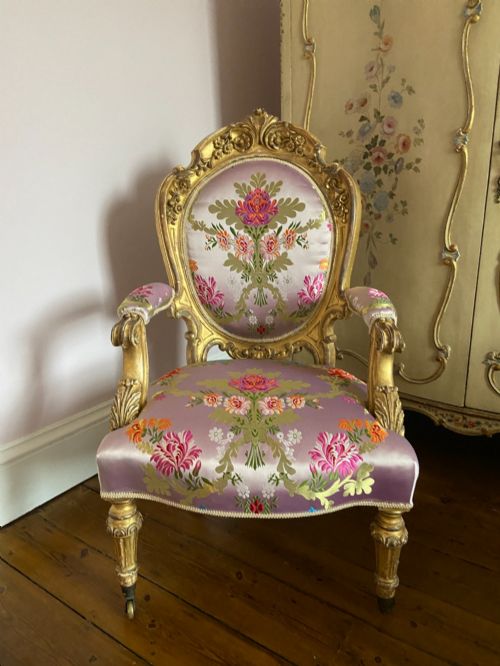
Craftsmen shaped these seats from solid timbers such as mahogany, walnut, and rosewood, often applying a layer of gesso before laying gold leaf to create a rich gilded finish. Many frames incorporate intricate hand carvings featuring scroll arms, oval backs, and classical motifs.
Upholstery techniques relied on traditional stuffing materials covered in textiles including silk, velvet, damask, and patterned fabric. Frames were joined using sturdy carpentry methods appropriate to the period, ensuring structural integrity alongside decorative flourish.
Gold Wood Chair Retail Price Guide 2026
Typical asking prices for gold wood chair among the pieces listed under this phrase on Sellingantiques today, from the lower quarter to the upper quarter. They describe what is for sale here now, not the wider market.
Children's salon chairs prove that even Victorian youngsters required gilded seating for tea.
Assessing quality and craftsmanship
The distinction between standard examples and the finest pieces lies in the crispness of the hand carving and the depth of the gilding on the wood frame. Superior seating displays fluid lines, well-proportioned frames, and meticulous attention to detail in secondary ornaments.
Original upholstery textiles or historically sympathetic re-upholstery in matching silk or velvet elevate the presentation of an armchair or dining suite. The provenance and historical context, such as documented royal or noble origin, further distinguish exceptional items.
Jacob Desmalter
The Gold Wood Chair Glossary
- Giltwood
- Wood that has been coated with gold leaf or gold paint to create a luminous, metallic surface finish. This technique appears frequently on French and Italian formal seating.
- Fauteuil
- An open-framed armchair with upholstered back and armrests, originating in France during the seventeenth century. These chairs typically feature exposed wooden frames around the padded areas.
- Bergere
- An enclosed upholstered armchair with wooden framing and upholstered sides, often paired with a loose seat cushion. They provide a deeper, more enclosed seat than standard armchairs.
- Carver
- A dining chair featuring arms, traditionally placed at the head of a dining table or used alongside matching single side chairs. They share the stylistic traits of the wider dining set.
- Settee
- A medium-sized upholstered bench with a back and arms, designed to seat two or more people. They match the aesthetic of contemporary armchairs and salon suites.
Gold Wood Chair: Frequently Asked Questions
How do I identify a French giltwood armchair?
French giltwood armchairs typically display characteristic carved wooden frames covered in gold leaf, paired with upholstered components like silk or velvet. Look for stylistic cues such as scroll arms, exposed carved woodwork, and classical revival motifs.
Examine the construction methods and the wear of the gilding to understand the age of the piece. Nineteenth-century examples often follow earlier eighteenth-century designs like Louis XVI or Regence styles.
How should I care for antique gilded furniture?
Protect gilded wooden frames from direct sunlight and moisture to prevent the gold leaf from tarnishing or flaking off over time. Dust gently with a soft, dry cloth rather than using chemical polishes.
Maintain stable indoor humidity levels to preserve both the timber substrate and the delicate gesso and gilding layers applied to the surface.
Are these chairs suitable for daily use?
Many antique chairs remain sturdy enough for regular seating, provided the underlying wooden frame and joinery are secure. Selecting pieces with sound structural integrity ensures they withstand everyday demands.
For more delicate antique upholstered seating, gentle use helps preserve fragile textiles like antique silk and velvet while maintaining the historical fabric of the item.