



Gold Walking Stick
These gold walking stick pieces combine functional support with precious metal work, offering a tangible link to nineteenth century gentlemanly style.
Gold Walking Stick
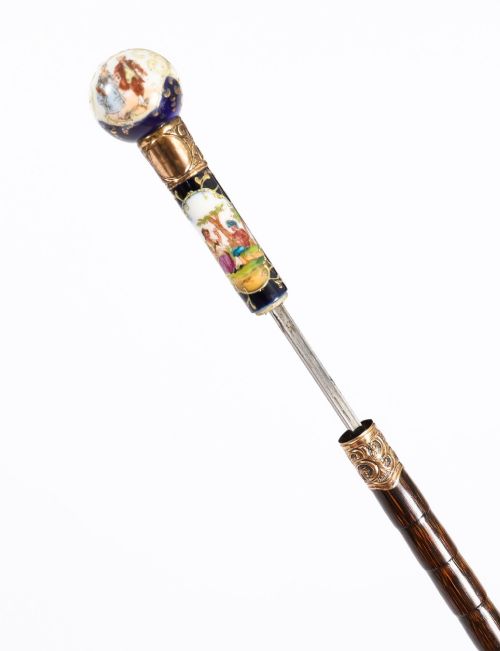
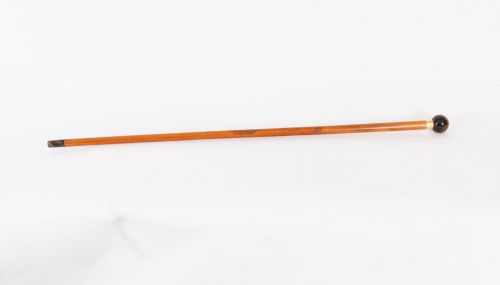
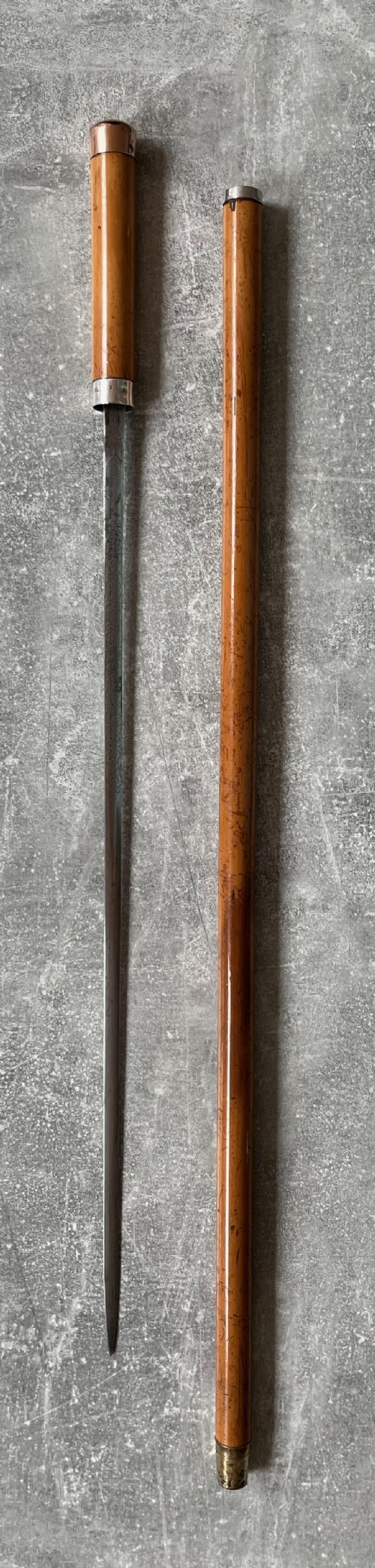
Buyers encounter variations that include traditional wooden canes fitted with precious metal handles alongside rarer sword sticks incorporating gold collars or mounts. The selection encompasses both English and French workmanship from periods such as eighteen eighty and nineteen ten.
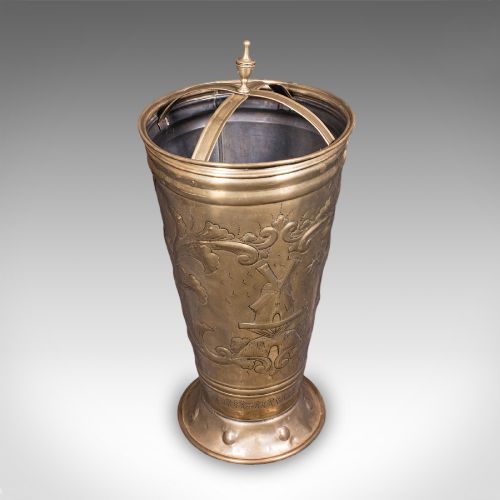
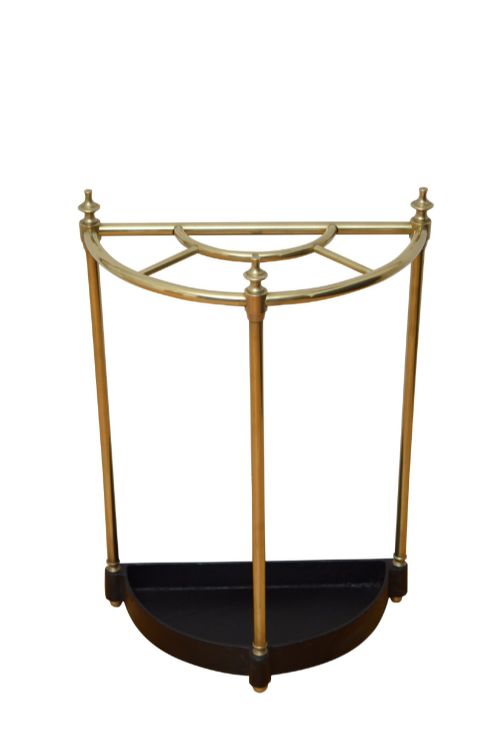
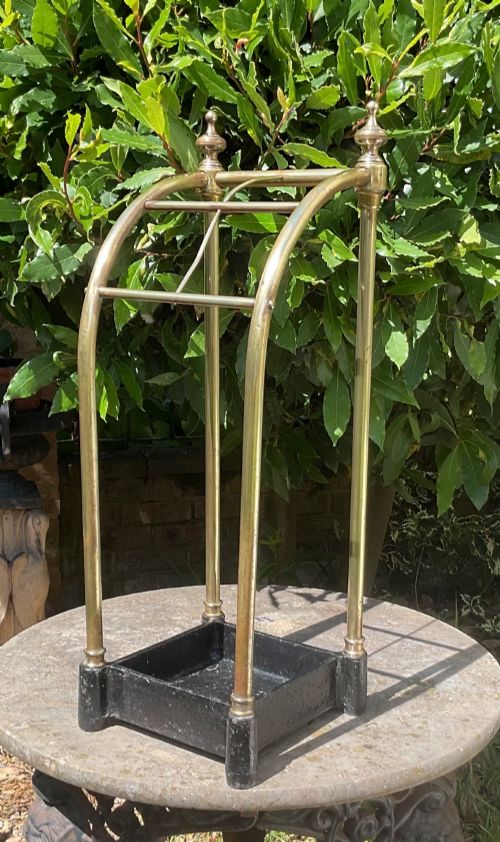
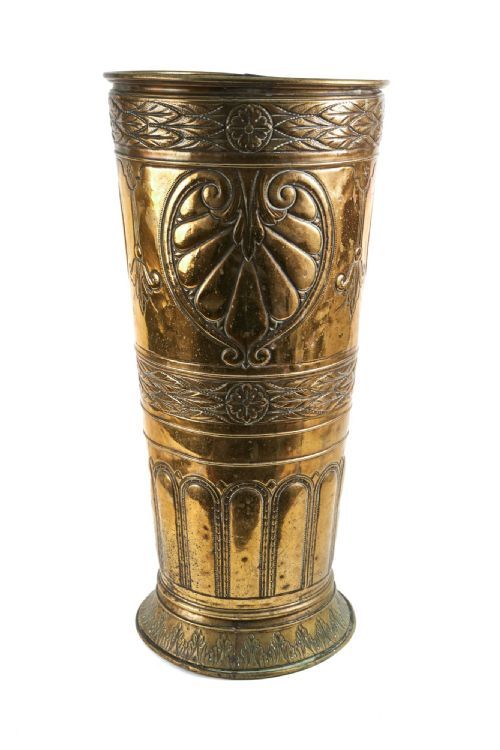
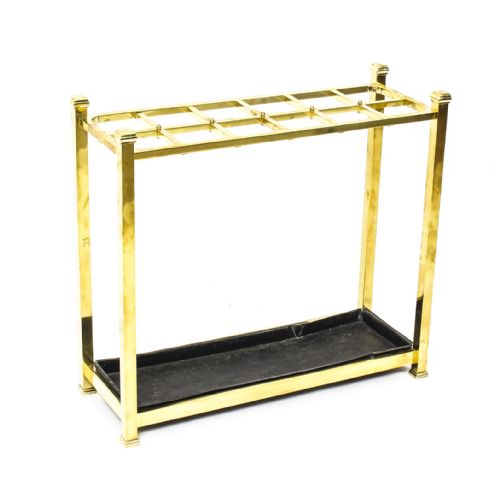
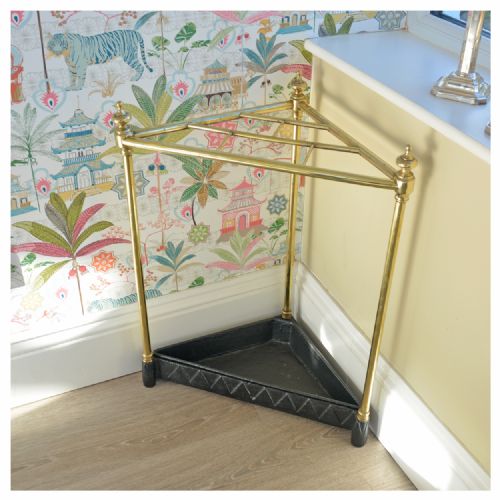
Alongside actual canes, the category occasionally includes related items like brooches and umbrella stands associated with the same period aesthetic. This mix reflects the broader material culture of hallway furnishings and gentlemanly accessories from the late nineteenth century.
Materials and construction
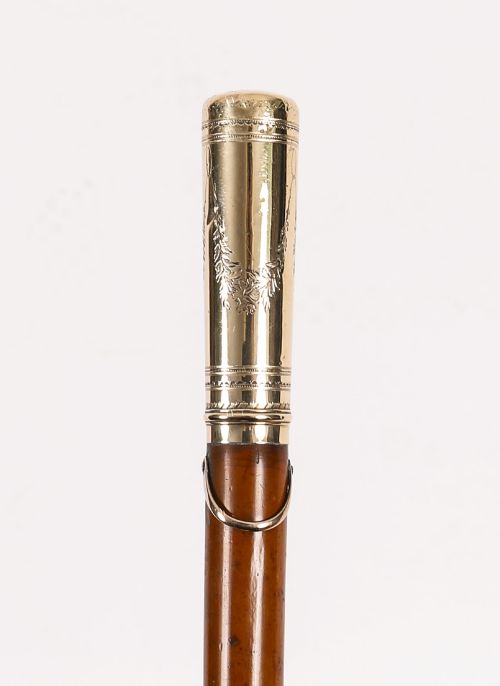
Makers utilised resilient woods such as malacca for the main shafts, pairing them with cast metals and steel blades where the piece functioned as a sword stick. Handles and mounts were cast or fabricated from eighteen carat yellow gold, sometimes accompanied by porcelain or horn elements.
Precious metal pommels frequently display engraved initials, chased decoration or maker marks like those of Thomas Johnson. Craftsmanship involved joining dense hardwoods securely to precious metal tops using internal pins and collars.
Gold Walking Stick Retail Price Guide 2026
Typical asking prices for gold walking stick among the pieces listed under this phrase on Sellingantiques today, from the lower quarter to the upper quarter. They describe what is for sale here now, not the wider market.
Listings feature items from the Victorian and Edwardian eras, incorporating materials like eighteen carat gold, brass, porcelain, horn, and malacca.
Assessing quality and craftsmanship
Quality rests upon the weight and purity of the gold pommel, alongside the structural integrity of the wooden shaft and any integrated blade by makers such as Wilkinson. Finer specimens display crisp hand engraving and robust mounting rather than thin plating.
The sophistication of the design dictates value, with bespoke nineteenth century commissions exhibiting superior balance and materials compared to standard production items. Condition of the delicate gold mount and the straightness of the shaft remain central to overall merit.
Thomas Johnson·Wilkinson Blade
The Gold Walking Stick Glossary
- Pommel
- The rounded handle or decorative knob at the top of a cane. In these pieces, it is frequently formed from solid eighteen carat gold.
- Sword stick
- A concealed blade housed within the wooden shaft of a walking stick. These typically feature locking mechanisms and metal collars.
- Malacca
- A sturdy, mottled rattan cane imported from Southeast Asia and prized for nineteenth century walking stick shafts. It offers both flexibility and strength.
- Collar
- The decorative metal band encircling the upper part of the shaft just below the handle. This element often bears hallmarks or initials.
- Demi-lune
- A half moon shape commonly found in the design of period brass umbrella and walking stick stands. It allowed hall stands to sit flush against a wall.
Gold Walking Stick: Frequently Asked Questions
How are gold walking sticks dated?
Dating relies on assay office hallmarks stamped onto the gold pommels, along with stylistic cues from the Victorian and Edwardian periods. Documentation or maker signatures also help establish precise manufacturing years.
Changes in fashion, such as the shift from mid-nineteenth century heft to lighter Edwardian profiles, further clarify the age of each stick.
Were these canes used for walking?
Most sticks served as status symbols and fashion accessories for gentlemen rather than orthopaedic aids. They accompanied formal daytime attire during strolls through city streets.
Some specialised examples doubled as self defence implements by concealing steel blades within the wooden shafts.
How should I display a stick stand?
Period brass and cast iron stands are designed for hallway placement, often featuring multiple divisions to organise several walking sticks and umbrellas. Placing them near an entryway maintains their traditional domestic context.
Ensure the stand rests on a stable surface away from excessive moisture to preserve antique metal finishes.
What is eighteen carat gold?
Eighteen carat gold consists of seventy five percent pure gold alloyed with other metals to increase durability. This purity level was standard for high quality decorative pommels and mounts on luxury nineteenth century accessories.
It provides a rich colour and substantial weight compared to lower carat alloys or plated alternatives.