



19th Century Dress Cane
These 19th century dress canes are refined accessories fashioned from wood and precious metals, offering a glimpse into period gentility and craftsmanship.
19th Century Dress Cane
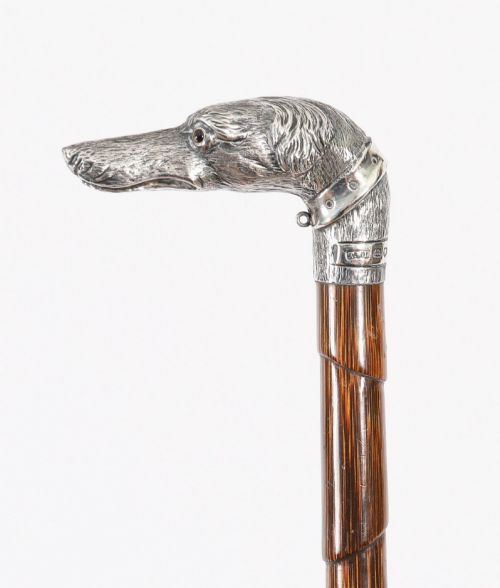
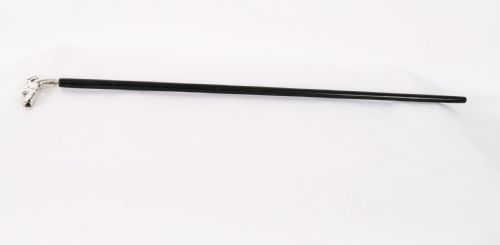
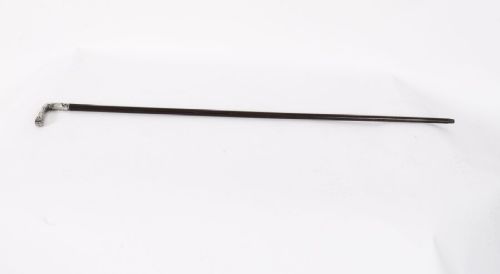
You will most frequently encounter examples featuring detailed animal heads, such as greyhounds and boars, mounted on hardwood shafts. French and Russian makers contributed significantly to the variety of styles seen in these walking sticks.
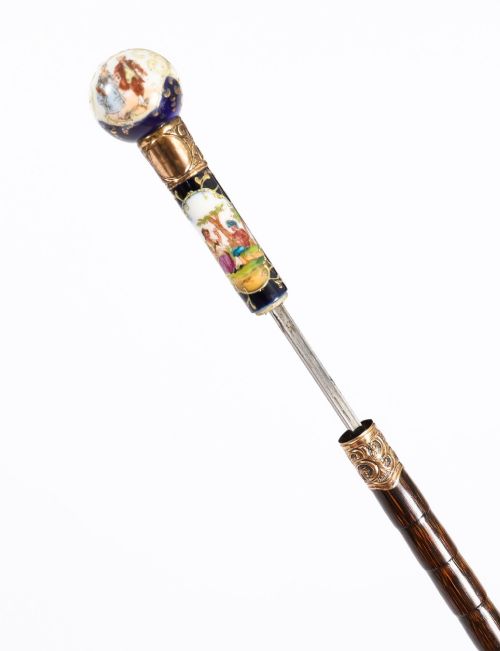
Certain versions cleverly conceal blades within the wooden shaft, serving as both a fashion statement and a discreet weapon. The 19th Century French and Rococo Revival styles dominate the aesthetic of these sophisticated accessories.
How they were made
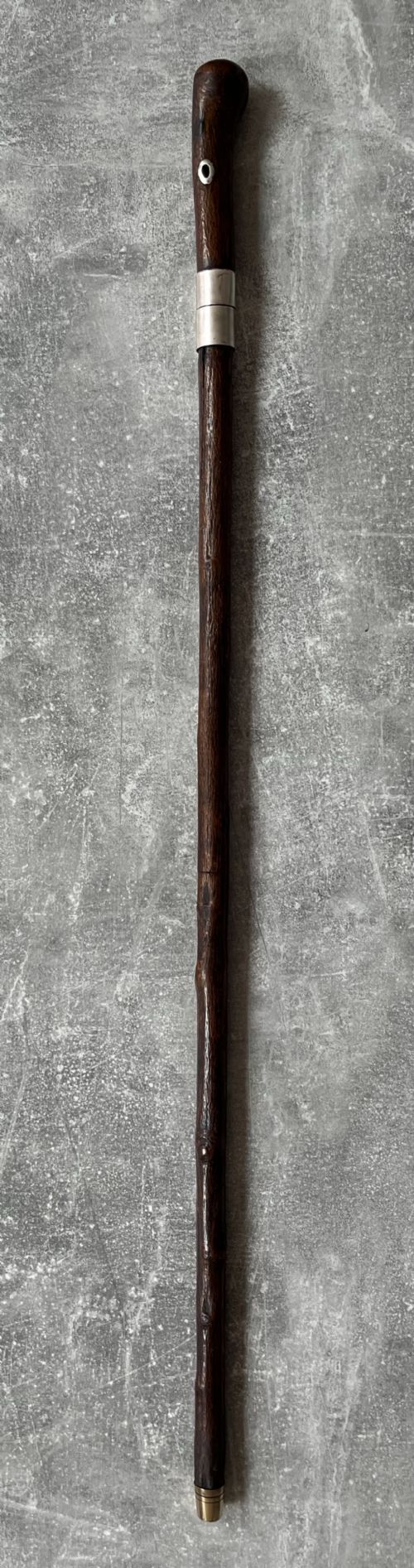
Craftsmen utilised sturdy timbers like hazel and fruitwood to form the straight shafts of each walking stick. These woods were selected for their resilience and straight grain before being polished or fitted with ferrules.
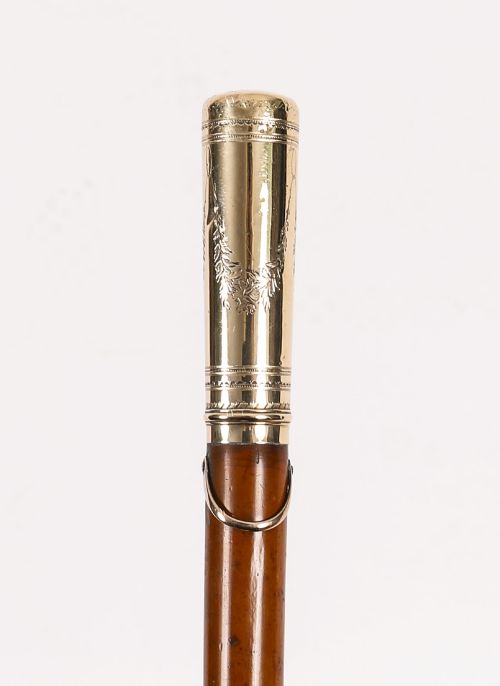
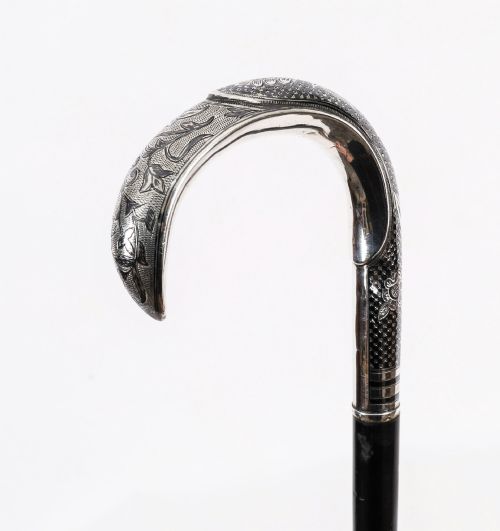
Handles were cast in silver, plated gold, or eighteen-carat gold, often incorporating intricate niello work or hand-painted Meissen porcelain. Artisans applied chasing and engraving techniques to create dimensional animal motifs like hounds and boars.
19th Century Dress Cane Retail Price Guide 2026
Typical asking prices for 19th century dress cane among the pieces listed under this phrase on Sellingantiques today, from the lower quarter to the upper quarter. They describe what is for sale here now, not the wider market.
Several nineteenth-century canes secretly moonlighted as swords, proving that Victorian accessories possessed a sharp edge.
What varies in quality
The distinction between standard walking sticks and finer dress canes lies in the complexity of the handle work and the choice of precious metals. Solid silver or eighteen-carat gold mounts demonstrate superior craftsmanship compared to simple plated alternatives.
Hand-painted details on porcelain elements and the precision of the metal engraving separate workshop production from mass output. The structural integrity of the joint between the handle and the wooden shaft further indicates the standard of manufacture.
The 19th Century Dress Cane Glossary
- Pommel
- The rounded or decorative handle fitted to the top of a walking stick. This part usually displays the most intricate metalwork or carving.
- Niello
- A black metallic alloy used as an inlay on engraved silver surfaces. This technique creates contrasting dark designs against the bright metal.
- Ferrule
- The protective metal cap fitted to the bottom tip of the cane shaft. It prevents the wood from splitting during daily use.
- Sword cane
- A walking stick with a concealed blade hidden inside the wooden shaft. These dual-purpose items were popular for personal protection during the nineteenth century.
19th Century Dress Cane: Frequently Asked Questions
How were nineteenth-century sword canes used?
Sword canes served a dual purpose as walking supports and concealed personal defence weapons. The blade is safely housed within the wooden shaft and secured by a locking mechanism.
Gentlemen carried these items for protection when travelling through unfamiliar areas at night. The exterior appearance remains indistinguishable from a standard dress cane.
What materials are common in nineteenth-century cane handles?
Handles incorporate silver, gold plate, eighteen-carat gold, and hand-painted Meissen porcelain. Some examples utilise niello inlay to create dark decorative contrasts on silver surfaces.
Artisans often shaped these materials into animal forms such as greyhounds or boars. The variety of materials reflects regional preferences across French, Russian, and British workshops.
How do you identify the period of a dress cane?
Dating relies on stylistic markers such as Rococo Revival shaping and the specific hallmarks stamped onto silver or gold mounts. The choice of materials like hardwood shafts and porcelain components aligns with nineteenth-century manufacturing methods.
Maker marks and metal purity stamps provide concrete evidence of the decade of production. Construction techniques, including how the handle joins the shaft, also indicate the period.