





Gold Virgin and Child
These gold virgin and child pieces combine precious metal and devotional imagery, offering portable piety and decorative reverence for home or wear.
Gold Virgin and Child
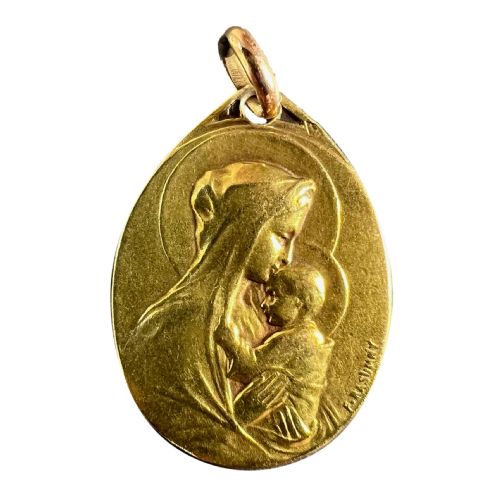
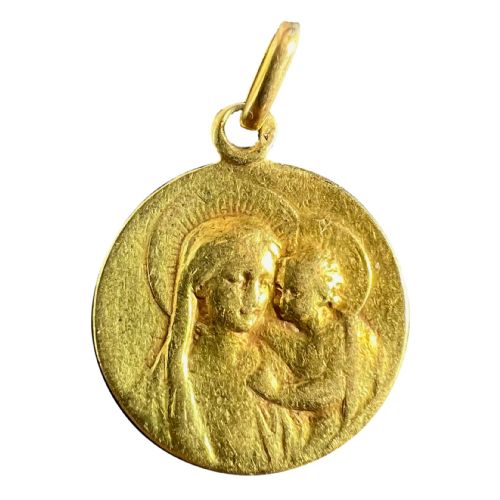
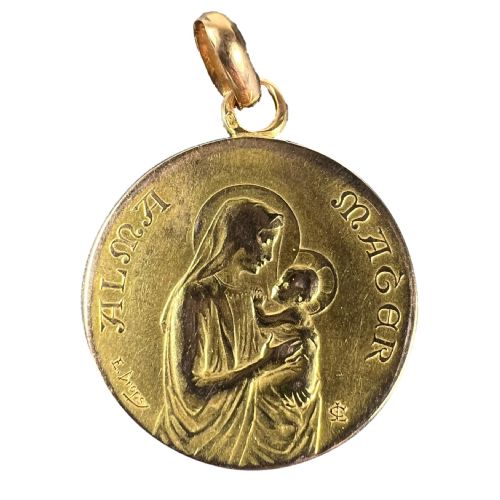
A search for gold virgin and child brings together devotional art and personal ornaments spanning several centuries. The most frequent examples on this page are French religious medal pendants struck in eighteen carat yellow and rose gold.
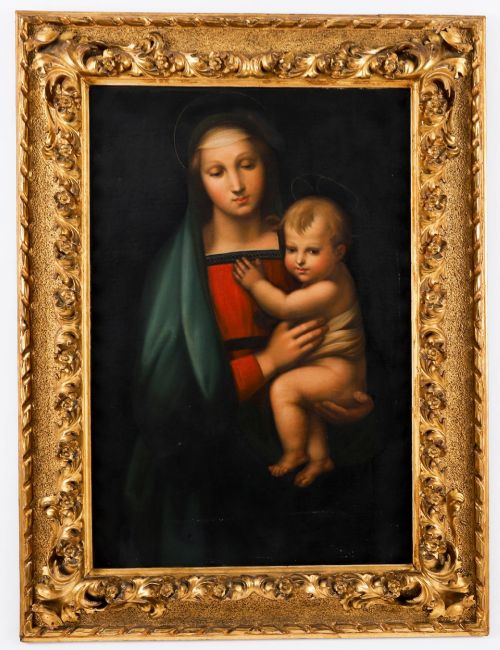
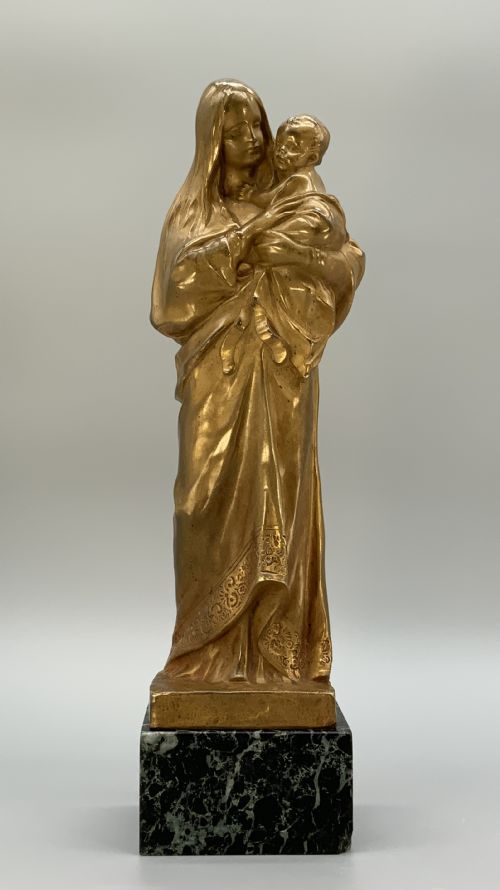
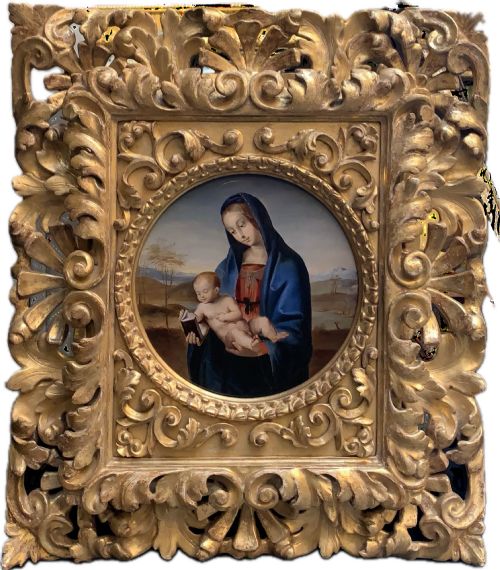
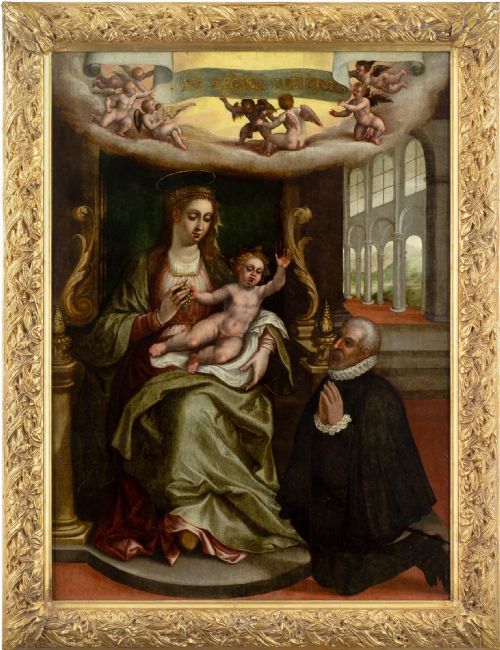
Beyond jewellery, the selection encompasses oil paintings on canvas and wood panel alongside framed prints and gilt bronze sculptures. These works draw upon Renaissance compositions, particularly after Raphael, reinterpreted in nineteenth and early twentieth century workshops.
Periods represented range from sixteenth century followers and circles of known masters through to Edwardian and Art Nouveau revivals. Buyers encounter everything from small charms to large wall art.
Distinctions in Execution
In painted works, execution depends on the skill of the copyist or follower in handling oil pigments and capturing the depth of the original Renaissance composition. Brushwork sensitivity separates decorative interpretations from accomplished studies.
The integrity of materials, from the purity of the gold to the preservation of original giltwood frames and wood panels, determines the standing of each piece.
Gold Virgin and Child Retail Price Guide 2026
Typical asking prices for gold virgin and child among the pieces listed under this phrase on Sellingantiques today, from the lower quarter to the upper quarter. They describe what is for sale here now, not the wider market.
Materials range from oil on canvas and wood panel to eighteen carat yellow and rose gold.
Hans Müller·Miguel Barroso·Arnault·Rasumny·Dropsy
The Gold Virgin and Child Glossary
- Plique-à-jour
- An enamelling technique where enamel is applied in cells without a backing, allowing light to shine through the transparent colour much like stained glass. This method appears on fine decorative metalwork and pendants.
- Giltwood
- Wood that has been coated with a thin layer of gold leaf or gold powder for decorative effect. It frequently frames oil paintings and wall art from various periods.
- Oil on canvas
- Pigments bound in a drying oil medium applied to stretched fabric support. This technique defines many of the devotional portraits and master copies seen here.
- Religious medal
- A small metal devotional object worn for protection or remembrance, often featuring sacred iconography. French examples in yellow gold dominate this category.
- Icon
- A panel painting of a holy figure, traditionally executed on wood according to specific stylistic conventions. These devotional works often incorporate gold leaf backgrounds.
Gold Virgin and Child: Frequently Asked Questions
What is a religious medal pendant?
A religious medal pendant is a small wearable devotional piece struck from precious metal, designed to be suspended from a chain. These items often feature sacred portraits and inscriptions.
French workshops produced numerous examples in eighteen carat gold during the late nineteenth and early twentieth centuries, combining personal adornment with faith.
How should I display a framed oil painting?
Display framed oil paintings away from direct sunlight and excessive humidity to protect the canvas, wood panel, and giltwood frame. Proper placement ensures the pigments and gold leaf remain stable over time.
Ensure the wall fixings support the weight of larger canvases and framed prints safely within your interior space.
What does after Raphael mean?
The phrase indicates that the artwork is a later copy, study, or homage based upon an original composition by the Renaissance master Raphael. Artists across subsequent centuries frequently painted these tributes to practice technique.
Such works capture famous imagery like the Madonna of the Chair in mediums ranging from oil on canvas to classical prints.
How do I identify Art Nouveau pieces?
Art Nouveau items feature characteristic flowing lines, organic motifs, and stylized natural forms popular around the turn of the twentieth century. In jewellery and medals, this translates to sinuous framing and delicate enamel work.
This stylistic influence distinguishes specific French pendants from earlier nineteenth century designs.