




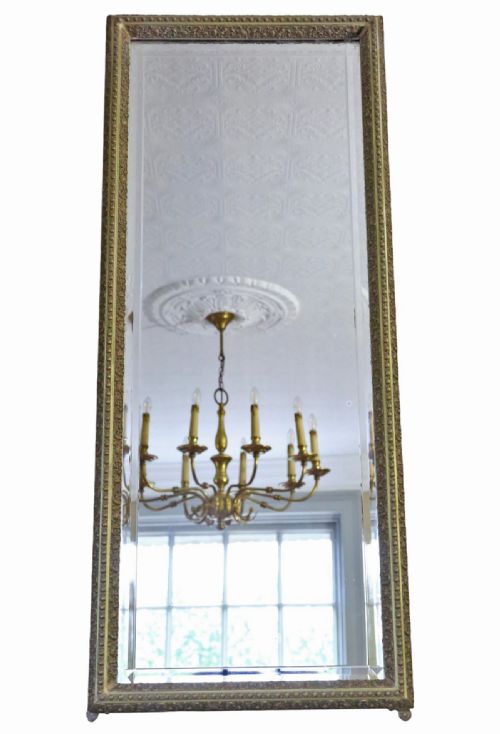


Gold Standing Mirror
A gold standing mirror brings warmth and reflective depth to a room, drawing the eye with gilded surfaces.
Gold Standing Mirror
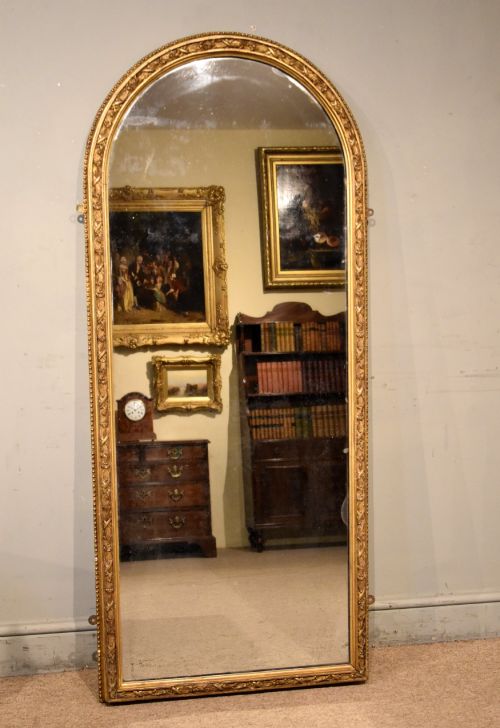
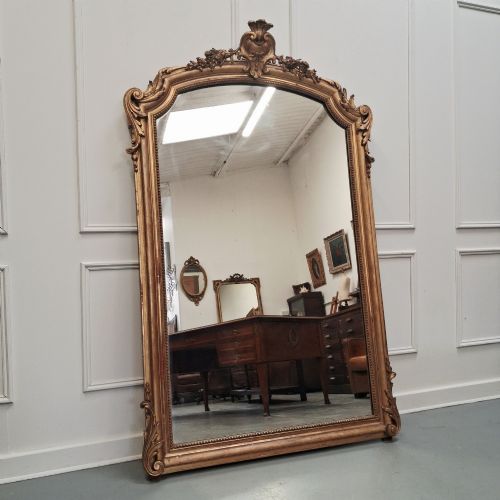
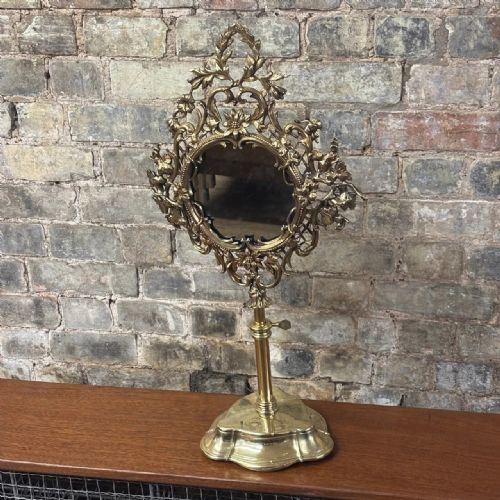
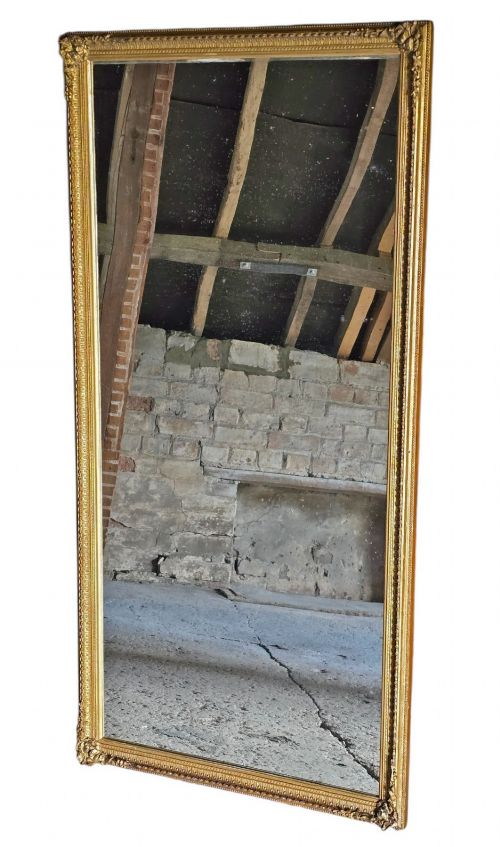
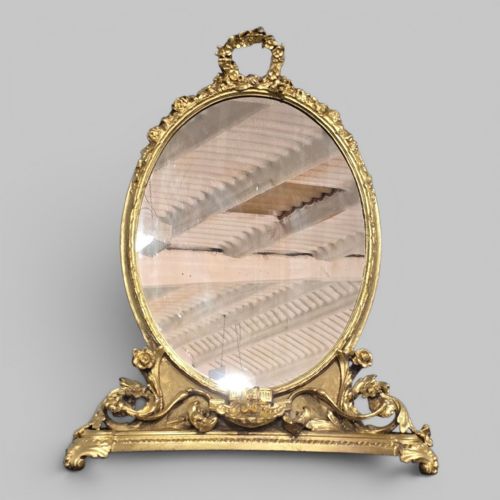
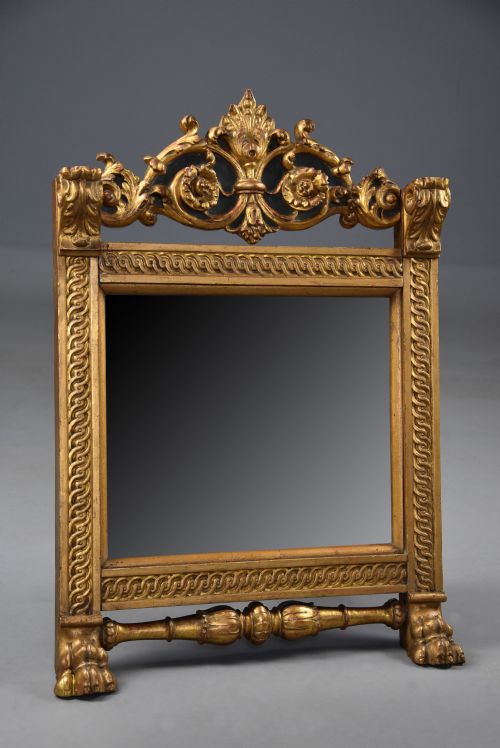
A gold standing mirror encompasses large full-length floor mirrors, cheval mirrors, and smaller dressing table variations found across this selection. Pieces stem from the Victorian period, the nineteenth century, and early decades like 1910 and 1920, originating from French, Italian, and English workshops.
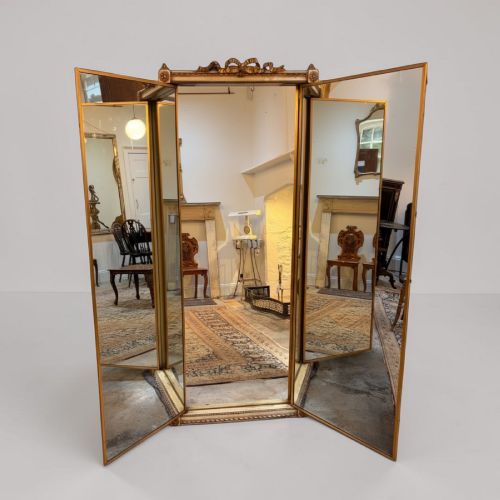
Buyers seeking a gold standing mirror will encounter full-length leaner formats alongside tabletop toilet mirrors and ornate triptych designs. Styles span French Rococo Revival, Italian Baroque, and Chinoiserie, offering varied decorative impacts for interiors.
Materials and Technique
Frames rely on carved wood, gesso, and cast brass, finished with gold leaf, gilding, or ormolu to achieve a bright metallic sheen. Artisan carvers shaped intricate motifs into wood and gesso before applying gold leaf or gilding by hand.
Reflective surfaces utilise mirror glass, occasionally bevelled, set into sturdy wooden or metal armatures. Easel backs, bronze mounts, and iron hinges support the pivoting and standing mechanisms of cheval and tabletop examples.
Gold Standing Mirror Retail Price Guide 2026
Typical asking prices for gold standing mirror among the pieces listed under this phrase on Sellingantiques today, from the lower quarter to the upper quarter. They describe what is for sale here now, not the wider market.
Religious devotion meets decoration in sacred flaming heart reliquary mirrors.
Craftsmanship and Detail
Depth and precision of carved ornament dictate visual success, distinguishing heavily detailed giltwood frames from simpler moulded pieces. Hand-carved wood and gesso show crisp definition in scrollwork and floral elements compared to softer cast alternatives.
Integrity of the original gilding and the clarity of the mirror plate determine visual authenticity. Intricate details like champleve enamels, ormolu mounts, and bevelled glass indicate higher manufacturing ambition.
The Gold Standing Mirror Glossary
- Giltwood
- Wood that has been coated with gold leaf or powder. This finish gives frames their characteristic bright metallic appearance.
- Gesso
- A plaster mix applied to wood frames before gilding. It provides a smooth base for intricate carved details.
- Cheval mirror
- A full-length mirror hung in a frame that allows it to tilt. These freestanding pieces rely on side pivots.
- Ormolu
- Gilded bronze used for decorative mounts and frames. It was popular in French furniture and mirror production.
- Triptych mirror
- A three-panel mirror with hinged sides. This design allows the outer sections to angle inward.
Gold Standing Mirror: Frequently Asked Questions
How do I place a floor mirror?
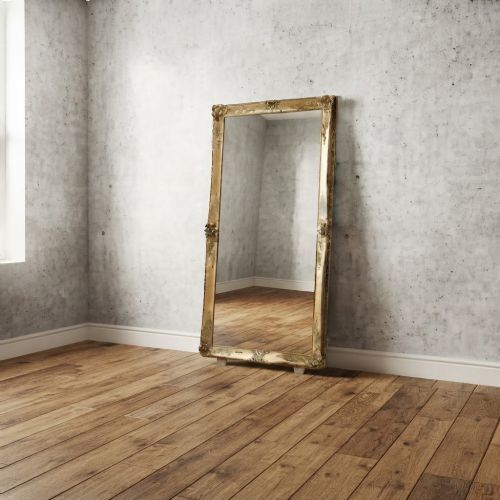
Leaner mirrors rest directly against a wall to reflect light and open up smaller spaces.
Securing taller frames properly ensures stability in busy rooms or hallways.
What is a cheval mirror used for?
A cheval mirror provides a full-length reflection for dressing and checking attire.
The pivoting frame adjusts the viewing angle easily without moving the base.
How do I identify Victorian mirrors?
Victorian pieces often feature heavy carved wood, gesso, and elaborate revival styles.
Look for nineteenth-century construction methods and traditional joining techniques on the reverse.
Where should a table mirror go?
Tabletop and dressing table mirrors sit on surfaces like chests of drawers or console tables.
Smaller brass or giltwood versions suit bedrooms and hallways alike.
What makes French mirrors distinct?
French mirrors frequently display Rococo Revival curves, champleve enamel, or ormolu mounts.
Chateau and neo-classical influences shape their decorative frames.