


Gold Seed Pearl Charm
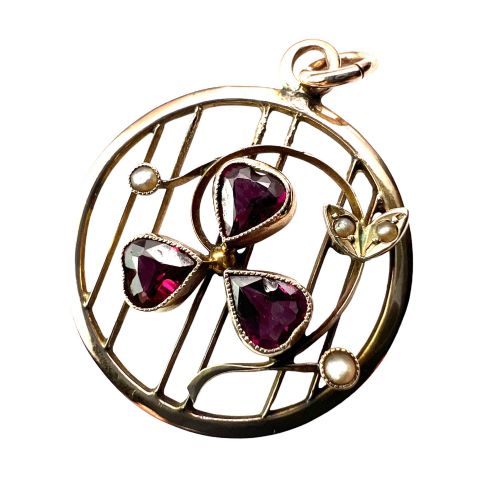
A gold seed pearl charm brings together tiny, lustrous pearls and warm gold in pieces shaped as hearts, insects, and lockets.
Gold Seed Pearl Charm
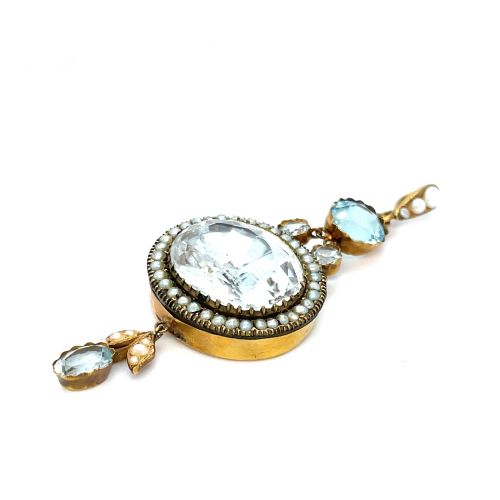
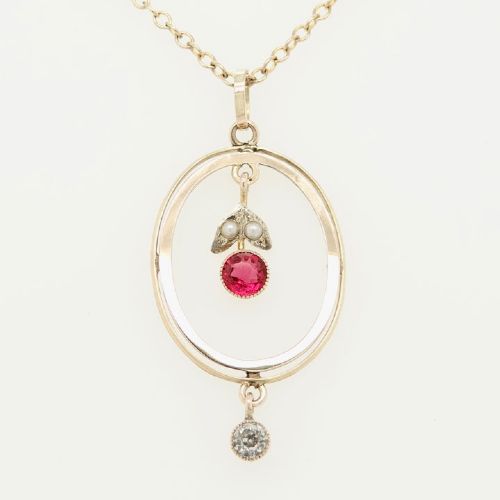
A gold seed pearl charm typically takes the form of a small pendant, locket, or bracelet attachment designed to be worn close to the skin. Buyers searching this phrase seek out delicate miniature ornamentation created during the Georgian, Victorian, and Edwardian eras.
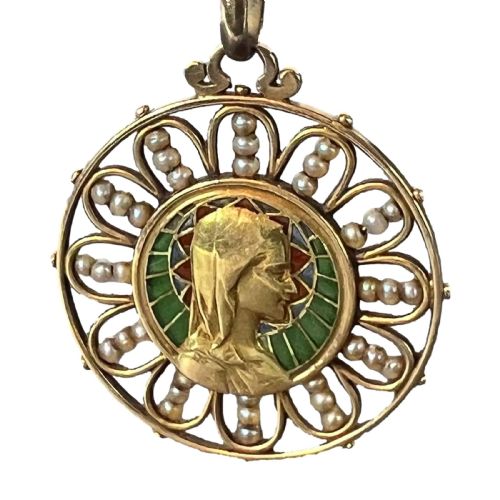
Origins stretch from British workshops to French ateliers, encompassing regional stylistic shifts from naturalistic insect forms to geometric Art Deco sunbursts. Each item serves as a portable keepsake or decorative token from the nineteenth and early twentieth centuries.
How they were made
Goldsmiths utilised varying purities of gold, ranging from nine carat and fifteen carat to eighteen carat yellow and rose gold, often shaping the metal into hollow puff hearts or delicate wirework settings. Seed pearls were carefully selected for their uniform tiny scale and individually threaded or pegged into position.
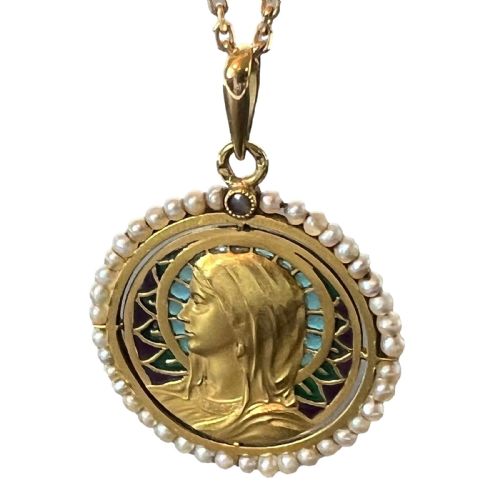
Enamelling techniques such as plique-a-jour appear alongside coloured gemstones like rubies, tourmalines, and turquoise to add rich contrast to the pearl work. Metal components were hand-forged, chased, and soldered to construct secure mounts for both the central stones and the minute pearls.
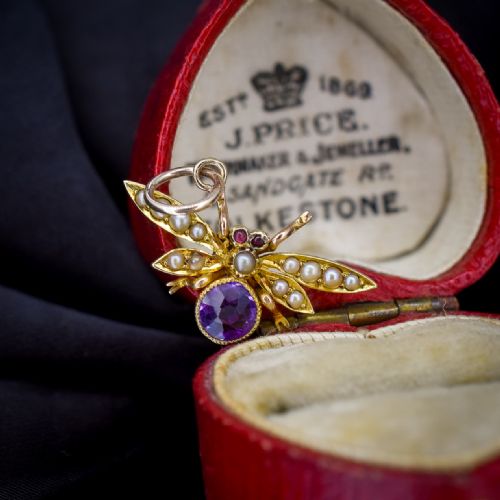
Insects occasionally joined the jewellery box, including tiny gold flies set with pearls meant to rest quietly upon a lapel.
What varies in quality
The standard of execution depends heavily on the precision of the pearl setting and the integrity of the gold work. Superior examples demonstrate meticulous placement where every tiny seed pearl remains secure and matched in lustre, whereas lesser pieces show uneven spacing or replacement synthetic elements.
Design complexity also dictates the tier of a piece, separating simple stamped components from deeply chased or hand-engraved gold items incorporating multi-gemstone arrangements. The weight of the gold and the survival of original enamel or delicate filigree further distinguish finer workshop output.
The Gold Seed Pearl Charm Glossary
- Seed pearl
- A very small natural or saltwater pearl, typically under two millimetres in diameter. These tiny spheres are clustered or lined to form floral and geometric patterns.
- Plique-a-jour
- An enamelling technique where enamel is applied to open cells without a backing, resembling miniature stained glass. This method allows light to pass directly through the translucent coloured glass.
- Puff heart
- A hollow gold pendant formed of two domed metal halves joined together to create a three-dimensional heart shape. They were frequently utilised as sentimental love tokens in the Victorian period.
- Curb bracelet
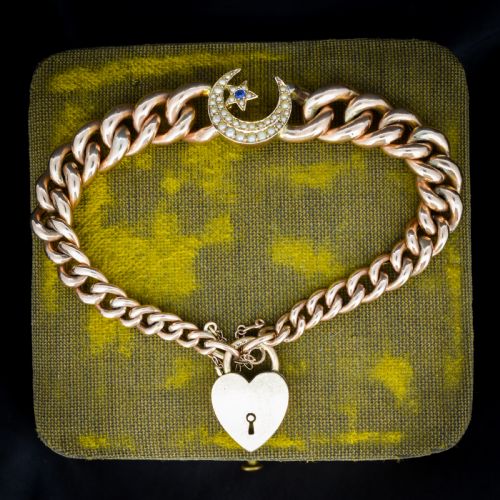
- A chain bracelet composed of uniform interlocking flat links. These pieces often secure with a heart-shaped padlock clasp.
- Foil back
- A historical method of placing metallic foil behind a transparent gemstone to enhance its brilliance and colour reflection. This technique is frequently seen in Georgian and early Victorian jewellery.
Gold Seed Pearl Charm: Frequently Asked Questions
How do I wear a gold seed pearl charm?
These miniature pieces hang easily from fine gold chains as daily pendants or attach securely to charm bracelets. Their delicate scale suits layering alongside other antique necklaces.
Care should be taken to protect the tiny pearls from harsh cosmetics, perfumes, and prolonged immersion in water to preserve their natural lustre.
Are seed pearls fragile?
Seed pearls possess a lower hardness than precious stones and require gentle handling to avoid surface scratching or loss. Organic materials can absorb oils and moisture over time.
Store them separately in a soft pouch away from harder jewellery items to prevent unnecessary friction and wear.
How can I tell a Victorian piece from an Edwardian one?
Victorian designs often favor heavier yellow or rose gold settings with romantic motifs like hearts, initial letters, and lovers knots. Gemstones such as amethyst and garnet feature prominently in these earlier works.
Edwardian pieces tend toward lighter constructions, frequently utilising platinum or higher carat gold alongside bright aquamarines, sapphires, and diamonds in airier, lace-like arrangements.