


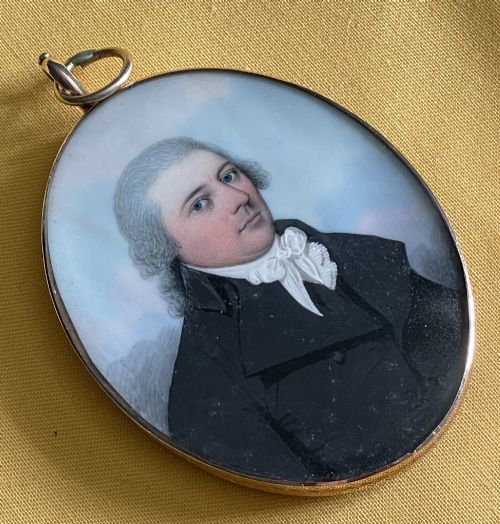
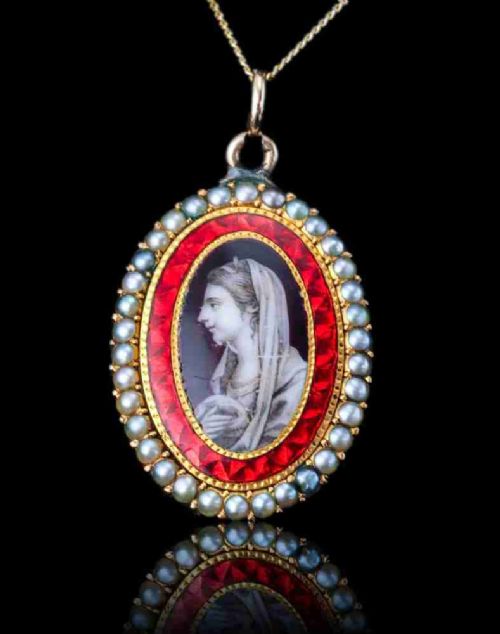


Gold Portrait Miniature Pendant
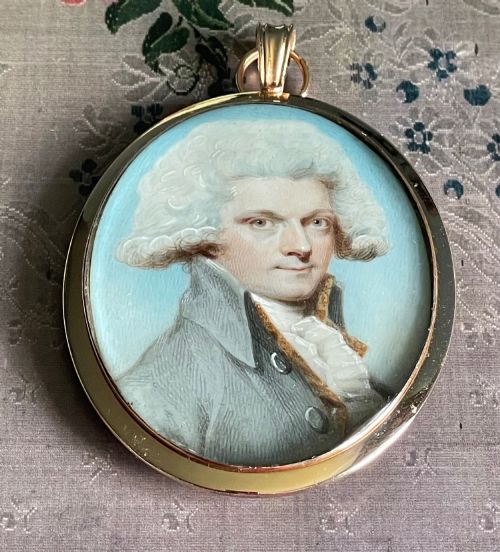
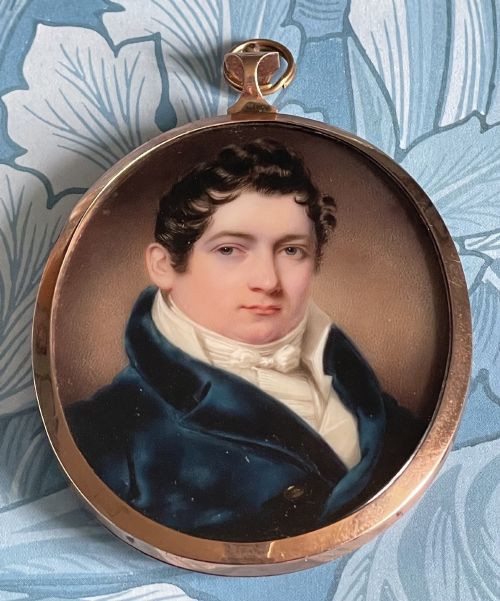
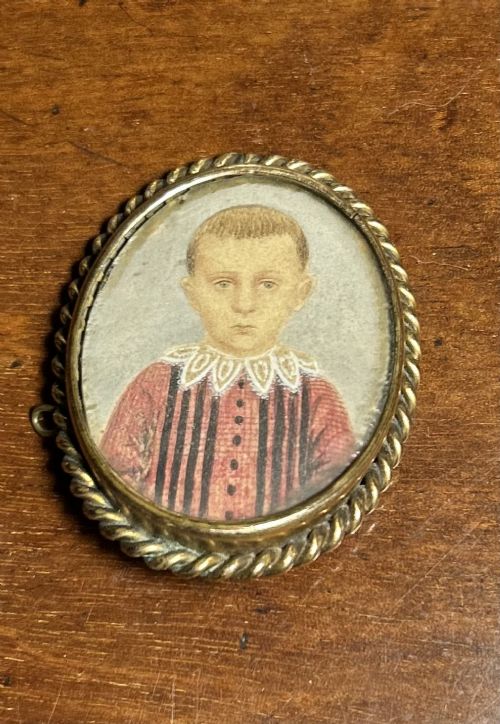
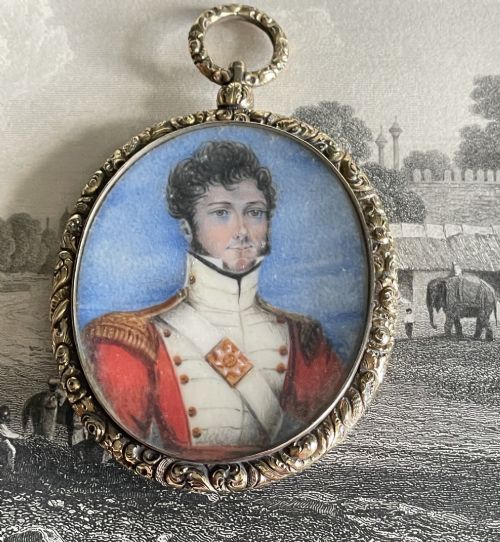
A gold portrait miniature pendant preserves a face in watercolour or enamel, framed in gold to wear close.
Gold Portrait Miniature Pendant
A gold portrait miniature pendant is a wearable work of art that captures likenesses from past centuries. When searching this phrase, a buyer meets items designed to hold a painted image close to the heart, often doubling as brooches or locket necklaces.
The pieces listed here span the Georgian, Victorian and Edwardian eras, reaching back to the seventeen-hundreds. They show gentlemen, naval officers, ladies and children painted with remarkable intimacy.
Most examples combine precious metal frames with painted panels behind glass. The makers worked on ivory, vellum, copper, enamel or agate, setting their subjects in gold that ranges from nine carat to twenty-two carat.
How They Were Made
The artists painted with minute brushwork using watercolour, pigment or enamel upon thin slices of ivory, vellum, copper or agate. Painting on ivory required a steady hand to capture skin tones through translucent layers, whilst enamel miniatures were fired in a kiln to fix the colours permanently.
Goldsmiths then housed these delicate paintings in custom frames made of gold, gilt metal or enamel. Many pieces incorporate glass covers to protect the painted surface, and some feature pearl settings or delicate hairwork compartments on the reverse.
Listings feature works painted on ivory, vellum, copper, enamel and agate, housed in gold frames ranging from nine carat to twenty-two carat.
What Varies in Quality
The setting matters equally, distinguishing standard mountings from substantial gold frames enriched with enamel work or pearls. Pieces signed by known miniaturists or retaining their original fitted cases represent the higher end of the range.
Henry Bone ARA·Charles Shirreff·John Miers·John C D Engleheart·Frederick Buck·Charles Hayter·Christian Friedrich Zincke·William Naish·James Ferguson·George Engleheart·William Grimaldi·John Inigo Wright·Samuel Cotes·AE Chalon
The Gold Portrait Miniature Pendant Glossary
- Miniature portrait
- A small painting executed on a very reduced scale, typically depicting a specific person. These works required specialised magnifying lenses and fine brushes.
- Enamel
- A glassy substance fused to a metal substrate through firing. Enamel portraits resist fading over centuries and retain a glossy finish.
- Vellum
- A fine parchment prepared from calfskin, used as a smooth painting surface before ivory gained popularity in the eighteenth century.
- Silhouette
- A solid black profile portrait, often cut from paper or painted on card or plaster. Silhouette jewellery offered a more affordable alternative to full colour miniatures.
- Agate
- A crystalline quartz variety used occasionally as a panel for miniature paintings. The natural banding of the stone sometimes formed a backdrop for the subject.
Gold Portrait Miniature Pendant: Frequently Asked Questions
How were portrait miniature pendants worn?
Owners wore these pieces suspended from ribbons or chains around the neck, or pinned directly to clothing as convertible brooches. They served as private tokens of affection, remembrance or allegiance.
Many designs permitted the wearer to tuck the portrait inside a waistcoat or dress, revealing the face only to trusted company.
What materials appear in these pendants?
The frames employ gold, gilt metal and enamel, whilst the painted panels utilise ivory, vellum, copper, pigment and glass. Some examples incorporate pearls or agate.
Artists selected materials that held fine detail, ensuring the subject's likeness remained crisp over generations.
How can I tell the Georgian pieces apart from Victorian ones?
Georgian examples often feature softer watercolour tones on ivory with simple gold bezels, sometimes accompanied by woven hair on the reverse. Victorian pieces tend to show heavier gold mounts, distinct clasp mechanisms and occasional use of black enamel for mourning.
Stylistic cues in the sitter's hair and clothing also help anchor the piece to a specific reign.