

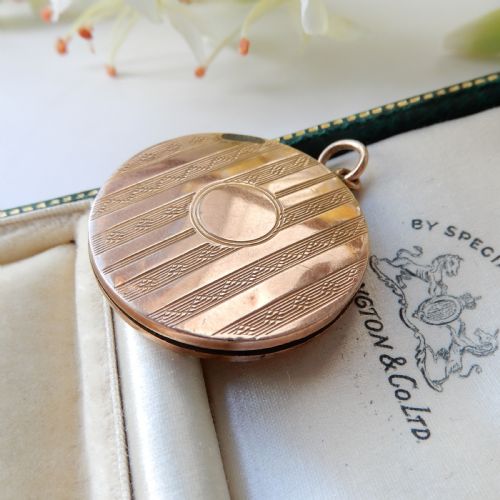


Gold Picture Pendant
Gold picture pendant pieces combine personal portraiture with precious metal work, offering a tangible link to past lives that modern jewellery rarely matches.
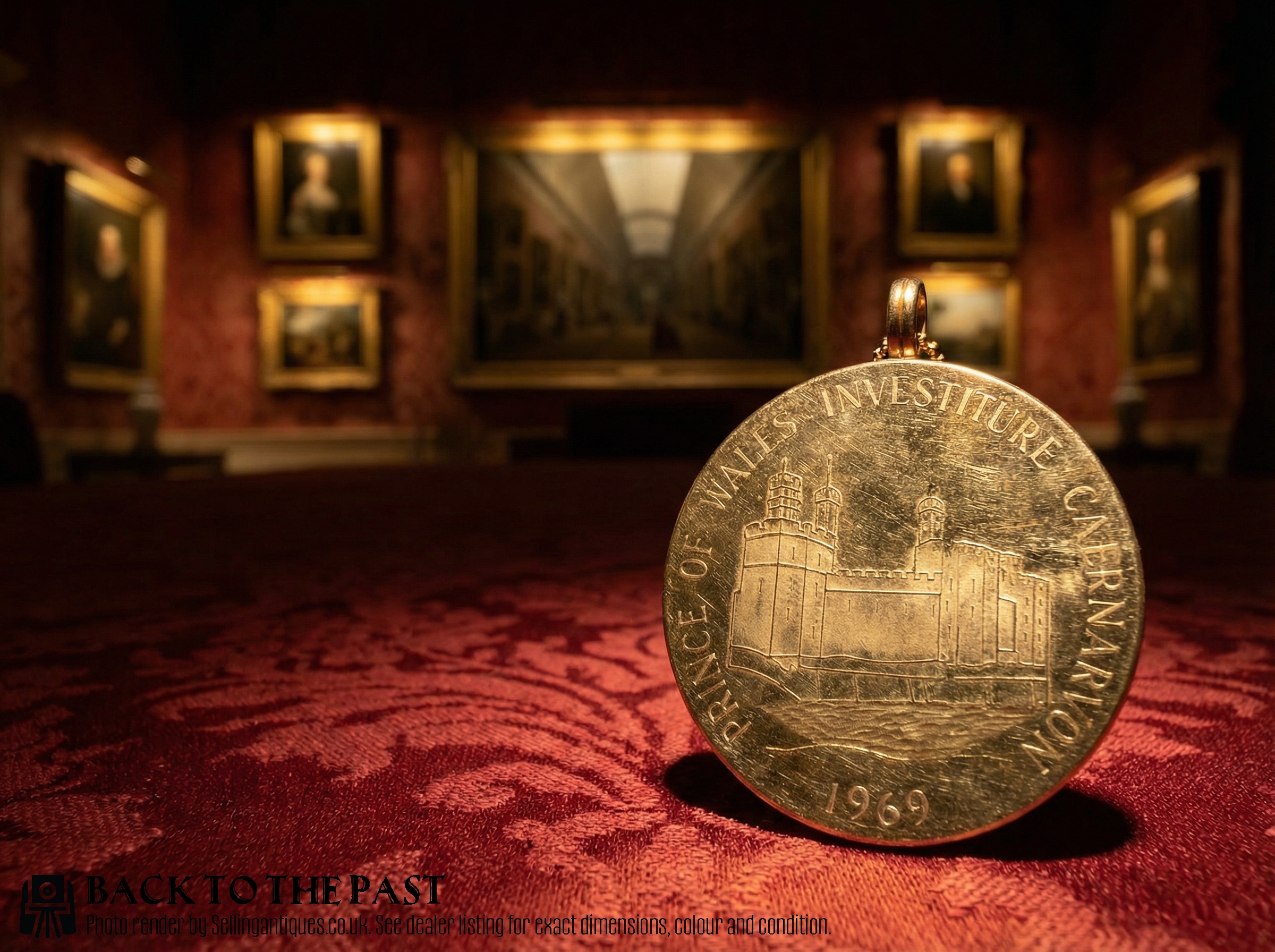
Gold Picture Pendant
A gold picture pendant brings together miniature portraiture, photography and precious metal framing. These pieces function simultaneously as personal mementoes and wearable items of fine jewellery.
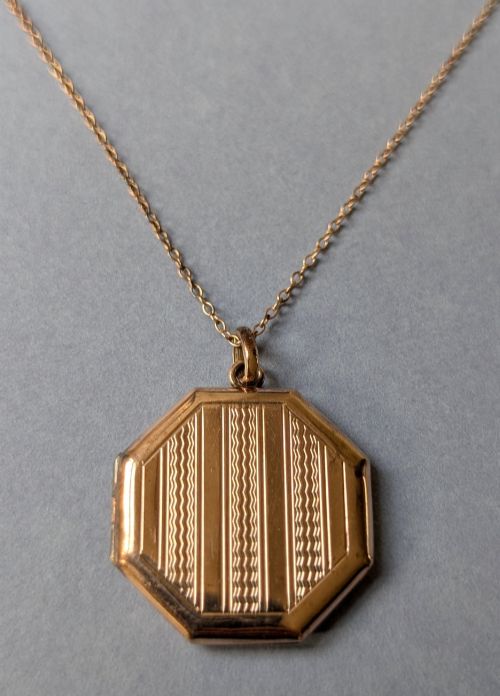
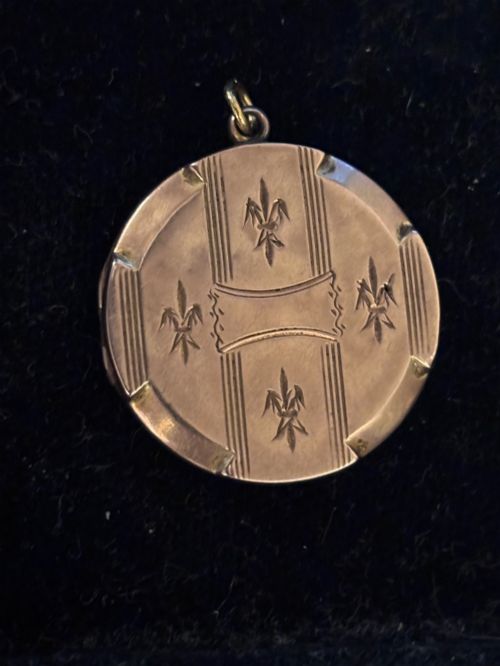
Victorian and Edwardian iterations dominate the selection, often taking the form of hinged lockets designed to hold small photographs, locks of hair or painted miniatures.
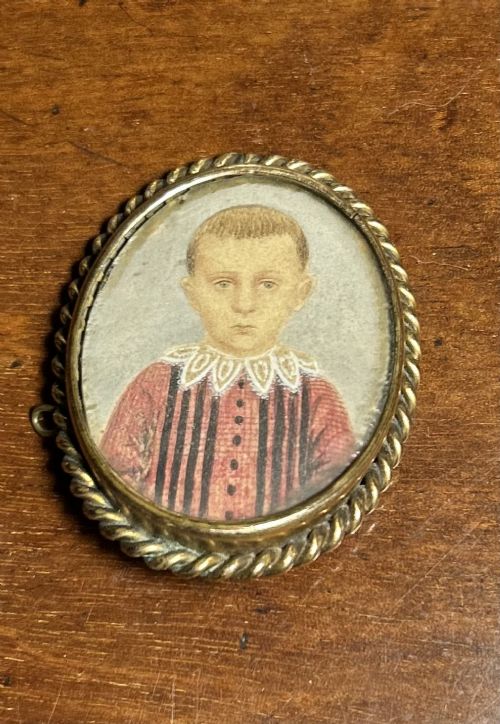
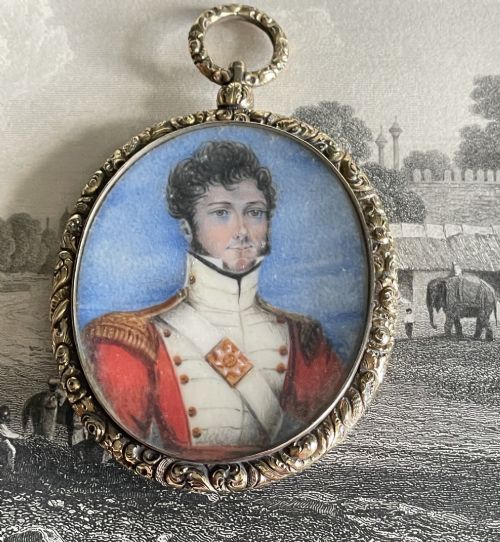
Forms vary from simple round and oval lockets to elaborate sunbursts, book-shaped lockets and portrait miniature brooches housed in gold frames.
Distinguishing quality across periods
Quality rests in the crispness of the hand-engraving, the complexity of the gemstone setting, and the purity of the gold utilised in the construction.
Painted portrait miniatures show superior quality through fine brushwork, anatomical accuracy and expressive detail, contrasting with simpler photographic insertions.
The integrity of the hinge, the secure closure of the snap, and the preservation of the original glass covers indicate superior craftsmanship and careful past handling.
Listings span the eighteenth, nineteenth and twentieth centuries, featuring 9ct gold, 18ct gold, enamel, pearls and hand-painted watercolours.
Charles Hayter
The Gold Picture Pendant Glossary
- Back and front
- A construction method where the exterior plates are made of solid gold while the interior mechanics utilise a base metal for structural strength.
- Engine turned
- A geometric pattern mechanically engraved into the gold surface using a lathe, creating repetitive lines and textures.
- Portrait miniature
- A small, highly detailed painting executed on ivory, vellum or card, designed to be worn or carried close to the body.
- Glazed locket
- A pendant featuring transparent glass or crystal panels that protect a photograph, painting or hairwork compartment.
- Memorial jewellery
- Pieces created to commemorate a deceased person, frequently incorporating hairwork, dark enamel, pearls or inscriptions.
Gold Picture Pendant: Frequently Asked Questions
How do I date a gold locket?
Dating relies on stylistic clues, hallmarks, the framing of the piece and the method used to create the portrait inside.
Victorian pieces often feature foliate engraving and pearls, while Georgian examples frequently display fine engine turned detailing and Edwardian items favour lighter openwork designs.
Can I change the picture inside?
Most antique lockets contain interior bezels or removable frames designed specifically to hold photographs or miniatures securely in place.
Care should be taken with older paper photographs or delicate painted surfaces when opening the glazed compartments.
Were these pendants worn every day?
Many of these items functioned as daily personal ornaments, kept close to the heart on chains or ribbons as visible signs of affection.
Heavier examples set with diamonds and enamel were typically reserved for formal evening wear.