





Gold Pendant Miniature
These gold pendant miniature pieces combine delicate portraiture with precious metal work, offering a wearable piece of history.
Gold Pendant Miniature
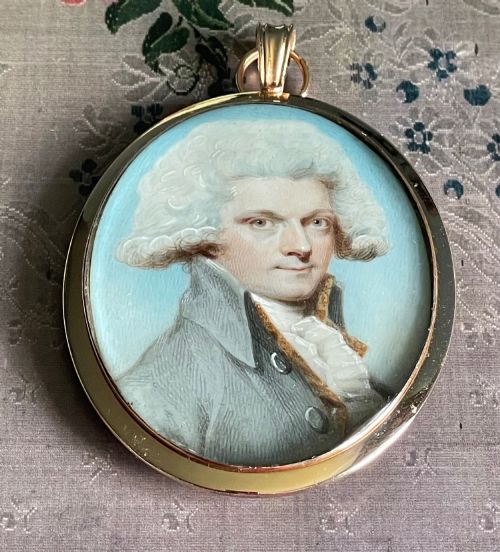
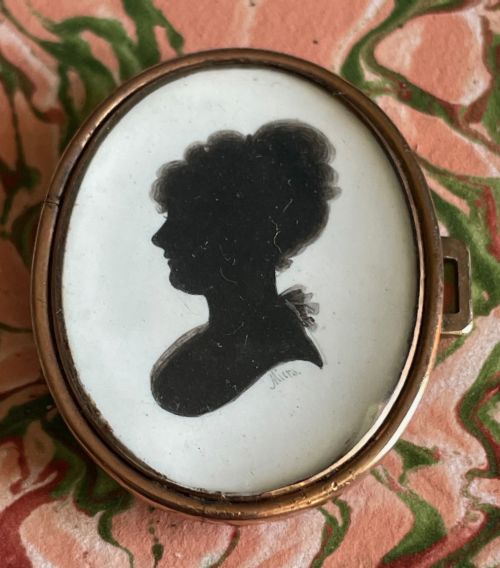
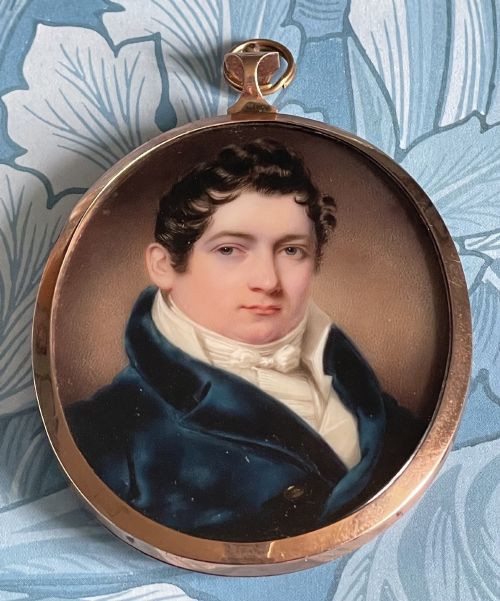
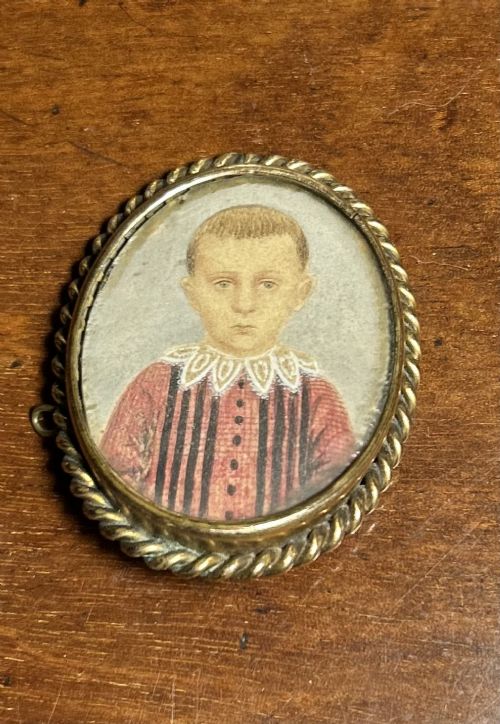
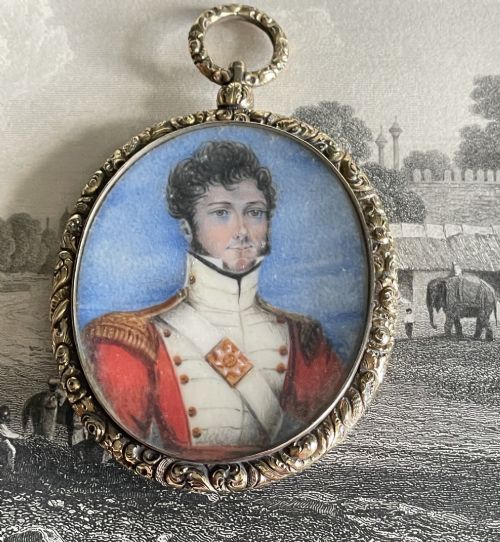
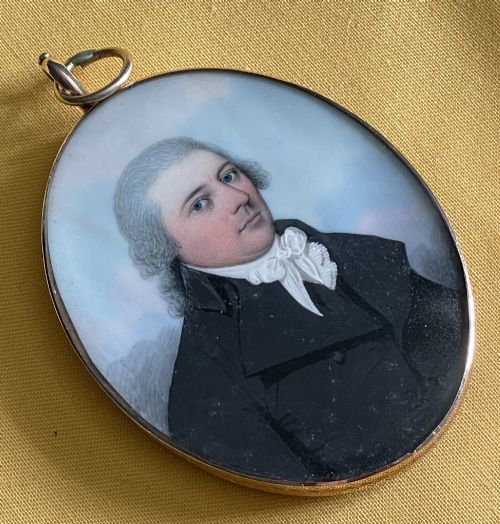
A gold pendant miniature is a small painted portrait or devotional object housed within a precious metal frame designed to be worn around the neck. The most common examples on this page date from the Georgian and Victorian eras, taking the form of portrait miniatures set into gold frames or lockets.
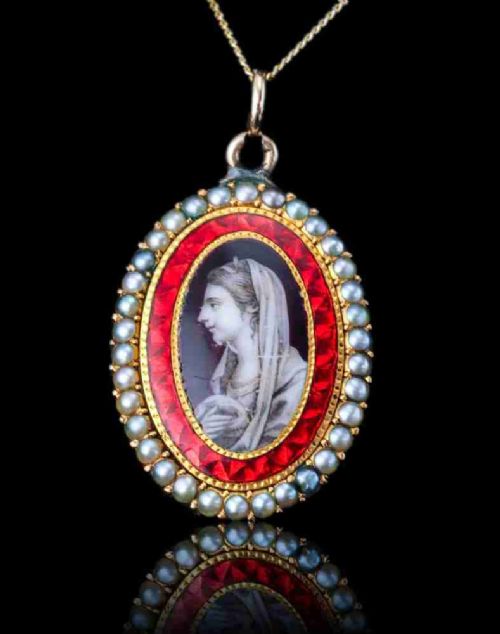
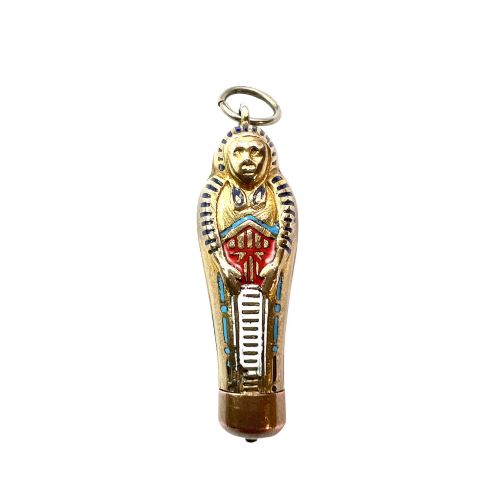
Makers produced these items to capture likenesses of family members, military officers, or naval personnel using delicate media. Alongside portraits, the selection includes related pendant forms such as enamel pieces and novelty items like a propelling pencil pendant.
The objects bridge the gap between fine art and personal jewellery, often functioning as portable memorials or tokens of affection. They appear primarily as pendant necklaces, brooches that double as pendants, or standalone framed portraits.
Materials and construction methods
Goldsmiths encased the finished artwork in frames fashioned from various purities of gold, including 9K, 14K, 18K, and 22K gold, as well as gilt metal. Many pieces incorporate additional decorative elements like pearls, glass covers, and enamel work to secure and protect the central painted panel.
The listings span from the early 18th century through the Georgian, Victorian, and Edwardian periods, employing materials like ivory, enamel, and gold.
Distinguishing quality in miniature works
Quality rests heavily upon the skill of the painter, where superior examples exhibit precise facial expression, lifelike skin tones, and meticulous rendering of lace or uniform details. Lesser works show stiffness in posture and muddy application of pigment.
The execution and substance of the metal frame also dictate standard, with heavier gold mountings and refined chased or pearl-set borders separating masterworks from simpler gilt metal or lower-carat housing.
Henry Bone ARA·Charles Shirreff·John Miers·John C D Engleheart·Frederick Buck·Charles Hayter·Christian Friedrich Zincke·William Naish·James Ferguson·George Engleheart·William Grimaldi·John Inigo Wright·Samuel Cotes·AE Chalon
The Gold Pendant Miniature Glossary
- Portrait miniature
- A small, highly detailed painting capturing a person's likeness, typically executed on ivory, vellum, or card. These portable artworks served as personal tokens or memorials during the eighteenth and nineteenth centuries.
- Enamel
- A glassy substance fused to a metal backing through high-temperature firing. In these pieces, enamel provides durable, vibrant coloured backgrounds or forms the portrait itself.
- Vellum
- A fine parchment prepared from calfskin, used as a smooth painting surface for detailed miniatures. It offers a stable ground that holds fine pigment applications over centuries.
- Agate panel
- A polished slice of natural chalcedony stone used as an alternative backing surface for miniature paintings. The stone grain often adds a decorative textural element behind the subject.
Gold Pendant Miniature: Frequently Asked Questions
How were portrait miniatures worn?
Owners typically wore these items suspended from chains as pendant necklaces or pinned directly to garments using integrated brooch fittings.
Some designs functioned in both capacities, featuring a folding loop alongside a pin mechanism on the reverse.
What materials sit beneath the paint?
Artists painted on a variety of delicate surfaces including thin slices of ivory, prepared vellum, glass, copper plates, and polished agate panels.
Ivory became particularly popular because its translucent quality imparted a realistic glow to painted flesh tones.
How do I date a gold frame?
Dating relies on stylistic shifts in metalwork, hallmarking laws of the period, and the surrounding decorative motifs such as seed pearls or black enamel.
Georgian frames often display simpler chased gold borders, while Victorian examples tend toward heavier mounts and more elaborate ornamentation.
Are these pieces signed by the artist?
Some miniatures bear the artist's signature or monogram, usually painted discreetly along the edge of the portrait or inscribed on the reverse.
Many high-quality works remain unsigned, requiring stylistic attribution based on brushwork, palette, and known portraitist records.