

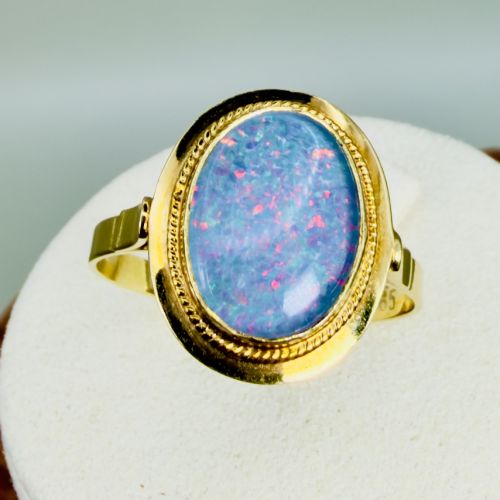
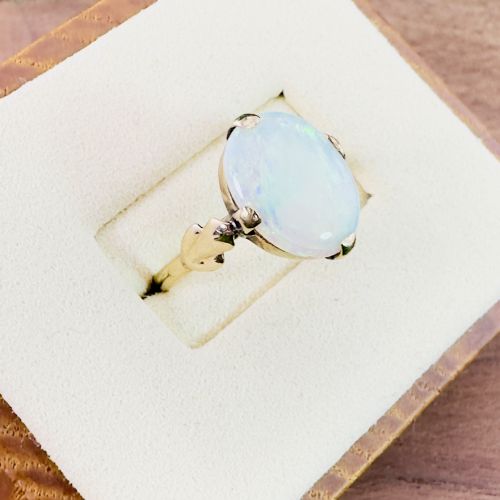
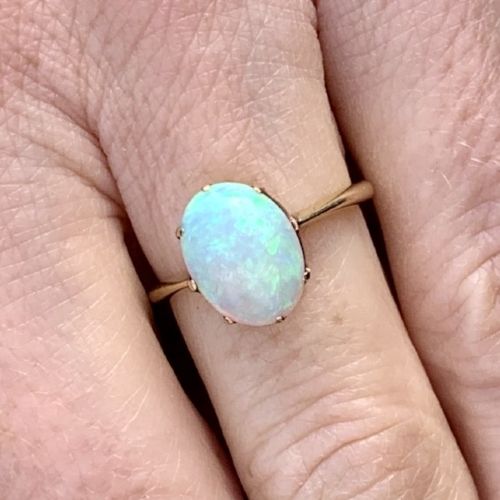
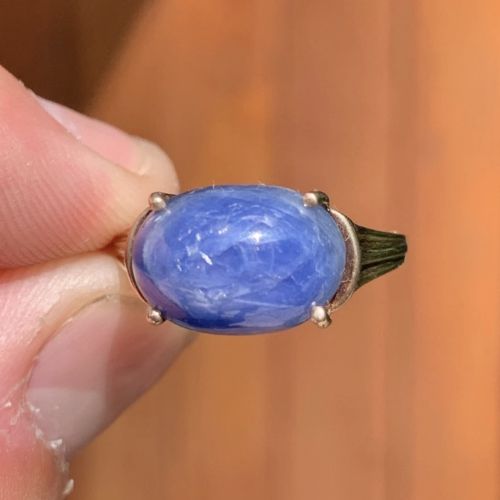
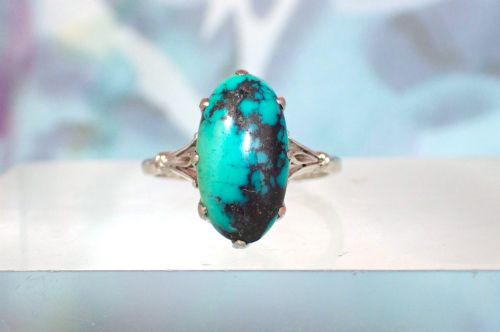
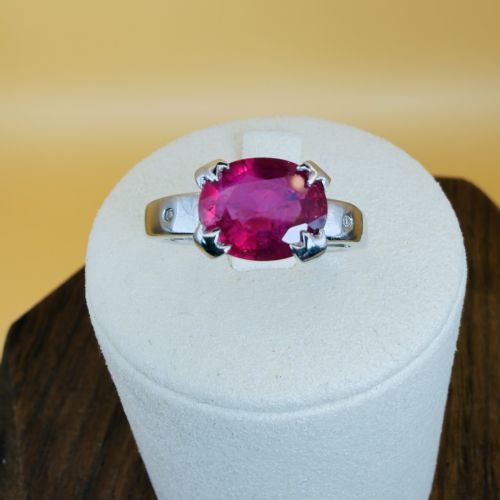
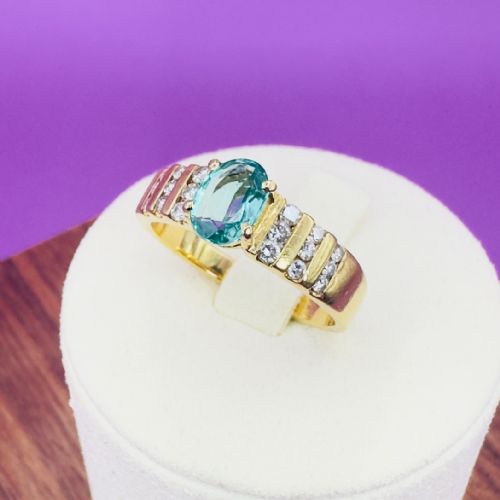

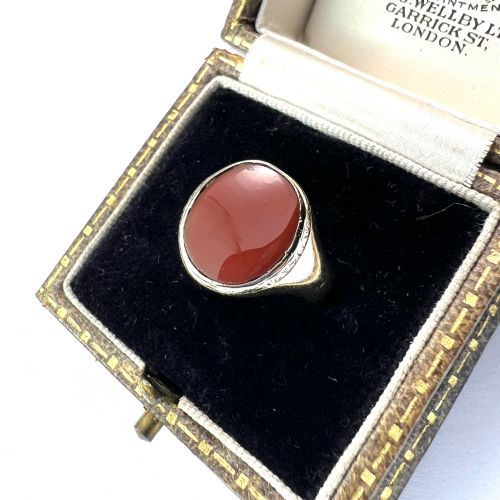
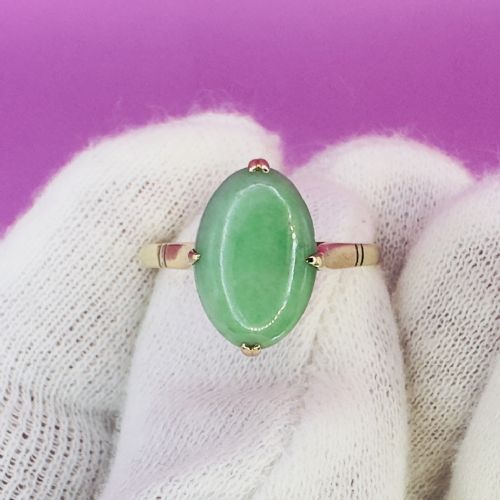


Gold Oval Solitaire Ring
A gold oval solitaire ring centres a single luminous stone in a slender band, offering timeless elegance for everyday wear.
Gold Oval Solitaire Ring
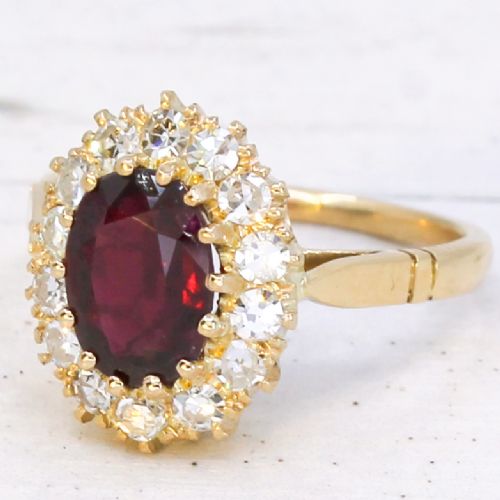
A gold oval solitaire ring focuses attention upon one prominent centre stone held securely within a precious metal band. You will encounter pieces spanning from the eighteenth century through to the mid-twentieth century, encompassing Victorian, Edwardian, and Art Deco designs.
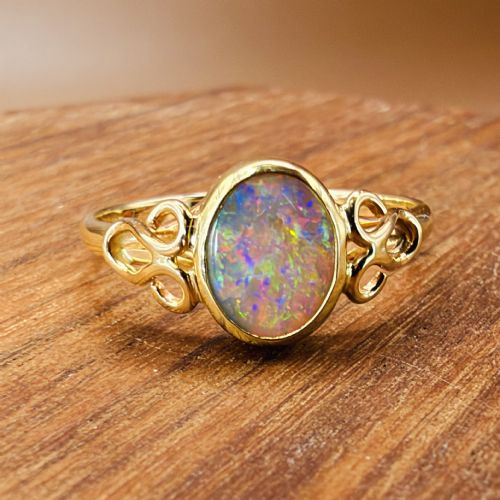
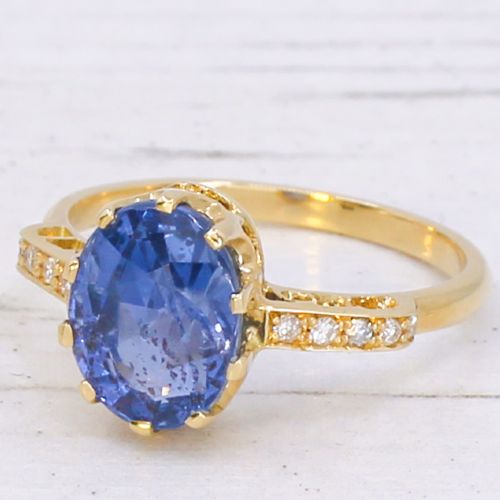
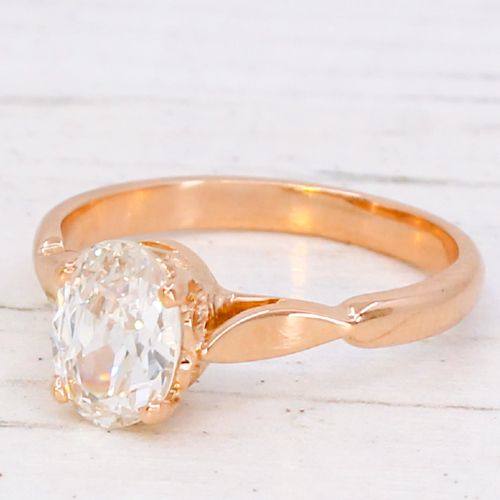
The selections on this page feature an array of principal gems, with glowing opals, vivid sapphires, and sparkling old-cut diamonds appearing most frequently. These rings bridge historical craftsmanship and enduring style, functioning as both engagement tokens and striking dress rings.
How They Were Made
Master jewellers constructed these pieces primarily in yellow or white gold, alongside platinum, utilising durable alloys suited to daily wear. Stones were shaped into soft curved ovals before being secured using traditional claw or bezel settings.
Early examples relied entirely on hand-forged techniques, whilst later mid-century pieces incorporated refined casting methods to support substantial stones like large amethysts and Ceylon sapphires.
Gold Oval Solitaire Ring Retail Price Guide 2026
Typical asking prices for gold oval solitaire ring among the pieces listed under this phrase on Sellingantiques today, from the lower quarter to the upper quarter. They describe what is for sale here now, not the wider market.
Some mid-century rings carry enough amethyst weight to double as paperweights when you take them off for washing up.
What Varies in Quality
The distinction between tiers rests upon the natural origin and optical liveliness of the principal gemstone, particularly in unheated sapphires and old-cut diamonds. Superior craftsmanship shows in the precision of the bezel or claw work, ensuring the stone sits harmoniously within the metal mount.
Weight and structural integrity of the gold or platinum shank also dictate quality, as heavier bands maintain their original proportions through decades of reshaping and daily use.
The Gold Oval Solitaire Ring Glossary
- Solitaire
- A ring featuring a single prominent gemstone rather than multiple stones. This setting draws the eye entirely to the qualities of the central gem.
- Bezel set
- A method where a thin collar of metal wraps around the perimeter of the stone to hold it securely in place. It offers a smooth profile that resists catching on clothing.
- Old oval cut
- An antique diamond faceting style characterised by softer curves and a smaller table facet than modern brilliant cuts. It produces a distinctive candlelit sparkle.
- Cabochon
- A gemstone shaped and polished with a smooth, convex domed surface rather than flat geometric facets. This cut is especially favoured for opals, jade, and star stones.
- Unheated sapphire
- A natural corundum gemstone that has undergone no artificial thermal enhancement to improve its colour or clarity. These stones are prized for their untouched geological origin.
Gold Oval Solitaire Ring: Frequently Asked Questions
How do I care for an antique opal ring?
Opals contain natural water content and require gentle cleaning using a soft cloth without harsh chemical immersion. Avoid wearing them during heavy manual tasks to protect the soft stone from sudden impacts.
Store your ring in a fabric-lined box away from extreme temperature shifts to prevent drying out or crazing of the gemstone.
What is the difference between old-cut and modern diamonds?
Old-cut diamonds feature hand-cut facets designed under candlelight, resulting in broader flashes of light rather than the uniform brilliance of modern stones. Their slightly irregular contours and high crowns reveal the individual hand of the historical lapidary.
These vintage cuts possess a warm, historic charm that aligns seamlessly with antique gold settings.
How can I tell if a sapphire is natural?
Under magnification, natural sapphires often display microscopic crystal inclusions, zoning, or silk formations that distinguish them from synthetics. Gemological certificates further verify whether a stone remains unheated or untreated.
Examining the underside of the mounting can also reveal how the stone was originally fitted by period artisans.