
Gold Ormolu Desk
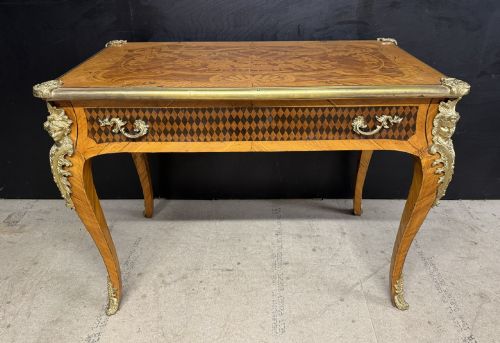
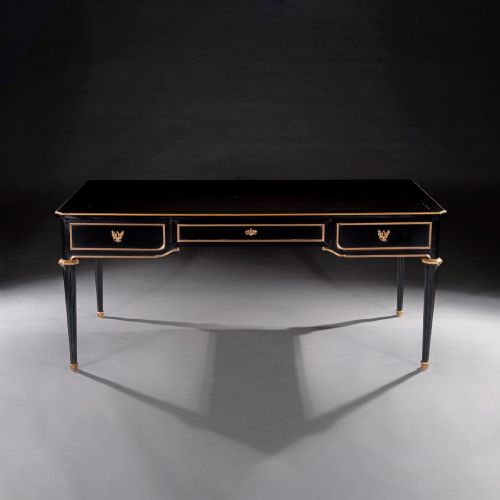
A gold ormolu desk brings the warmth of mercury-gilded bronze and fine French cabinetry straight into a study.
Gold Ormolu Desk
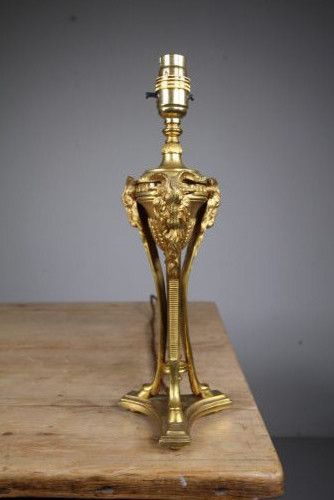
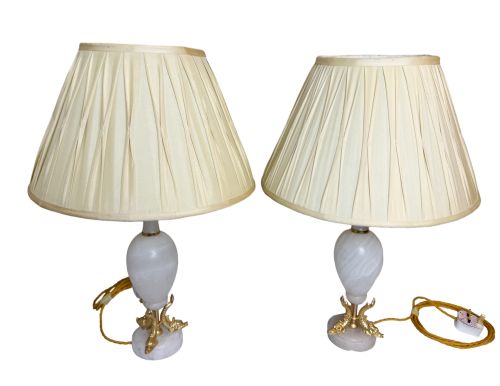
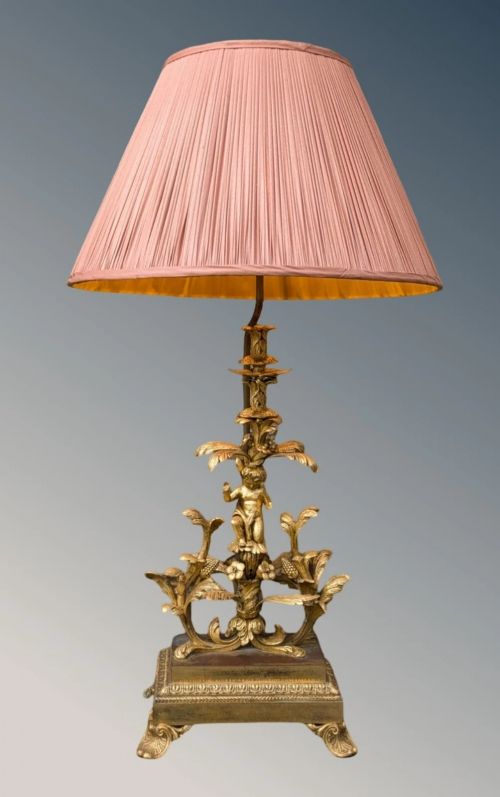
Buyers also encounter related desk accessories such as inkwells, inkstands, and table lamps bearing the same characteristic gilding. The selection leans heavily toward French workshops of the eighteen-eighties and eighteen-nineties, alongside occasional Victorian English adaptations.
How they were made
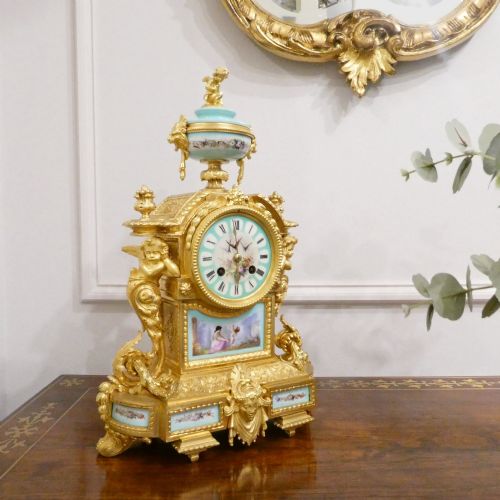
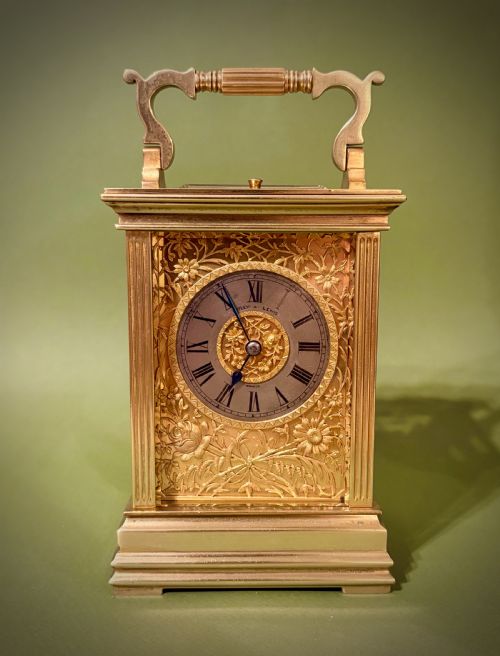
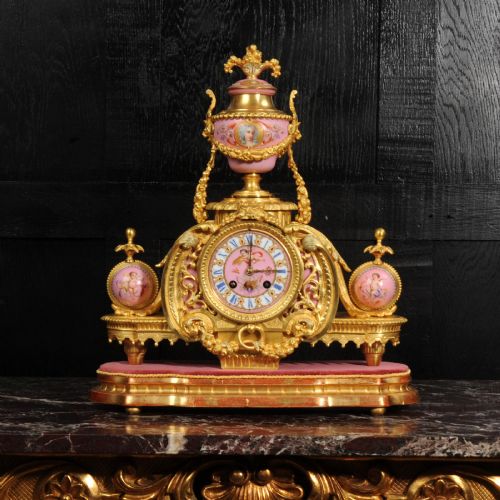
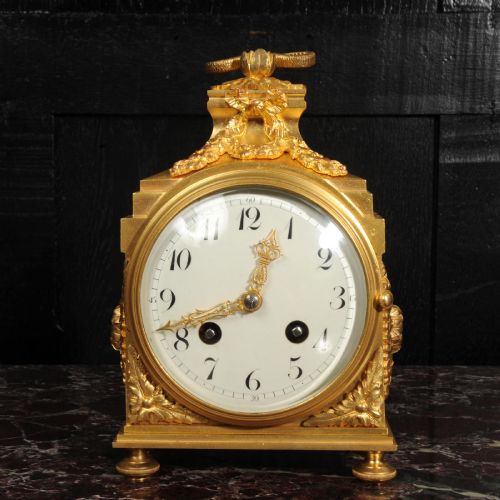
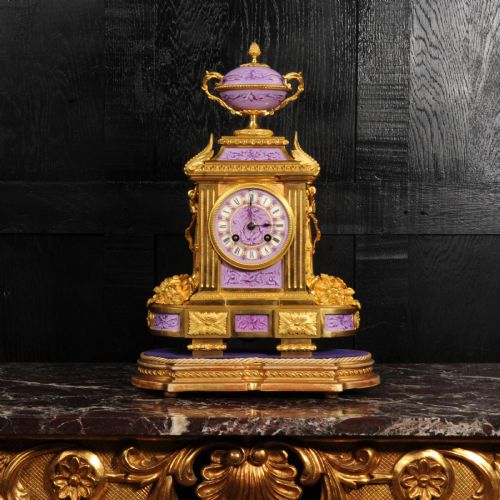
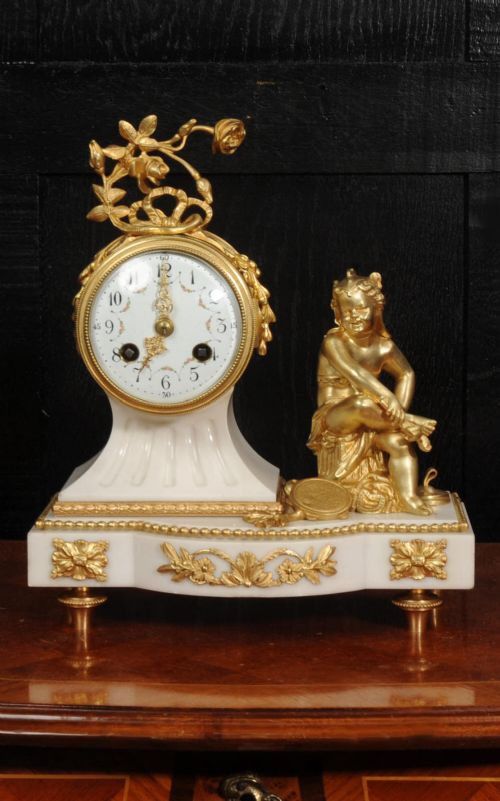
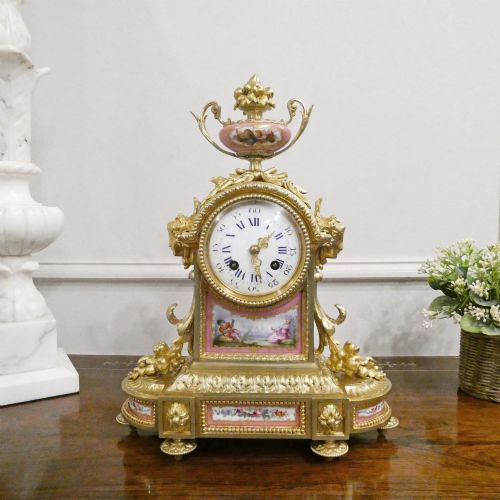
The ormolu mounts are produced by casting bronze, chasing the surface by hand to sharpen the detail, and applying a gold amalgam before firing. This traditional mercury gilding creates a deep, warm lustre that differs fundamentally from modern electroplating.
Cabinetmakers construct the carcass from dense hardwoods, often applying marquetry veneers or ebonised finishes before mounting the bronze hardware and marble or porcelain elements with precise brass screws and pins.
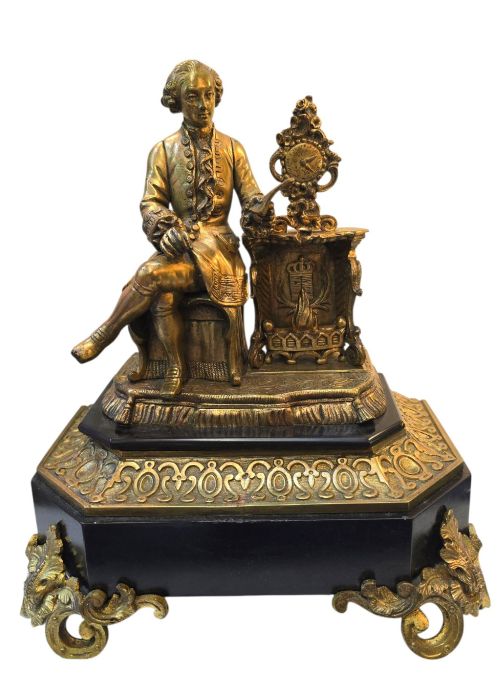
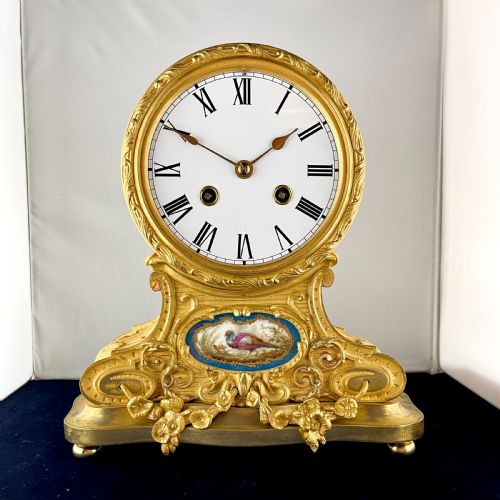
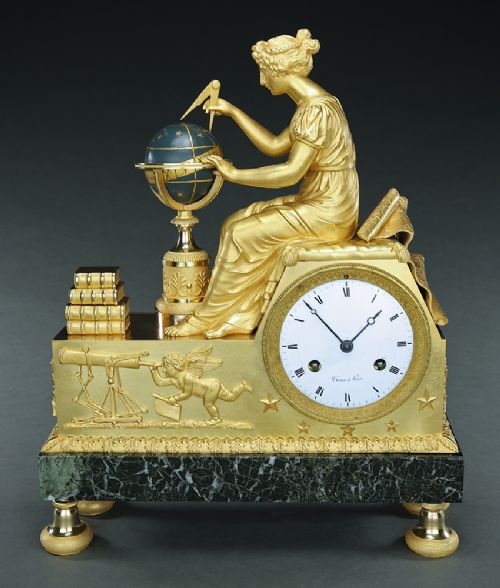
Listings feature nineteen-fifties styles alongside nineteenth-century gilt bronze lamps, marble clocks, and porcelain inkwells.
What varies in quality
Quality rests in the crispness of the bronze chasing and the depth of the hand-applied mercury gilding. Superior mounts show sharp feathering, hair, and acanthus leaf details rather than the soft edges characteristic of later sand-cast reproductions.
The standard of the timber framing and the execution of any marquetry or parquetry inlay further separate standard production pieces from those bearing the signatures of notable Parisian clockmakers and bronze-founders.
Achille Brocot·Japy Freres·Le Roy, Paris·Canaillor of Paris
The Gold Ormolu Desk Glossary
- Ormolu
- Gilt bronze created by applying a mercury and gold mixture to a bronze base and firing it to drive off the mercury. This historical technique yields a distinct matte and bright golden finish.
- Bureau Plat
- A freestanding double-sided writing table fitted with drawers, originating in France during the eighteenth century and revived extensively in the nineteenth century.
- Champleve
- An enamelling technique where troughs are dug into the metal surface and filled with vitreous enamel powder before firing. It appears frequently on nineteenth-century clock dials and desk sets.
- Marquetry
- The art of applying small pieces of wood veneer to a structure to form decorative patterns or pictorial scenes. Walnut and mahogany woods are typical supports.
Gold Ormolu Desk: Frequently Asked Questions
How do I clean ormolu mounts?
Dust gently with a soft dry brush to protect the delicate gilt surface from abrasion. Avoid all liquid polishes, chemical cleaners, and abrasive cloths, which strip away the thin layer of gold.
Should grime accumulate, use a damp cotton bud with plain water, drying the metal immediately afterwards with a soft cloth.
Are these desks suitable for daily writing?
Nineteenth-century writing tables serve well for correspondence and laptop use when protected by a suitable blotter or leather pad. The historical timber and delicate gilt mounts require care to prevent scratches on the writing surface.
Keep the piece away from direct sunlight and radiators to prevent the wood veneers and marquetry from drying and lifting.
How do I distinguish French Empire from Rococo style?
French Empire pieces favour strict symmetry, military motifs, classical columns, and architectural dignity drawn from ancient Rome. They often incorporate dark mahogany timbers with bold, restrained ormolu mounts.
By contrast, Rococo revival items embrace asymmetrical scrolls, naturalistic floral motifs, and curving cabriole legs inspired by nature.