





Gold Leaf Vessels
Gold leaf vessels bring striking metallic luminescence to interiors, uniting centuries of hand-applied gilding with ceramic, glass and enamel forms.
Gold Leaf Vessels
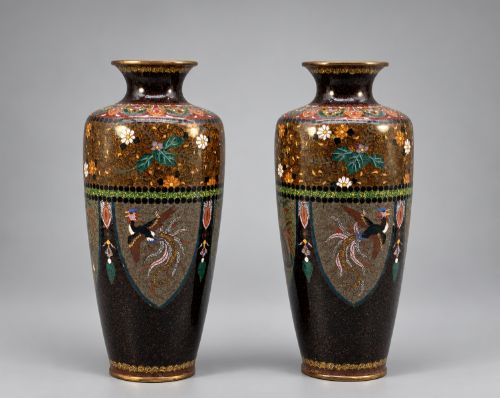
When seeking gold leaf vessels, buyers encounter a diverse selection of decorative items spanning the nineteenth and early twentieth centuries. The current offerings encompass everything from Japanese Meiji period cloisonne enamel and Satsuma wares to European porcelain ewers, apothecary jars and Bohemian glass.
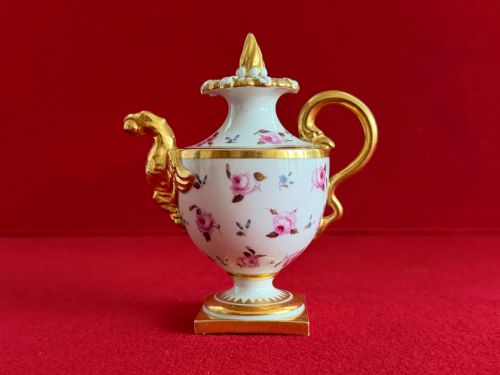
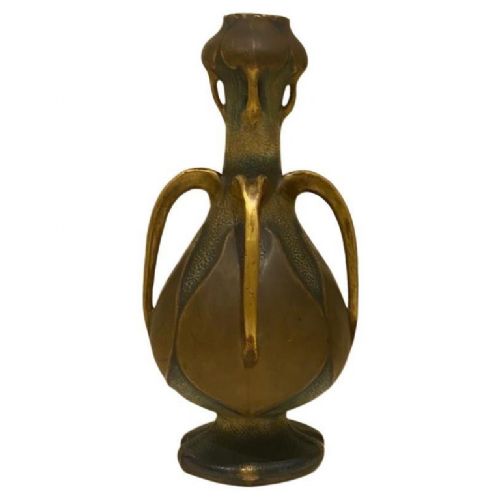
The selection ranges across Victorian, Art Nouveau, Regency and Aesthetic Movement styles, alongside specific pieces from notable makers such as Flight, Barr and Barr, Tunnicliffe, Kinkozan, Paul Dachsel and Royal Worcester. These items take the form of vases, bowls, jardiniere and chocolate cups, all featuring various forms of gilding or leaf application.
Vessels from this range vary from large monumental decorative bowls to intimate rose water sprinklers and apothecary jars. The materials recorded alongside gold leaf include porcelain, glass, earthenware, enamel, cloisonne enamel and bronze, reflecting broad global manufacturing traditions.
How they were made
Makers utilised traditional techniques involving the application of delicate gold leaf or rich gilding onto surfaces of porcelain, glass, bronze and earthenware. Ceramic bodies were shaped, fired and painted by hand before metal leaf was meticulously laid onto decorative motifs or borders.
Enamel works combined metal wire cloisonne methods with coloured pastes and gold accents, fused through multiple kiln firings. Glass pieces relied on engraving and applied gilding, while earthenware and porcelain vessels integrated hand-painted scenes with raised or flat gold leaf details.
Gold Leaf Vessels Retail Price Guide 2026
Typical asking prices for gold leaf vessels among the pieces listed under this phrase on Sellingantiques today, from the lower quarter to the upper quarter. They describe what is for sale here now, not the wider market.
Listings feature items spanning the Regency period, Victorian era, and early twentieth century up to nineteen twenty.
What varies in quality
Quality separates through the precision of the hand application and the complexity of the underlying medium, whether hand-painted porcelain or intricate cloisonne wirework. Superior examples display crisp detail in pictorial scenes and robust adherence of the gold leaf across curved surfaces.
The reputation of the workshop or maker heavily influences the standing of a piece, with established factories and named artists demonstrating superior artistic execution. Condition of the delicate gilding and the integrity of the base material further distinguish standard decorative items from exceptional ones.
Flight Barr And Barr·Kinkozan Kyoto Satsuma·Paul Dachsel Amphora·Royal Worcester·Tunnicliffe
The Gold Leaf Vessels Glossary
- Gilt
- Covered thinly with gold leaf or gold paint. This technique adds reflective metallic highlights to ceramic, glass or wooden surfaces.
- Cloisonne
- Enamel work in which coloured areas are separated by thin strips of metal welded to the base. Artisans fill these compartments with enamel paste before firing.
- Satsuma
- Japanese pottery traditionally featuring a crackled ivory-coloured glaze decorated with polychrome enamels and rich gilding. These wares gained prominence during the Meiji period.
- Ewer
- A large jug with a wide spout, traditionally used for holding water or wine. Many nineteenth century examples served purely decorative functions.
- Jardiniere
- An ornamental pot or stand designed to hold a plant or floral arrangement. These substantial vessels often sit prominently on pedestals or tables.
Gold Leaf Vessels: Frequently Asked Questions
How do I clean gold leaf vessels safely?
Dust these delicate surfaces gently using a soft, dry brush without applying liquid cleaners or chemical agents.
Moisture can seep beneath worn edges of the leaf, causing further lifting or degradation over time.
Are these items suitable for holding water?
Most antique decorative vessels function primarily as ornamental display pieces rather than practical containers.
Putting water inside older ceramics or glass items can risk damaging interior glazes and historic gilding.
How do I identify a Meiji period piece?
Meiji period items often feature distinct Japanese motifs such as samurai battles, mon emblems, or phoenixes rendered in cloisonne.
These pieces typically date from the late nineteenth or early twentieth century and reflect traditional craftsmanship.
What is the difference between gilt and gold leaf?
Gold leaf involves hammering gold into extremely thin sheets which are then applied to surfaces with adhesive.
Gilt is a broader term that can include leaf application as well as liquid gold paints or gold washes.