



Gold Leaf Oval Portrait
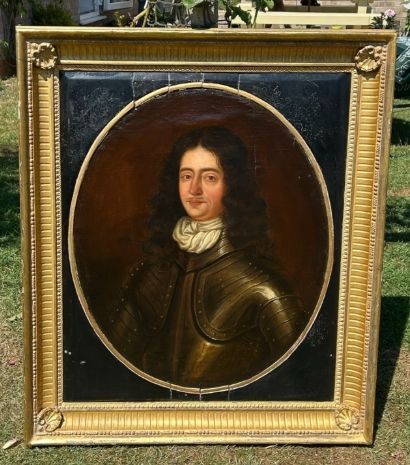
These gold leaf oval portrait pieces combine classical likenesses with ornate gilded borders, bringing historic character to interior walls.
Gold Leaf Oval Portrait
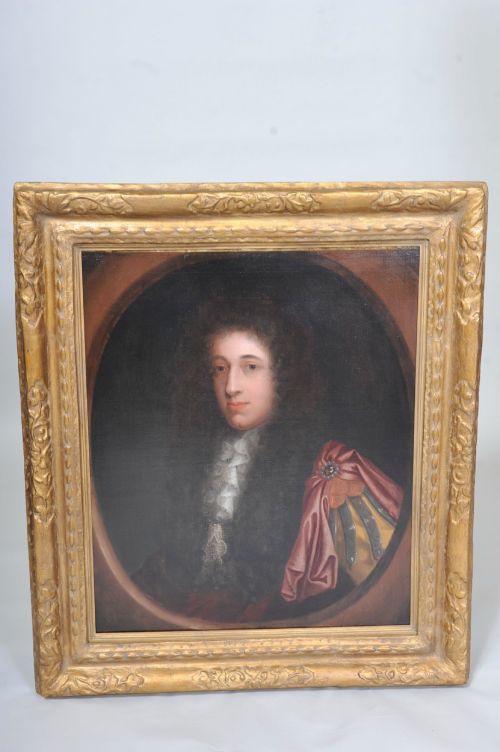
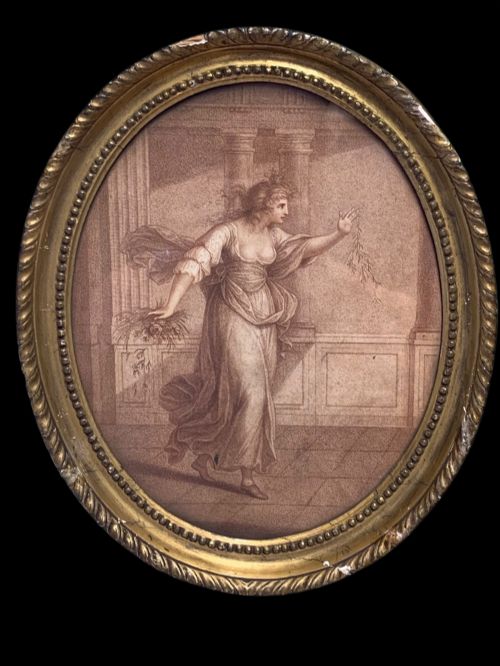
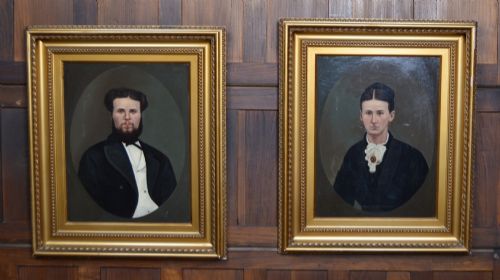
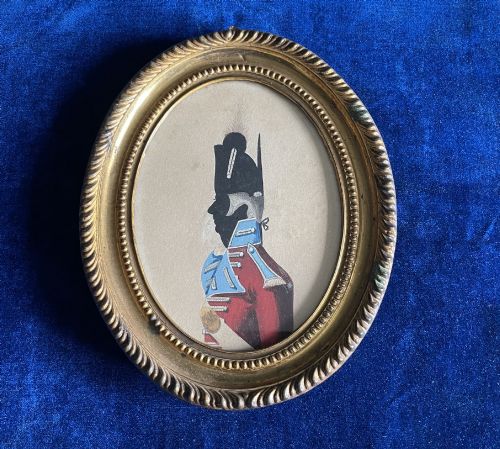
A gold leaf oval portrait search leads to historic likenesses and framing enclosing faces from past centuries. Buyers encounter oil paintings, portrait miniatures, pastels, watercolours, stipple engravings and drawings shaped in curved formats.
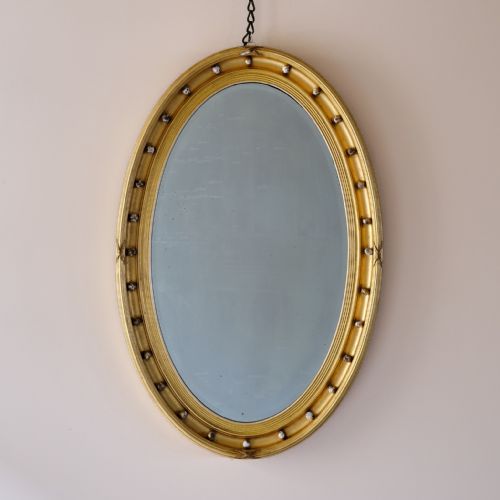
The selection spans periods from the seventeenth century through to the Edwardian era, incorporating Georgian and Victorian works alongside European and English school pieces. Forms range from intimate miniatures on stands to large framed canvases and decorative mirrors.
Subjects include nobility, gentlemen, children and elegant females, executed by named artists, circle members and anonymous hands alike. Buyers most frequently meet eighteenth and nineteenth-century oils and framed prints within this grouping.
Materials and construction methods
Makers built these pieces using oil paint, watercolour, pastel or charcoal on canvas, paper or panel. Canvases and drawings were mounted behind glass or set into dedicated surrounds.
Frames and mounts utilise carved wood, gesso and giltwood finished with gold leaf. Gilt metal stands and brass housings appear on smaller portable portrait miniatures.
Craftsmen shaped wooden surrounds into curved profiles, applying layers of gesso before gilding the surface to create reflective metallic borders.
The listings include works from the seventeenth, eighteenth and nineteenth centuries alongside early twentieth-century examples.
Assessing quality in gold leaf oval portrait items
Execution of the subject sets standard differences, separating skilled portraiture with realistic facial depth and expression from simpler decorative likenesses. Handling of light and pigment in oils or delicate mark-making in miniatures dictates artistic standing.
Application of the gilded surface defines framing standard. Deeply moulded gesso work, crisp carving in wood and intact original leaf denote superior workshop production compared to simpler or later substitute surrounds.
James Sharples·Sir Godfrey Kneller·George Hargreaves·Ozias Humphry·Robert Kemp
The Gold Leaf Oval Portrait Glossary
- Giltwood
- Wood carved and coated with gold leaf or gold paint. This technique creates a bright metallic finish popular on historic frames and mirrors.
- Gesso
- A plaster mixture applied to wood frames as a base for gilding. Skilled artisans mould this substance into intricate decorative relief patterns.
- Portrait miniature
- A small-scale painting executed with fine detail. These works were often housed in protective cases or stands.
- Stipple engraving
- A printmaking method using dots to build tone and form. This technique was used to reproduce portraits on paper.
- Baroque
- An ornate artistic style spanning the seventeenth and early eighteenth centuries. Pieces from this period exhibit dramatic movement and rich ornamentation.
Gold Leaf Oval Portrait: Frequently Asked Questions
What periods do these portraits cover?
The available selection spans from the seventeenth century through the Georgian and Victorian eras up to early twentieth-century examples.
Individual pieces reflect the artistic conventions and portraiture styles of their specific century of creation.
How were these frames constructed?
Makers shaped wood into curved outlines, applying gesso layers before adding gold leaf to achieve a reflective metallic finish.
Some pieces pair oil paintings or prints with their original ornate gilded surrounds, while others utilise brass or gilt metal.
What subjects appear in these works?
Depicted subjects include gentlemen, noble figures, children and elegant females captured in profile or three-quarter views.
Works range from formal oil paintings of historic figures to watercolour studies and charcoal drawings.