
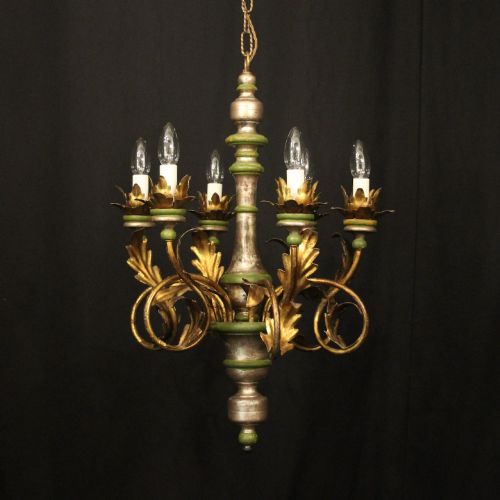
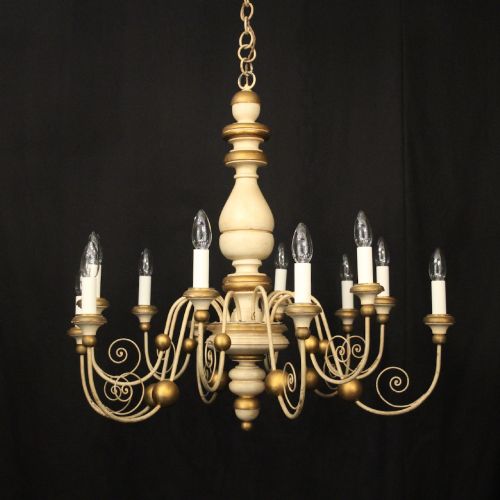
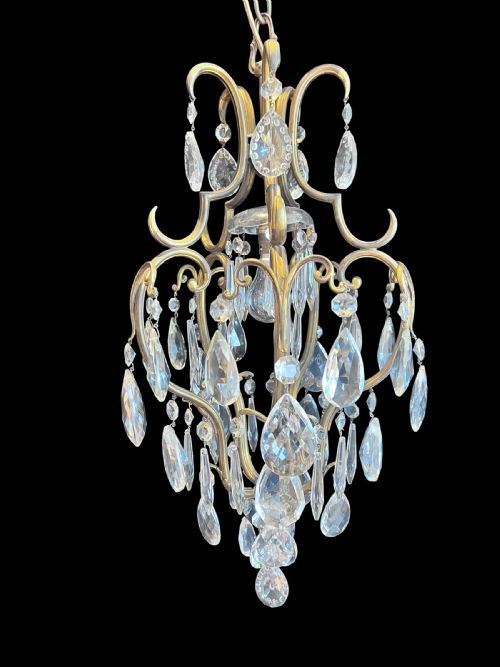
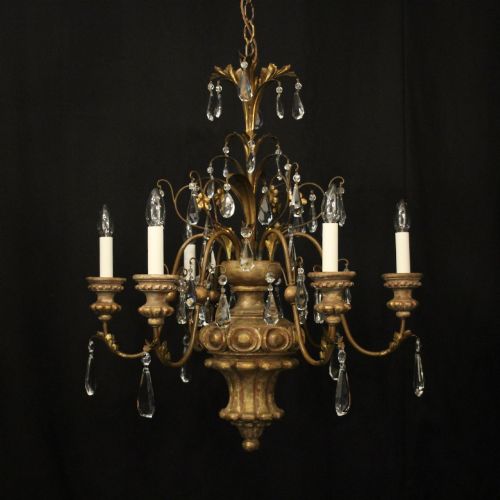
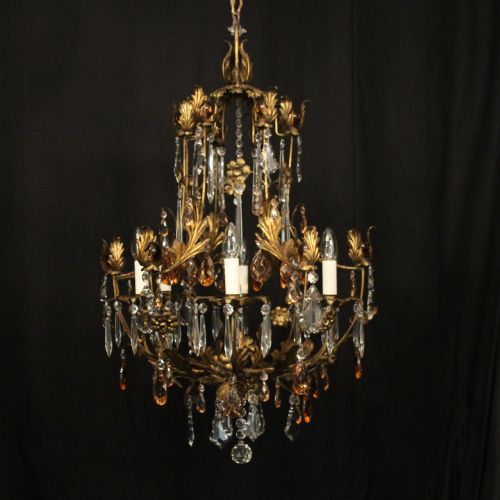
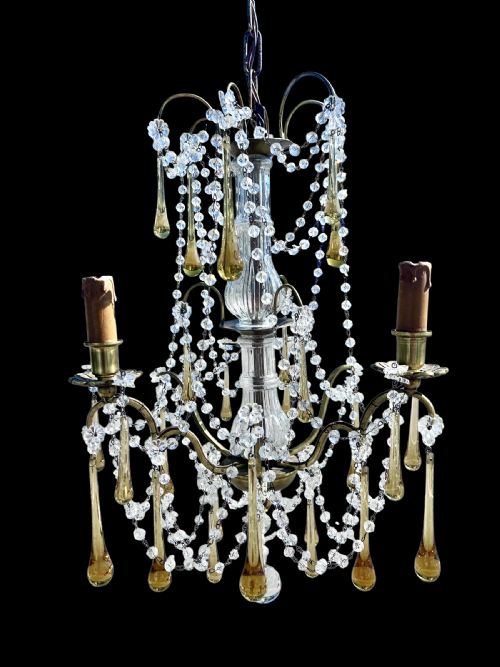
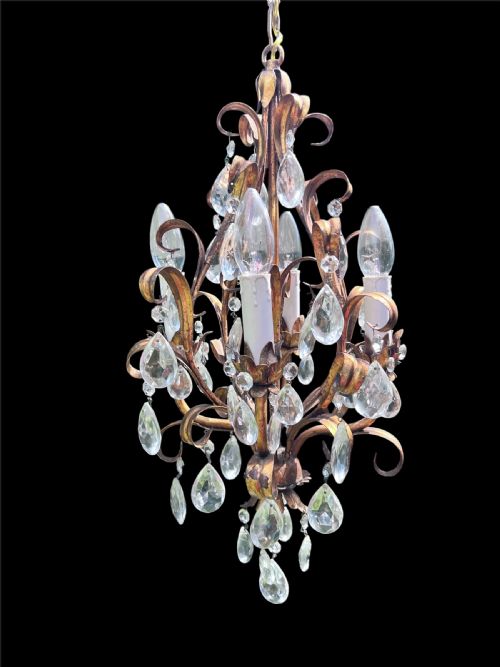
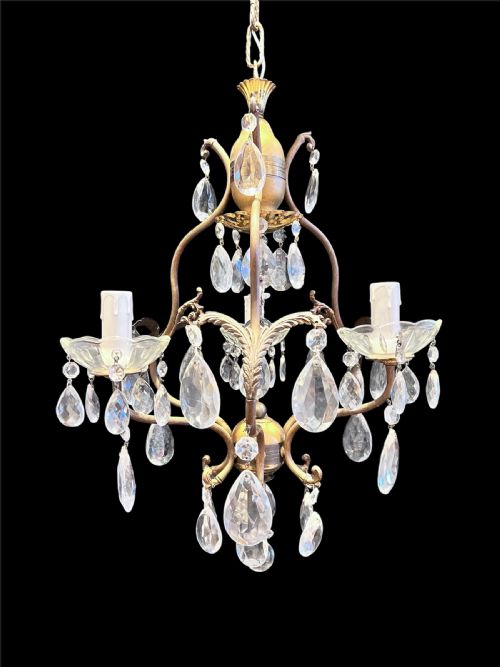


Gold Italian Chandelier
A gold italian chandelier brings warmth and grandeur to a room, offering a focal point shaped by centuries of decorative lighting traditions.
Gold Italian Chandelier
A gold italian chandelier represents a striking category of lighting fixtures designed to illuminate spaces while adding ornamental splendour. When you search for a gold italian chandelier, you encounter items intended to serve as the centrepiece of a room.
The pieces listed on this page predominantly showcase Florentine and Baroque styles, originating across periods spanning from the eighteenth century through to the 1930s. These fixtures appear primarily as multi-light chandeliers, alongside hanging lanterns, ceiling lights, wall lights, and pendant lights.
Buyers most frequently meet twentieth-century examples, particularly from the 1920s and 1930s, reflecting the enduring popularity of Florentine design. These items combine traditional forms with intricate metalwork and glass elements.
How they were made
Makers shaped these fixtures using metals and wood, applying surface finishes such as giltwood, gesso, polychrome paint, and silver gilding. These techniques provided the characteristic golden sheen associated with the regional aesthetic.
Artisans integrated glass and crystal components, including coloured crystals, glass drops, and beaded garlands, to refract light across the room. Brass and wrought iron frequently formed the structural frames supporting these decorative elements.
Some chandeliers incorporate whimsical touches like coloured fruits hanging among the crystal drops.
What varies in quality
The refinement of the carving and the complexity of the frame construction distinguish different tiers of these fixtures. Hand-carved giltwood and detailed floral or leafy ornamentation indicate superior craftsmanship compared to simpler moulded designs.
The abundance and clarity of the crystal drops, beaded strands, and glass components alter the overall brilliance of the piece. Larger double-tiered configurations with numerous lights demand more intricate engineering to support the weight of the metal and glass.
The Gold Italian Chandelier Glossary
- Florentine
- A decorative style originating from Florence, characterised by ornate carved wood, floral motifs, and gilded surfaces. This aesthetic appears frequently in antique lighting from the region.
- Giltwood
- Timber treated with gold leaf or gilt paint to simulate solid gold. It provides a luminous surface finish for carved chandeliers and wall lights.
- Gesso
- A plaster-based material applied to wood surfaces to create a smooth base for gilding and painting. It allows artisans to shape intricate relief details before applying gold leaf.
- Polychrome
- A method of decorating surfaces in multiple colours, often combined with gilding on Florentine fixtures. This technique enhances the visual depth of floral and carved elements.
- Capodimonte
- A porcelain type associated with Italian decorative arts, occasionally incorporated into specific lighting designs. It introduces delicate ceramic details to the metal framework.
Gold Italian Chandelier: Frequently Asked Questions
How do I hang a heavy chandelier?
Suspension requires securing the fixture directly to a ceiling joist or using a rated structural anchor capable of supporting the total weight. Professional installation ensures the electrical wiring and the hanging chain meet safety standards.
Larger double-tiered designs demand particularly robust fixings due to the combined weight of the metal frame, glass drops, and numerous light fittings.
What periods do these chandeliers come from?
The available selection spans from the eighteenth century up through the nineteenth century and into the early decades of the twentieth century, specifically covering the 1900s, 1910s, 1920s, and 1930s.
Earlier pieces often feature hand-carved giltwood elements, while twentieth-century examples frequently showcase Florentine floral motifs and extensive crystal beadwork.
How do I clean crystal and glass drops?
Maintenance involves gently wiping individual glass and crystal components with a soft cloth dampened in a mild solution of warm water and vinegar. Removing the pieces is rarely necessary if you clean them carefully in place.
Allowing the fixture to dry completely before restoring power prevents moisture damage to the internal wiring and metal frames.
Are these fixtures suitable for low ceilings?
Standard chandeliers with multiple tiers and long drop chains suit rooms with high proportions better than low spaces. Selecting a flush-mount ceiling light or a wall light variant provides adequate illumination without obstructing headroom.
Checking the overall height dimensions listed for each piece helps determine the correct clearance for your specific room.