



Gold Gilt Tray
A gold gilt tray brings reflective surface and decorative detail to a room, drawing on periods from the Regency era through to the mid-twentieth century.
Gold Gilt Tray
When you search for a gold gilt tray, you encounter items designed for serving, display, or support across various historical periods. The inventory spans nineteenth-century papier-mâché pieces, Edwardian lacquer ware, and porcelain items with gilded mounts.
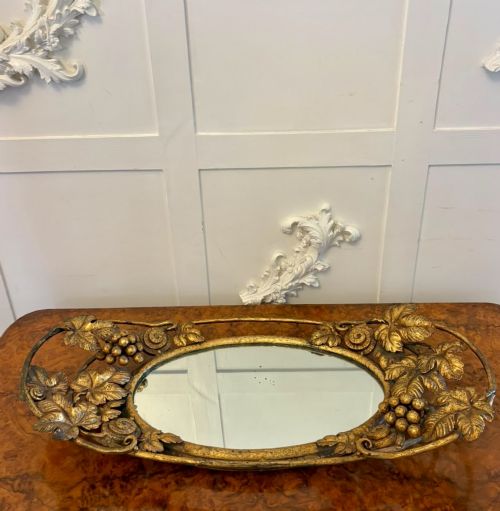
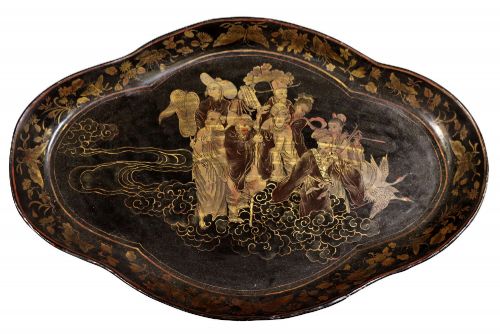
Serving trays, cabinet dishes, and occasional tables dominate the selection, often combining painted decoration with metallic leaf or bronze mounts. These objects reflect influences ranging from Chinoiserie and Rococo Revival to traditional English and Japanese aesthetics.
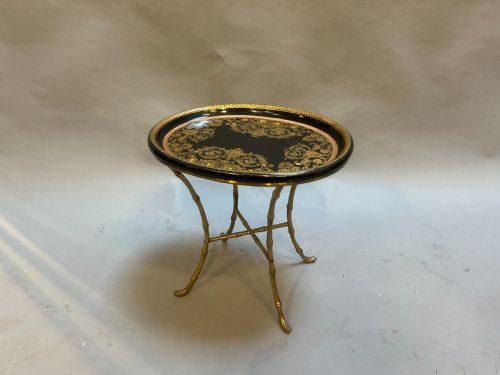
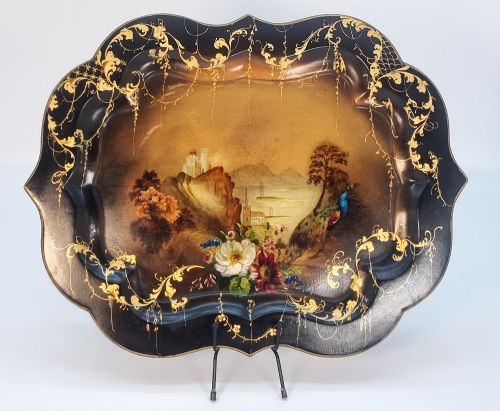
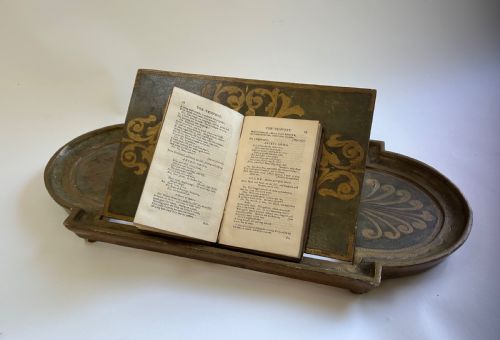
Originating from English, French, Italian, and Japanese workshops, the items include both flat serving surfaces and elevated tray tables. Papier-mâché examples frequently sit upon custom stands, transforming utilitarian items into occasional furniture.
Materials and Construction
Makers utilised papier-mâché, wood, and porcelain as foundational bases, applying layers of lacquer, enamel, or oil paint. Surface ornamentation relied heavily on gold leaf, gilt bronze, and ormolu to create metallic highlights and reflective borders.
Techniques combined hand painting with structural framing in brass, gilt metal, or wood. Lacquered items required meticulous building of surfaces, while porcelain pieces involved detailed ceramic painting and subsequent gilding.
Gold Gilt Tray Retail Price Guide 2026
Typical asking prices for gold gilt tray among the pieces listed under this phrase on Sellingantiques today, from the lower quarter to the upper quarter. They describe what is for sale here now, not the wider market.
Listings feature papier-mâché, porcelain, lacquer, and gilt bronze spanning the eighteenth to the twentieth century.
Markers of Quality
The standard of execution in hand painting separates standard examples from exceptional ones, particularly visible in floral or figural compositions. Crispness in the chasing of gilt bronze mounts and the depth of the lacquer finish indicate workshop competence.
Structural integrity of the base material, whether papier-mâché or wood, influences durability and refinement. Well-preserved gilding without extensive modern retouching retains the visual integrity intended by the maker.
Jennens And Bettridge·Royal Worcester·Royal Doulton·A Marionnet·John Robert Dicksee
The Gold Gilt Tray Glossary
- Papier-mâché
- A composite material made from paper pulp or sheets of paper mixed with glue and resin, pressed and dried into a rigid form. It provides a lightweight yet durable base for lacquered and gilded trays.
- Gilt bronze
- Copper alloy cast and finished with a layer of gold amalgamation or leaf, known also as ormolu. It appears frequently as decorative mounts on furniture, dishes, and centrepieces.
- Cabinet dish
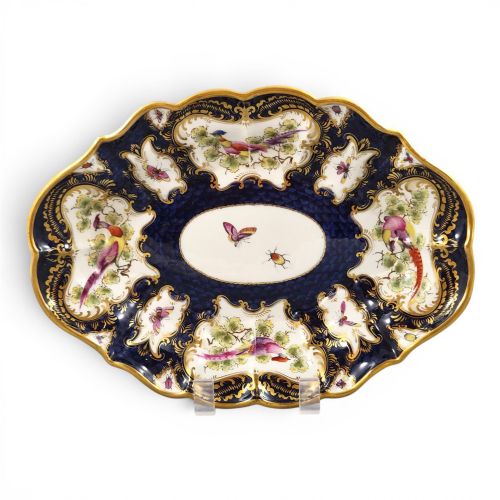
- A decorative ceramic plate intended for display in a cabinet or on a stand rather than for dining use. These pieces often showcase hand-painted botanical or figural scenes.
- Lacquer
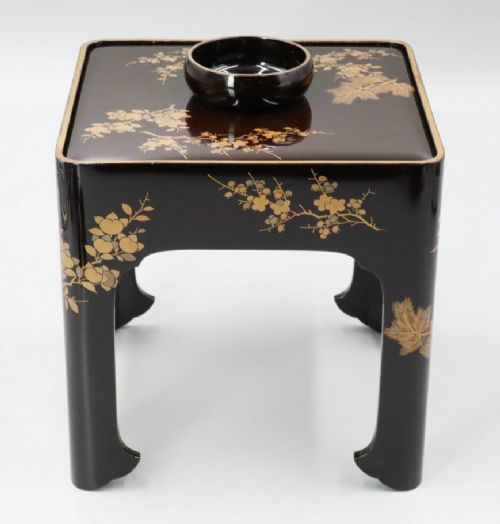
- A durable finish applied in multiple layers to wood or papier-mâché, then polished to a smooth gloss. Japanese and English makers utilised this technique to create rich decorative surfaces.
Gold Gilt Tray: Frequently Asked Questions
How were papier-mâché trays used historically?
Papier-mâché trays served primarily for carrying tea sets, glasses, or correspondence in domestic interiors. Their lightweight yet sturdy construction made them practical for movement around formal rooms.
Over time, many of these trays were mounted onto wooden stands to function as permanent occasional tables or coffee tables within a drawing room setting.
What is the difference between a cabinet dish and a serving dish?
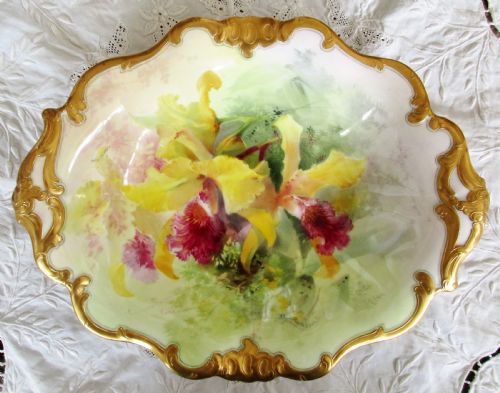
Cabinet dishes are purely decorative ceramics intended for visual display in cabinets or on walls, frequently featuring detailed hand-painted subjects like orchids or fruit. Serving dishes are heavier, functional items designed for presenting food at the table.
While both may incorporate gilding or painted decoration, cabinet dishes prioritize artistic execution over utilitarian durability.
How do I care for antique gilded surfaces?
Antique gilded surfaces require gentle dusting with a soft, dry cloth to prevent abrasion of the delicate metallic leaf. Avoid liquid cleaners, chemical sprays, and excessive handling that can wear away the finish.
Keep pieces away from direct sunlight and high humidity to protect underlying woods, papier-mâché, or lacquered layers from warping.
How can I distinguish Regency papier-mâché from later Victorian pieces?
Regency pieces often display leaner profiles and specific lacquer formulations associated with prominent nineteenth-century makers. The painted motifs typically align with classical or early Chinoiserie revivals characteristic of the period.
Victorian and later iterations frequently adopt more exuberant Rococo Revival curves or heavier floral decoration, reflecting shifting aesthetic preferences across the nineteenth century.