

Gold Gilt Sculptures
Gold gilt sculptures bring metallic lustre to interiors through cast bronze, carved wood and polished stone worked in European and Asian traditions.
Gold Gilt Sculptures
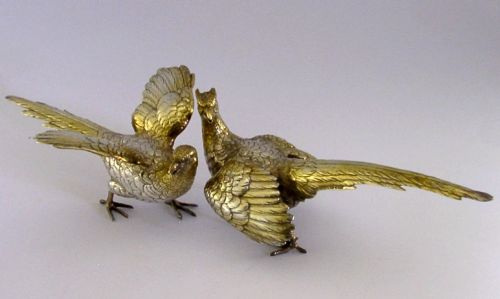
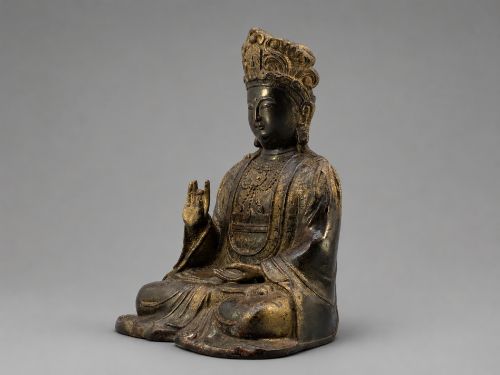
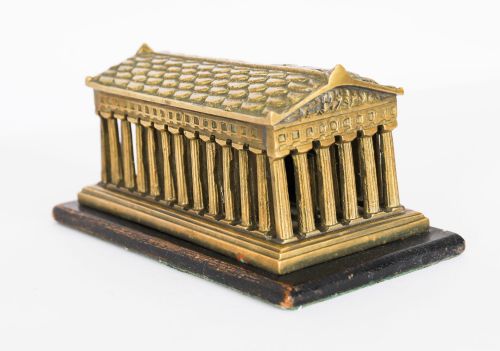
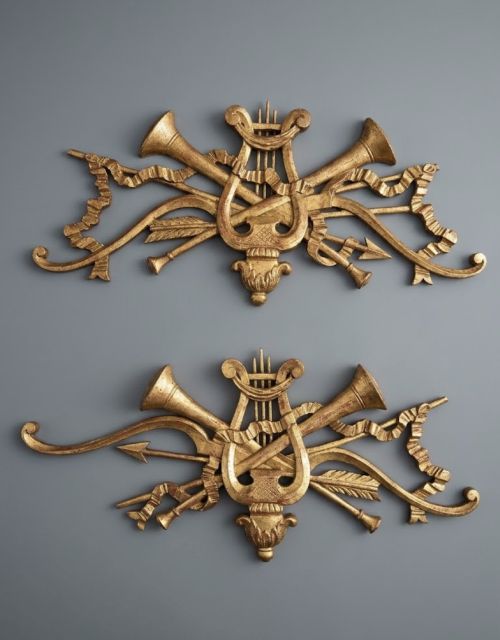
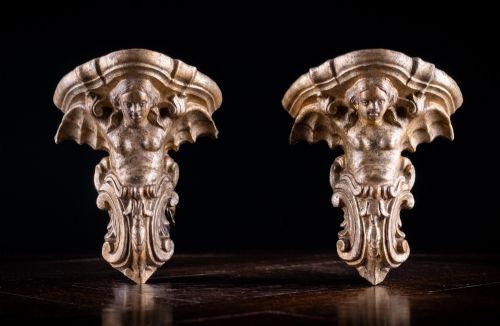
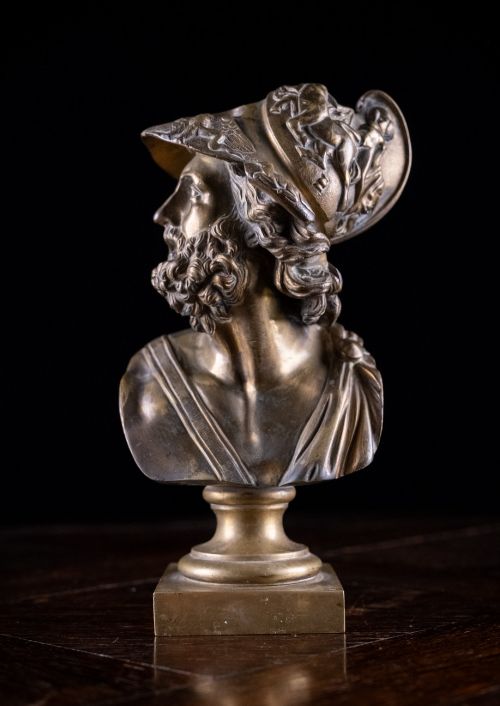
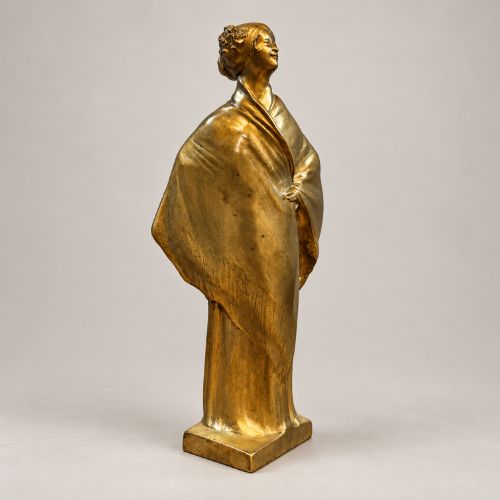
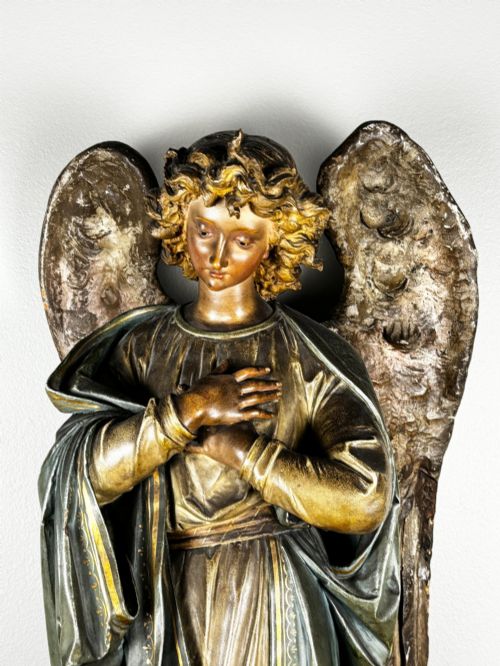
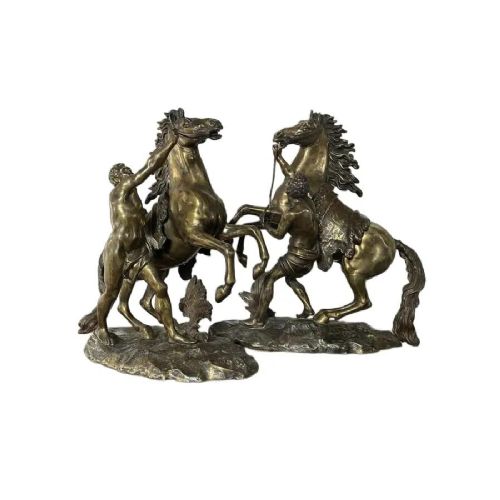
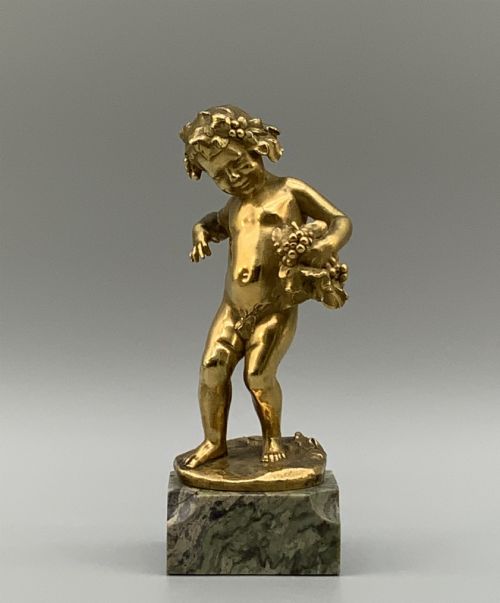
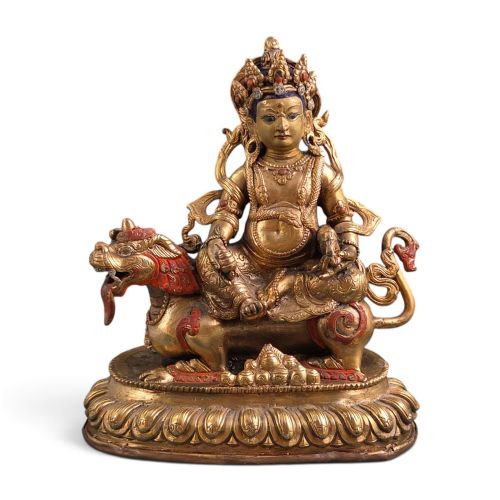
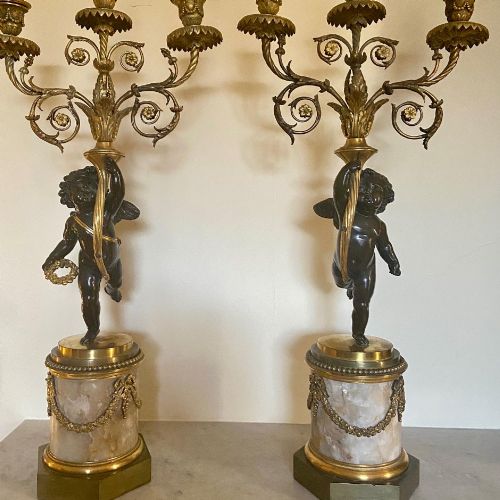
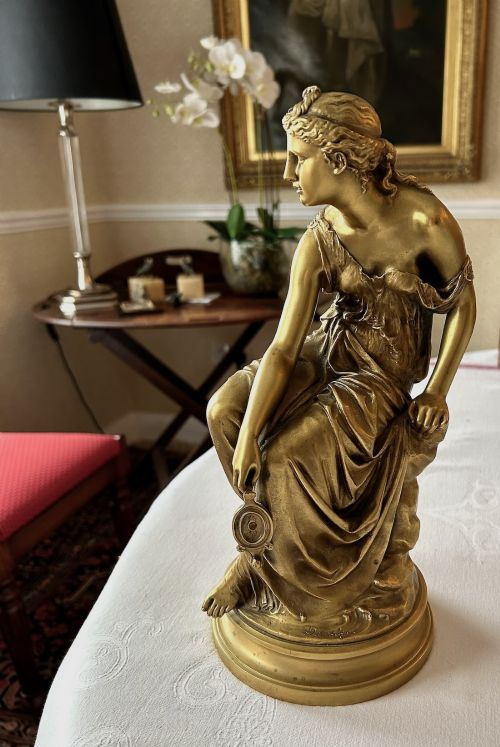
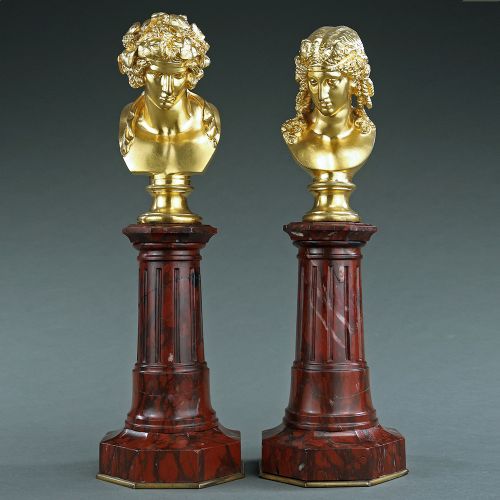
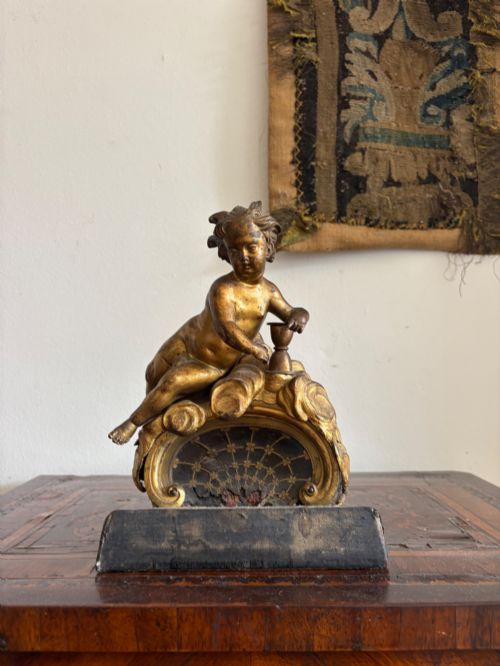
Gold gilt sculptures encompass cast metal figures, carved wooden devotional pieces, and architectural ornaments finished with gold leaf, ormolu, or gilt bronze. When searching for gold gilt sculptures, collectors encounter works ranging from small Grand Tour bronze figures and French mantle pieces to Sino-Tibetan Buddhist deities.
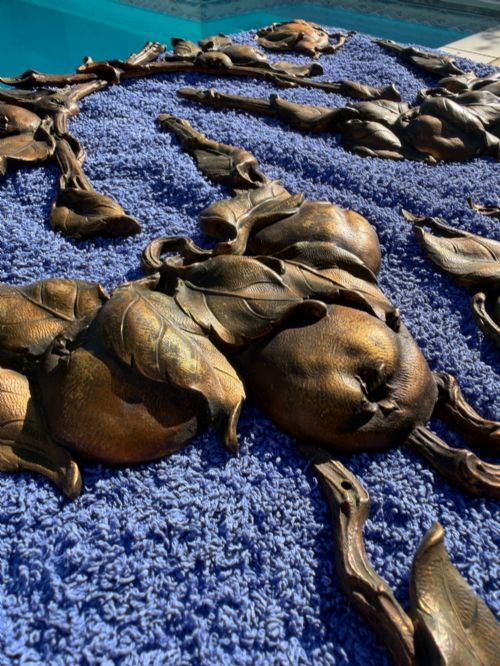
The selection includes 18th-century and 19th-century European statuary alongside earlier Asian cast figures, architectural fragments like carved angel wings, and functional items such as inkstands and candelabra mounts. French classical subjects, Neoclassical figures, and Art Deco dancers sit alongside religious iconography from various periods.
How they were made
Metal sculptures rely on the lost-wax casting method for bronze or brass, followed by fire-gilding with a mercury and gold amalgam or the application of gold leaf over preparation layers. Ormolu work requires meticulous chasing of the cast bronze surface to create sharp detail before the golden finish is applied.
Wooden items utilise carved timber, often gessoed and gilded to receive gold leaf, while stone components incorporate carved marble, granite, or fluorspar bases. Polychrome highlights and turquoise inlays frequently complement the gilded surfaces on both Asian religious figures and European decorative objects.
Gold Gilt Sculptures Retail Price Guide 2026
Typical asking prices for gold gilt sculptures among the pieces listed under this phrase on Sellingantiques today, from the lower quarter to the upper quarter. They describe what is for sale here now, not the wider market.
Among the gilded figures, a bronze rabbit sits quietly alongside fierce Buddhist protector deities and dancing phantoms.
What varies in quality
The refinement of the chasing and the crispness of the cast dictate the visual success of metal sculptures, distinguishing master foundry work from routine production. Sharp articulation in facial expressions, drapery folds, and hair separates superior castings from soft, indistinct examples.
In wooden and gessoed pieces, the integrity of the carved detail beneath the gilding and the preservation of the original gold leaf layer determine the piece's integrity. Wear patterns should appear natural and harmonious with the age of the object rather than obscuring the underlying form.
Poix Blin·Etienne-Henri Dumaige·Susse Frères·Hans Müller·Demetre Chiparus·Antoine Louis Barye
The Gold Gilt Sculptures Glossary
- Ormolu
- Finely chased gilt bronze used for decorative mounts, furniture ornaments, and small sculptures. The technique produces a rich golden appearance characteristic of French decorative arts.
- Gesso
- A plaster-like mixture applied to carved wood as a smooth base for the application of gold leaf. It allows carvers to achieve sharp edges before the final gilding process.
- Lost-wax casting
- A metalworking process where a molten metal is poured into a mould that has been created by means of a wax model. This technique permits intricate undercuts and fine surface details.
- Patination
- The natural or artificial surface alteration that occurs on bronze and other metals over time. It adds depth and tonal variation to the sculpture.
- Finial
- A relatively small decorative ornament that terminates the top of an object, such as a clock, piece of furniture, or andiron statuette. These elements echo the primary style of the work.
Gold Gilt Sculptures: Frequently Asked Questions
How do I clean a gilt bronze sculpture?
Dust surfaces gently with a soft, dry brush to prevent accumulation without disturbing the delicate gold leaf or ormolu finish.
Avoid commercial metal polishes entirely, as chemical cleaners strip away the thin layer of gilding permanently.
What is the difference between ormolu and gilt bronze?
Ormolu specifically denotes the high-status mercury gilding developed in France for decorative mounts and small sculptures during the eighteenth century.
Gilt bronze is a broader descriptive term covering any bronze object coated in gold leaf, paint, or chemical gilding across various periods.
How can I tell an 18th-century casting from a later copy?
Early pieces display hand-chased surface details where the artisan worked the metal after casting to sharpen the definition of hair and drapery.
Later reproductions often exhibit softer contours and uniform patination resulting from industrial manufacturing methods rather than individual hand-finishing.
Where were Sino-Tibetan gilt figures displayed?
These devotional figures served as central objects for private meditation and monastic shrine worship across Tibet, China, and neighbouring Himalayan regions.
Collectors today place them on mantelpieces or within display cabinets as sculptural works of art.