

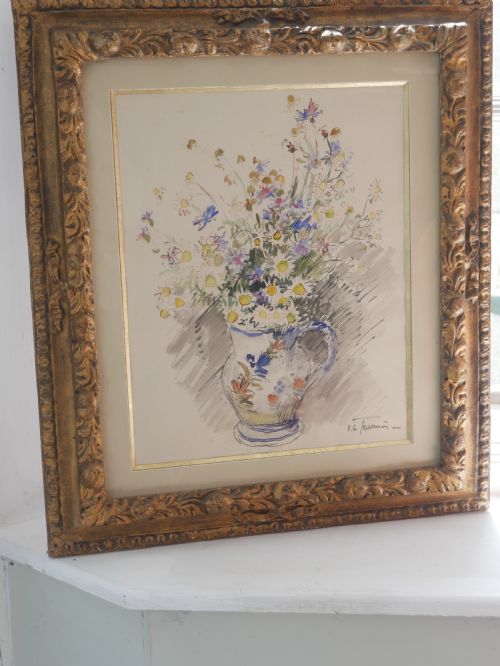


Gold Gilt Jug
These gold gilt jugs span centuries of decorative metalwork, glass, and porcelain, offering refined craftsmanship and striking metallic embellishment for any display.
Gold Gilt Jug
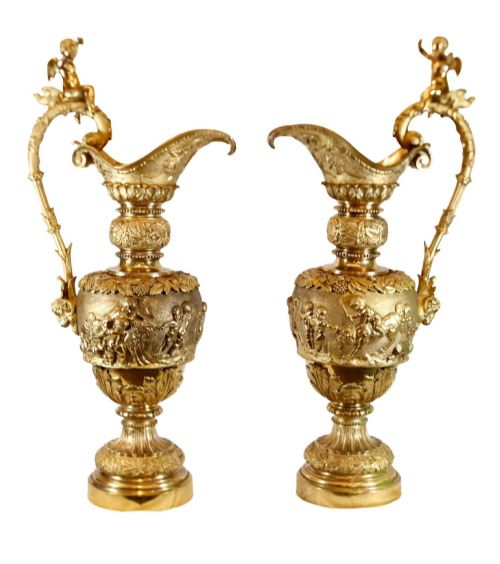
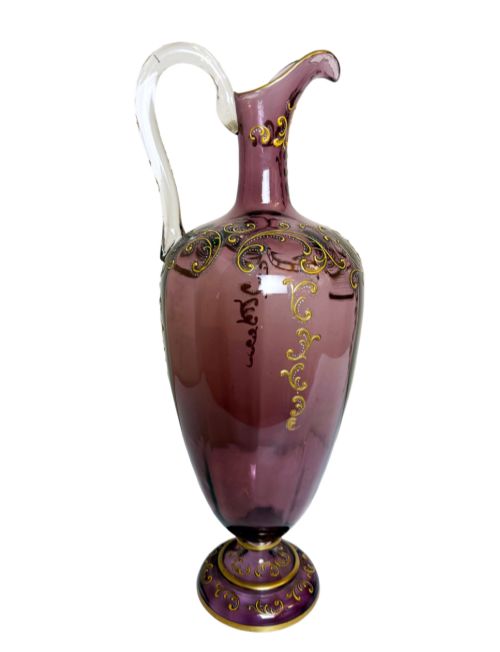
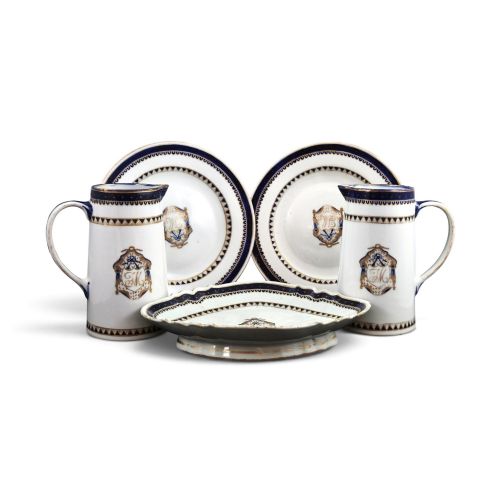
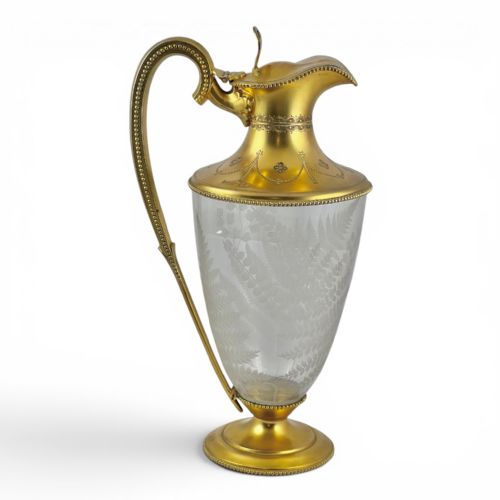
A gold gilt jug encompasses a diverse variety of vessel forms, ranging from monumental decorative ewers and claret jugs to porcelain cream jugs and pitcher-and-bowl sets. When searching for a gold gilt jug, buyers encounter pieces serving both functional tableware roles and purely ornamental purposes.
The selections on this page bridge multiple eras, stretching from 17th-century depictions in oil paintings through 18th-century porcelain and Victorian metalwork up to mid-century ceramics. The version most commonly met here is the Victorian or late 19th-century ceramic ewer or glass claret jug enhanced with metallic gilding.
What varies in quality
The standard of a gold gilt jug rests upon the crispness of its moulding and the refinement of its hand-painted or gilt decoration. Superior examples display precise control in their metallic applications and well-balanced proportions across handles, spouts, and bodies.
Makers known for exceptional potting and painting standards, such as Royal Worcester or Baccarat, command greater attention through superior artistic execution. The depth and integrity of the gilding itself differentiate masterwork pieces from simpler commercial wares.
Gold Gilt Jug Retail Price Guide 2026
Typical asking prices for gold gilt jug among the pieces listed under this phrase on Sellingantiques today, from the lower quarter to the upper quarter. They describe what is for sale here now, not the wider market.
Materials documented across the pieces include porcelain, gold leaf, enamel, gilt glass, gilt bronze, ormolu, and canvas.
Grainger Worcester·Doulton Burslem·Baccarat·Coalport·Royal Worcester
The Gold Gilt Jug Glossary
- Ewer
- A large pitcher with a wide spout and elaborate handle, traditionally used for holding water or wine. They frequently appear in decorative metal or porcelain forms.
- Ormolu
- Finely ground high-carat gold applied to a bronze base using a mercury-gilding process. This technique imparts a rich metallic lustre to decorative mounts.
- Claret jug
- A table vessel designed specifically for serving red wine, typically constructed from cut glass or crystal fitted with silver gilt or plated mounts.
- Reticulated
- Decorated with an openwork pattern resembling a net or lattice, achieved by cutting away portions of the ceramic body before firing.
- Latticinio
- A glassblowing technique featuring opaque white glass threads twisted within clear blown glass. It creates delicate linear patterns inside the vessel wall.
Gold Gilt Jug: Frequently Asked Questions
What is a gold gilt jug used for?
These vessels served various functions depending on their material and form, ranging from serving wine or cream at the table to holding wash water in a bedroom set. Many grander examples were intended strictly as decorative display pieces or ewers.
Over time, utility often gave way to ornamental display, particularly for heavily gilded porcelain and bronze ewers designed to catch the light in a formal room.
How do I identify a Victorian claret jug?
Victorian claret jugs typically combine heavy cut glass or crystal bodies with elaborate silver gilt or ormolu mounts, often bearing hallmarks that date the metalwork precisely. Their design reflects a fondness for ornate, revivalist styles.
Examining the mount construction and the clarity of the glass helps distinguish these 19th-century pieces from later reproductions.
What is the difference between gilt bronze and ormolu?
Ormolu specifically refers to a mercury gilding process applied to bronze objects during the 18th and 19th centuries, producing a warm, deep metallic finish. Gilt bronze is a broader term for any bronze object coated in a gold layer.
Both materials were utilised on decorative ewers and jugs to impart a luxurious appearance without solid gold construction.
How should I clean an antique gilded jug?
Antique gilding is extremely delicate and easily worn away by modern chemical cleaners or aggressive rubbing. Dusting with a soft, dry brush is generally the safest maintenance method.
Avoid moisture on painted or gilt surfaces unless handled by a professional restorer, as water can lift fragile gold leaf and enamel details.