

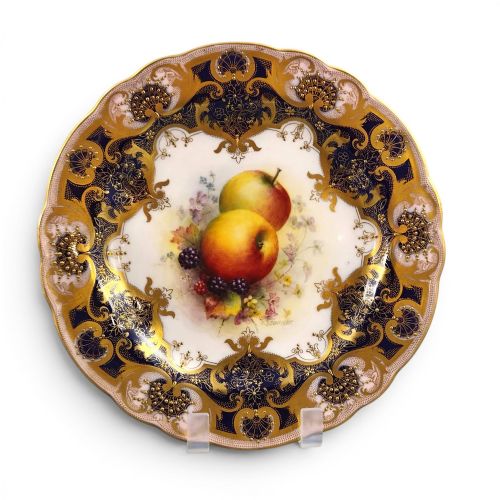


Gold Gilt Fruit Dish
A gold gilt fruit dish brings hand-painted porcelain and gleaming bronze into the dining room, offering a brilliant centrepiece for display or service.
Gold Gilt Fruit Dish
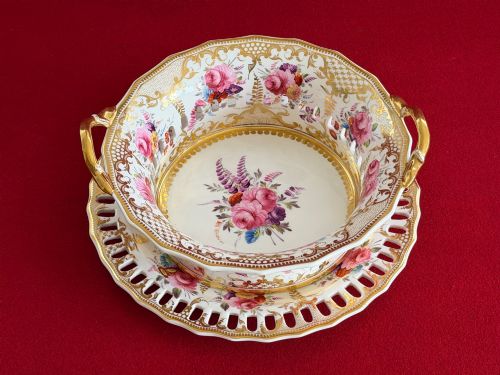
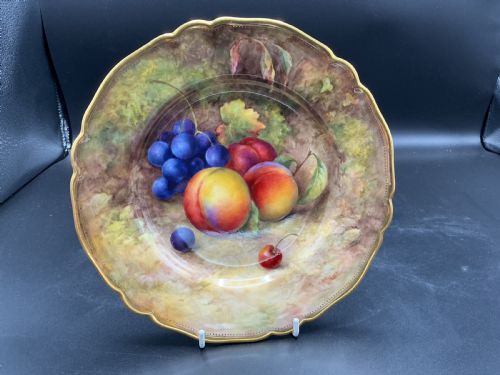
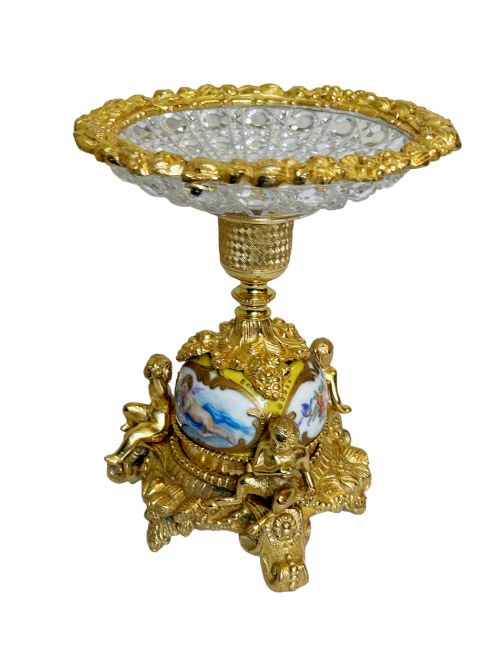
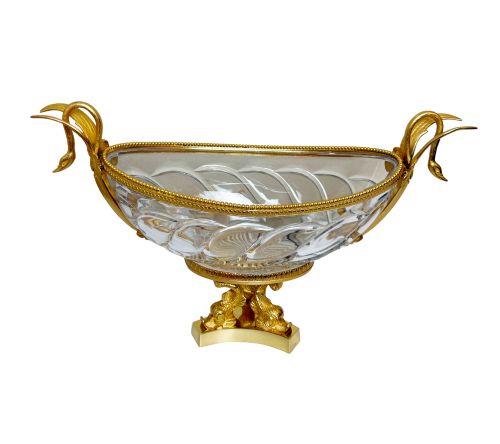
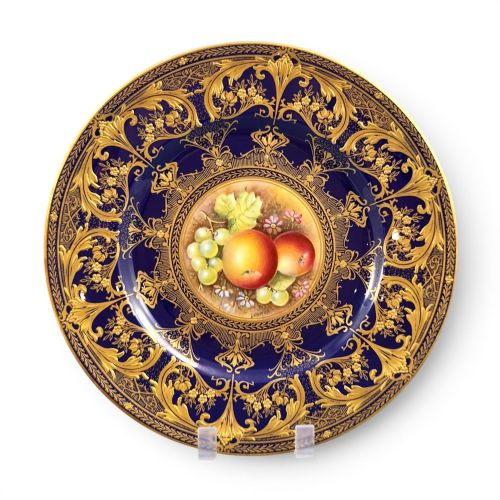
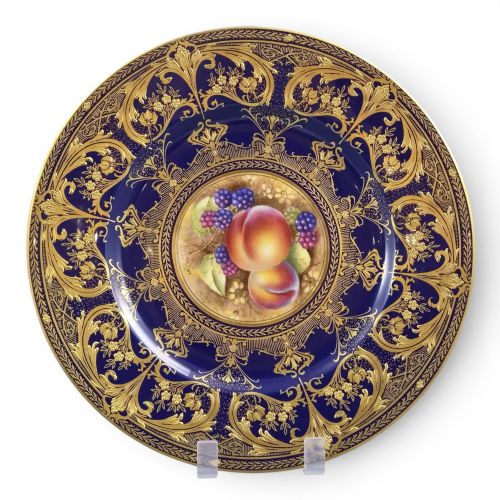
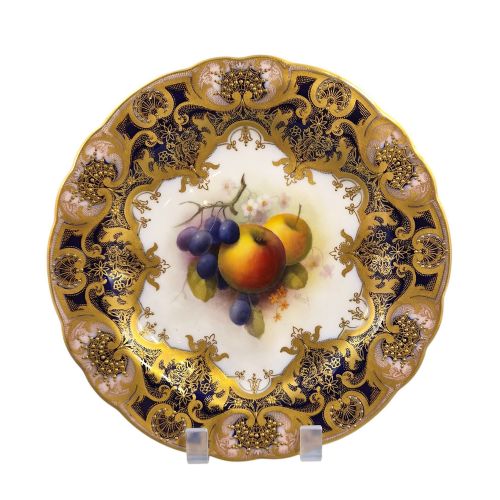
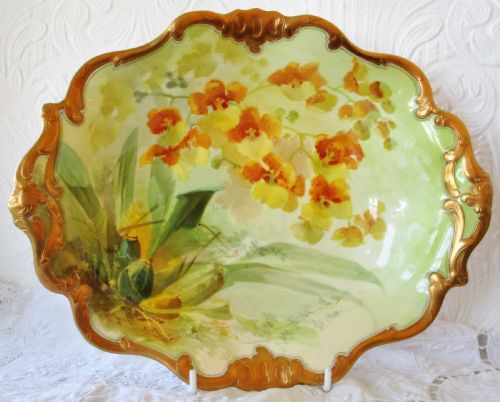
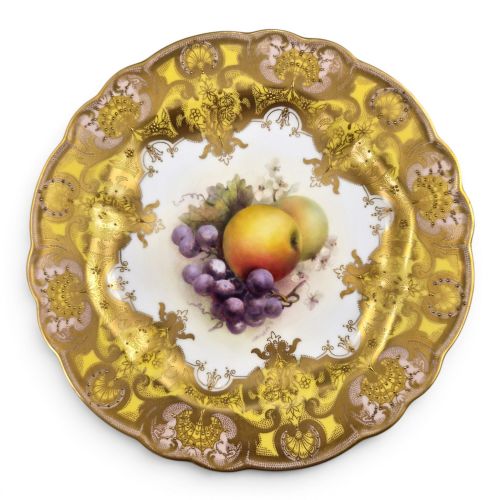
A gold gilt fruit dish takes various forms across the periods, appearing most often as a painted porcelain cabinet plate or a heavy bronze centrepiece. Buyers seeking a gold gilt fruit dish will encounter porcelain baskets, tazzas, and deep dessert dishes intended to showcase natural produce or ornamentation. These pieces originate from nineteenth-century workshops and twentieth-century potteries alike.
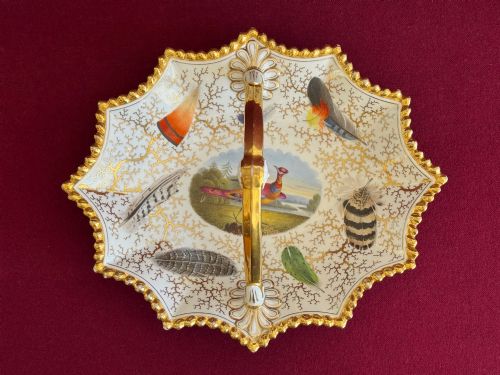
The selections span Regency porcelain baskets, Victorian ormolu tazzas, and twentieth-century bone china cabinet plates. A large share of the examples come from English factories, particularly Worcester, alongside French ormolu mounts and crystal. Each form serves either as a decorative plate for a cabinet or a functional centrepiece on the table.
Makers such as Royal Worcester dominate the porcelain selections, frequently featuring hand-painted fruit compositions signed by notable artists. Alongside porcelain, items utilising gilt bronze and enamel provide heavier metallic options for the collector. The assortment bridges nineteenth-century revival styles and mid-century British ceramic art.
Materials and methods of manufacture
Porcelain and bone china form the basis of the ceramic dishes, shaped in moulds or thrown before receiving rich hand-painted fruit motifs. Artisans applied gold leaf and gilding by hand to borders, rims, and handles to create high-contrast metallic accents against the painted scenes.
Metal pieces rely on gilt bronze and ormolu, often cast with intricate cherubs and floral details to support cut crystal bowls or enamel plaques. These metallic elements require precise casting and mercury gilding techniques to achieve a lasting luminous finish.
Gold Gilt Fruit Dish Retail Price Guide 2026
Typical asking prices for gold gilt fruit dish among the pieces listed under this phrase on Sellingantiques today, from the lower quarter to the upper quarter. They describe what is for sale here now, not the wider market.
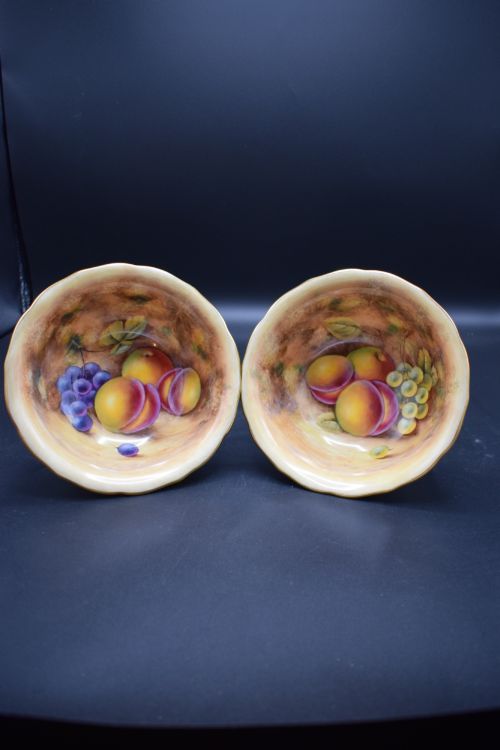
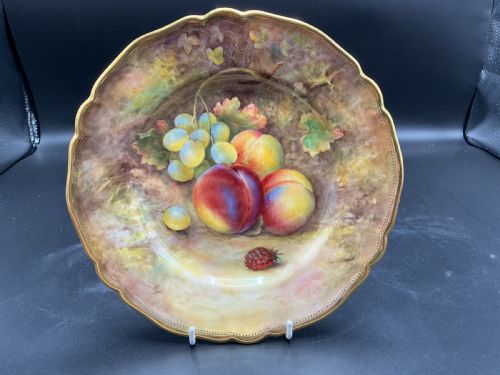
Several cabinet plates feature meticulously painted peaches and grapes signed by artists who spent decades rendering orchard fruit.
Factors distinguishing quality
The distinction between standard production and fine work lies in the skill of the hand-painted fruit and the precision of the gilding. Named artists signing the porcelain elevate the piece significantly compared to anonymous factory output.
The weight and detail of the cast ormolu or gilt bronze mounts determine the calibre of metal centrepieces and tazzas. Crisp chasing on the bronze and intricate enamel work separate exceptional items from simpler decorative wares.
Royal Worcester·Flight Barr and Barr·Derby Porcelain·Garrard London·Royal Doulton
The Gold Gilt Fruit Dish Glossary
- Cabinet plate
- A decorative ceramic plate intended for display in a cabinet rather than for dining use. These often feature elaborate painted scenes and gilded borders.
- Centrepiece
- A large ornamental object placed in the middle of a dining table or sideboard. They frequently take the form of tazzas, baskets, or bronze basins.
- Gilding
- The application of gold leaf, gold dust, or gold paint to the surface of porcelain, wood, or metal. This technique enhances decorative richness and protects the underlying material.
- Ormolu
- Gilded bronze used widely for furniture mounts, clock cases, and decorative centrepieces during the eighteenth and nineteenth centuries. The term derives from the French for milled gold.
- Tazza
- An elevated shallow bowl or cup resting on a foot and stem, used traditionally for serving fruit or sweetmeats. Nineteenth-century examples often combine cast bronze mounts with enamel or glass.
Gold Gilt Fruit Dish: Frequently Asked Questions
What is a gold gilt fruit dish used for?
These dishes serve primarily as decorative centrepieces or cabinet displays rather than everyday tableware. Historically, they held fruit or sweetmeats during formal dining.
Today, collectors use them to add colour and historic character to sideboards, dining tables, and display cabinets.
How do I identify the maker of a porcelain dish?
Makers mark their porcelain on the underside using stamped factory logos, painted cyphers, or impressed symbols. Examining these base marks reveals the specific pottery and often narrows down the production date.
Artist signatures located near the painted fruit motifs provide further attribution to painters who worked for the factories.
What is the difference between porcelain and bone china?
Porcelain uses fine white clay fired at high temperatures to produce a dense, vitreous body. Bone china incorporates calcined bone ash into the paste, creating a slightly warmer tone and high durability.
Both materials accept hand-painted fruit designs and gold gilding with exceptional clarity.
How should I clean a gilt bronze centrepiece?
Gilt bronze and ormolu require gentle dusting with a soft, dry brush to prevent the accumulation of dirt in the chased details. Avoid harsh chemical polishes that strip away the thin layer of gold leaf or mercury gilding.
Careful handling ensures the protective metallic surface remains intact for future generations.