



Gold Gilt Decanter
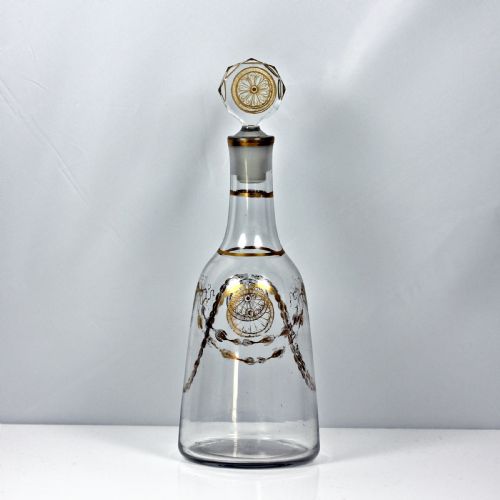
These gold gilt decanter pieces are refined glass and crystal vessels enriched with metal leaf or precious mounts, bought to bring antique elegance to a dining table.
Gold Gilt Decanter
When you search for a gold gilt decanter, you are looking at vessel forms ranging from claret jugs and wine pitchers to apothecary bottles and scent containers. These pieces cross several eras, appearing in Georgian, Regency, and Victorian styles alongside later mid-century examples.
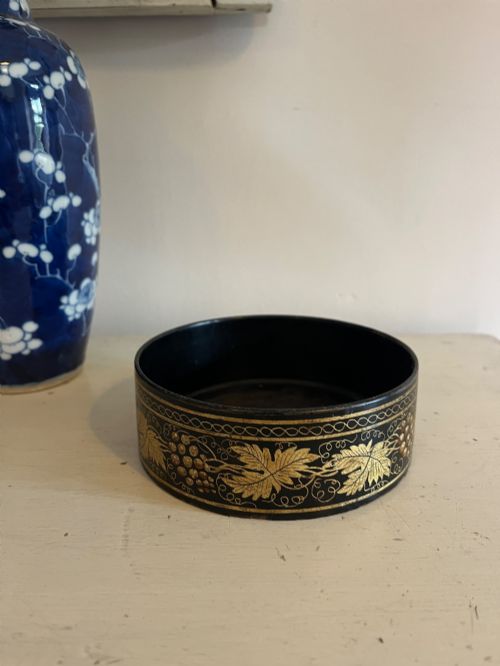
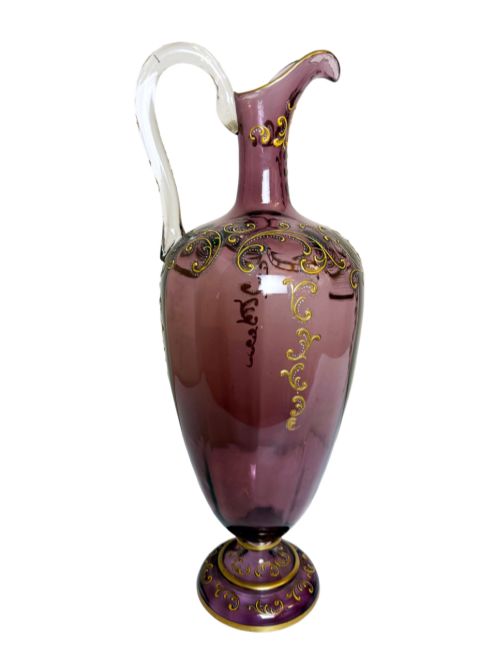
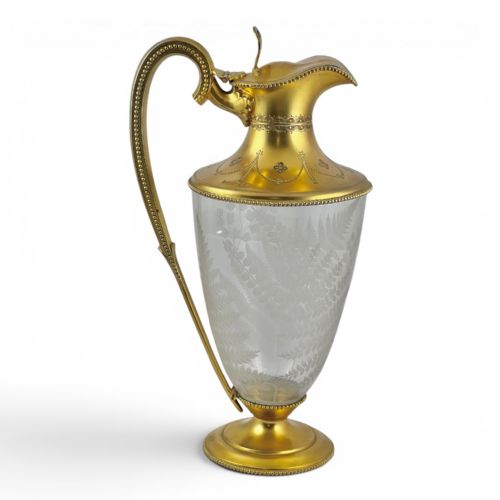
The versions most commonly met on this page combine clear or coloured glass bodies with hand-painted metallic ornament, or incorporate precious metal mounts directly into the design. Alongside traditional decanters, related serving pieces such as wine coasters and ewers frequently appear within the selection.
Origins span English and French workshops, encompassing delicate blown glass alongside sturdier crystal forms. Each piece reflects the formal dining and dressing table customs of its respective period.
How they were made
Makers utilised mouth-blown glass and heavy crystal as the foundational bodies for these vessels, shaping them while hot before cooling and annealing. Surface decoration was then applied by hand, utilising gold leaf or liquid gold paints that required careful firing to adhere permanently to the glass.
Mounts and hardware were produced separately, often through silver-gilt or ormolu techniques where base metals received a fine coating of gold. These metal collars, handles, and hinged lids were then fitted securely to the glass necks and bodies.
Gold Gilt Decanter Retail Price Guide 2026
Typical asking prices for gold gilt decanter among the pieces listed under this phrase on Sellingantiques today, from the lower quarter to the upper quarter. They describe what is for sale here now, not the wider market.
Listings feature pieces spanning from the eighteenth century through to the mid-twentieth century, utilising materials such as gold leaf, blown glass, crystal, and silver gilt.
What varies in quality
The refinement of the hand-painted gilding separates standard production from finer work, as skilled painters achieved crisp lines and delicate foliate appliques that endure well. The weight and clarity of the underlying glass or crystal also determine the standard of the piece.
The integration and metalwork quality of silver gilt or ormolu mounts dictate the overall tier of the object, with well-fitted hinges and hallmarked precious metals representing higher craftsmanship.
James Giles·Freeman & Son Ltd.·Baccarat
The Gold Gilt Decanter Glossary
- Gilt
- A thin covering of gold applied to the surface of glass, metal, or wood. It is used to add decorative highlights or complete metallic enrichment.
- Claret jug
- A specialised pouring vessel designed specifically for serving red wine at the table. These often feature elaborate mounts and handles.
- Ewer
- A large pitcher with a wide spout and ornate handle, historically used for pouring water or wine. Many antique examples incorporate decorative metalwork.
- Latticinio
- A glass-making technique featuring fine white or coloured threads embedded within clear glass. This method creates delicate internal patterns.
- Ormolu
- Gilded bronze furniture and object mounts produced through a mercury-gilding process. It provides a rich golden finish on decorative hardware.
Gold Gilt Decanter: Frequently Asked Questions
What is a gold gilt decanter used for?
These vessels were historically utilised for serving wine, spirits, or liqueurs at formal dining tables, or for holding medicinal liquids and tinctures on dressing furniture. Their decorative surfaces were designed to catch candlelight and display the host's refined taste.
Today, they serve equally well as functional glassware for entertaining or as decorative cabinet pieces that bring historical character to an interior room.
How do I clean a gold gilt decanter?
Cleaning requires gentle hand washing with lukewarm water and mild soap, avoiding any abrasive sponges or harsh chemical detergents that might wear away the delicate gold leaf or painted appliques. Wooden bottle brushes or specialised soft cleaning beads can help reach interior residue safely.
Care should be taken around metal mounts and hinged lids to keep moisture away from vulnerable joints and historical adhesives.
How do I distinguish Regency periods from Victorian ones?
Regency pieces typically display neoclassical restraint, cleaner geometric lines, and simpler classical proportions inspired by ancient Greek and Roman designs. Victorian items often feature heavier, more exuberant ornamentation with eclectic revival styles.
Examining the depth of the glass-cutting, the density of the gilding motifs, and any associated hallmarks helps narrow down the exact decade of manufacture.
Are French pieces different from English ones?
French vessels frequently lean towards decorative opulence, utilising elaborate ormolu mounts, French rococo revival styling, and deeply coloured glass bodies. English examples often favour slightly more restrained silhouettes and precise silver-gilt craftsmanship.
Both origins share exceptional standards of glassblowing and hand-finishing, though their distinct aesthetic roots reflect the design preferences of their respective countries.