



Gold Gilt Ceramic Plates
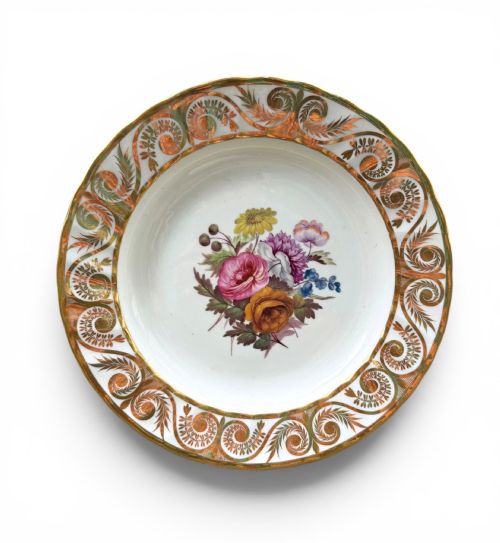
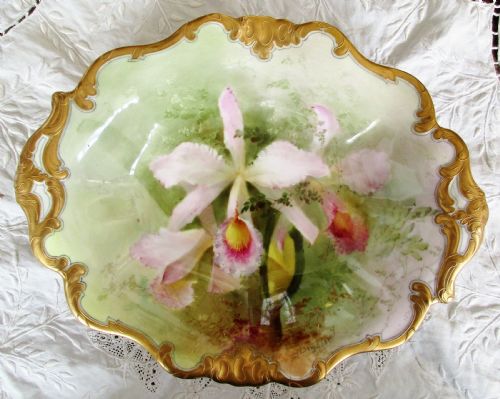
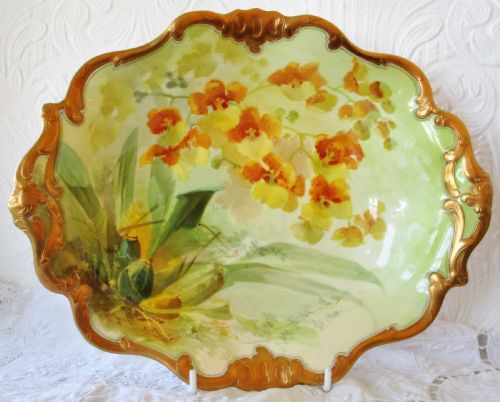
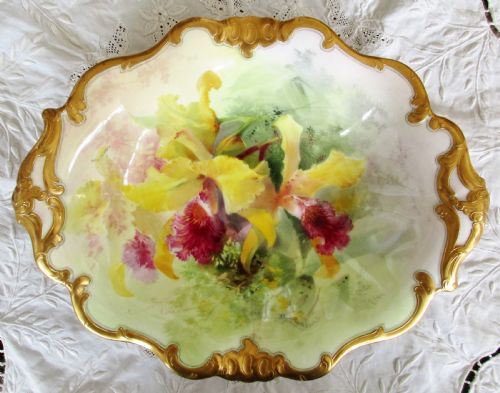
Gold gilt ceramic plates bring hand-painted floral panels and rich gilding into the home, tracing centuries of fine British and continental porcelain craftsmanship.
Gold Gilt Ceramic Plates
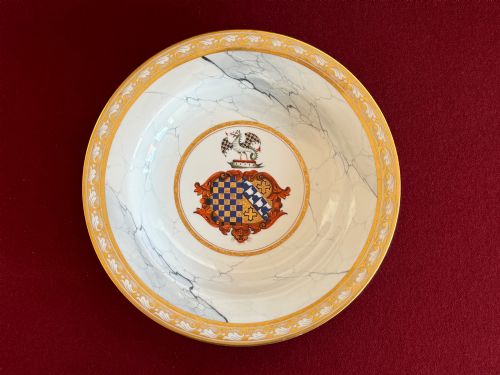
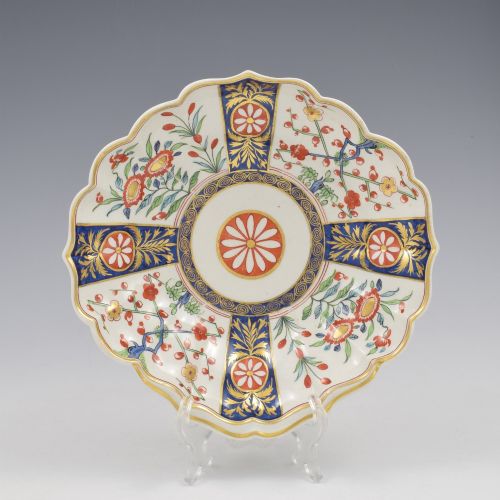
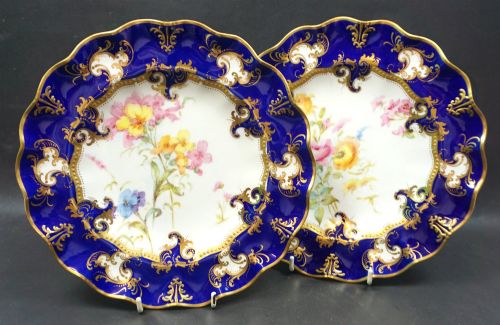
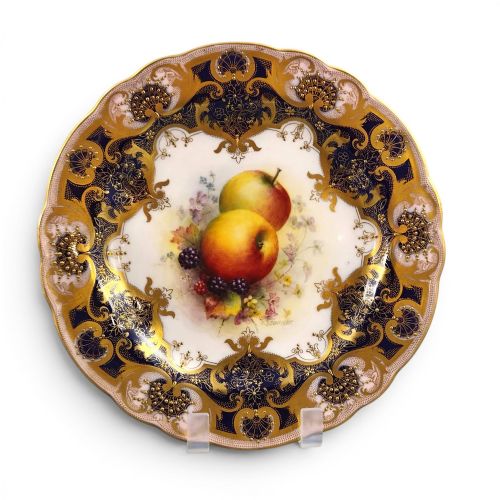
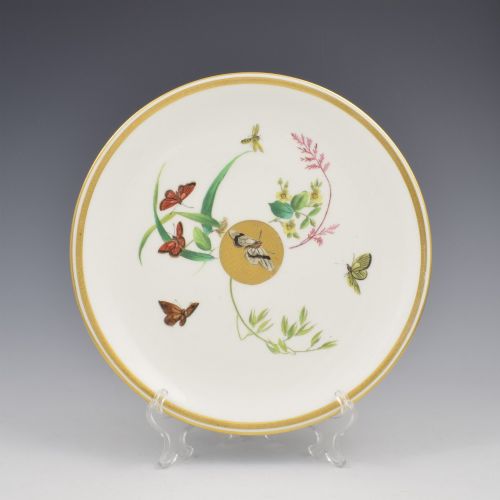
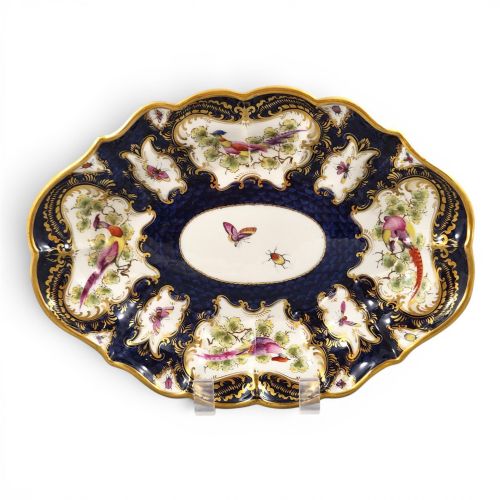
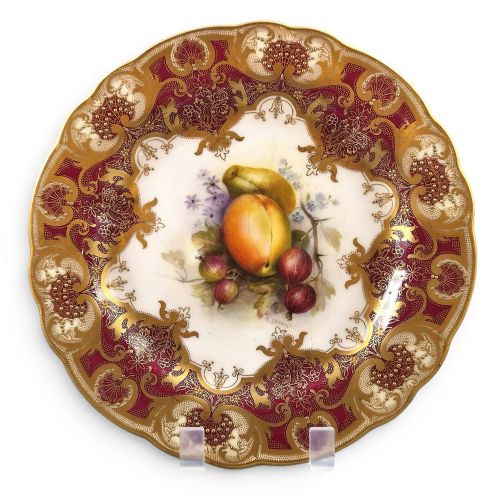
When you search for gold gilt ceramic plates, you encounter fine porcelain and bone china vessels produced primarily for display rather than dining. These pieces range from cabinet plates and large chargers to specialist dessert dishes and soup plates.
The selection on this page draws heavily on nineteenth-century production, alongside notable examples from the Georgian, Edwardian and early twentieth-century periods. English factories such as Worcester, Derby and Royal Doulton feature prominently alongside continental works.
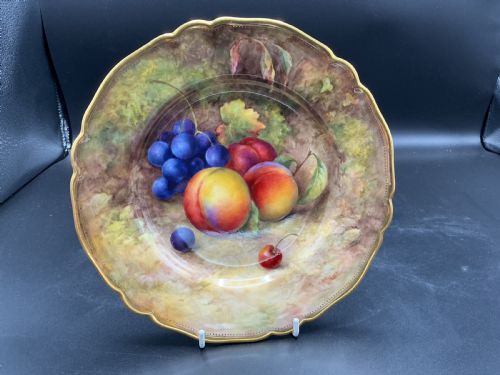
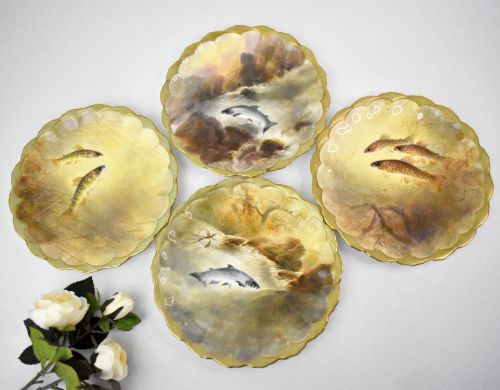
Forms vary from simple circular plates to shell-shaped dessert dishes and shaped serving platters. Buyers find both topographical scenes and hand-painted fruit studies among the available items.
Materials and production methods
Potters shaped fine porcelain, bone china, earthenware and soft-paste porcelain before applying detailed hand-painted designs. Artists decorated surfaces with enamel pigments depicting flowers, birds, figures and topographical views.
Makers completed the decoration by applying gold leaf, gilt and gilding to rims, borders and raised motifs. Firing fixed the metallic details and enamel colours to the ceramic body.
Gold Gilt Ceramic Plates Retail Price Guide 2026
Typical asking prices for gold gilt ceramic plates among the pieces listed under this phrase on Sellingantiques today, from the lower quarter to the upper quarter. They describe what is for sale here now, not the wider market.
Several plates depict elaborate classical scenes, ensuring your dining room walls host Roman emperors alongside your morning toast.
Distinctions in quality and execution
Quality rests primarily on the skill of the painter and the richness of the gilding. Hand-painted fruit, classical scenes and intricate botanical studies executed by named artists elevate a piece above standard transfer-printed wares.
The weight, translucency and purity of the porcelain paste also separate standard production from high-end cabinet pieces. Pieces made for specific retailers or special exhibitions often display superior finishing.
Barr Flight and Barr·Grainger Lee And Co·Royal Worcester·Royal Crown Derby·Royal Doulton·Copeland·C.J. Mason·Meissen·Ridgway·Coalport·Limoges·Aynsley·Fukagawa·Wedgwood·Mintons
The Gold Gilt Ceramic Plates Glossary
- Cabinet plate
- A decorative plate intended for display in a cabinet or on a wall rather than for practical table use. These items typically feature elaborate hand-painted subjects.
- Gilding
- The application of gold leaf or gold dust to the surface of ceramics. This technique highlights rims, handles and decorative borders.
- Bone china
- A type of soft-paste porcelain incorporating animal bone ash. It provides a durable body with high whiteness and translucency.
- Soft-paste porcelain
- A ceramic material composed of clay and glass frit, fired at lower temperatures than hard-paste porcelain. It produces a warm tone beneath the glaze.
- Charger
- A large decorative plate or dish used historically as a base setting or displayed upright. These pieces often carry detailed narrative scenes.
Gold Gilt Ceramic Plates: Frequently Asked Questions
What is a cabinet plate?
A cabinet plate is a decorative ceramic piece made specifically for display rather than everyday dining use. They often feature intricate hand-painted artwork and lavish gold gilding.
Cabinet plates were popular in wealthy homes during the nineteenth and early twentieth centuries. Collectors displayed them in glass-fronted cabinets to showcase artistic taste.
How do I identify porcelain periods?
Identifying the period involves examining factory marks, paste consistency and painting styles. Different eras favoured specific decorative motifs, from Neoclassical subjects to Victorian floral studies.
Reference books and maker mark guides help match symbols and ciphers to exact manufacturing decades. Style clues like Aesthetic Movement patterns also narrow down the date.
Were these plates used for food?
Most pieces described as cabinet plates or dessert service dishes were intended for formal dessert courses or pure display. Rich gilding and delicate enamel work meant they received careful handling.
Over time, many shifted entirely into the realm of decorative art. Their survival in good condition reflects their protected status in historic dining rooms.
How should I display them?
Displaying these plates safely requires wall-mounted plate hangers with protective coatings or dedicated display cabinets. Keeping them away from direct sunlight preserves the vibrant enamel colours and gold leaf.
Grouping plates by factory or theme creates an effective visual arrangement. Ensuring stable support prevents accidental falls.