



Gold Gilt Cane
These gold gilt cane pieces bring together French styling, carved wood, and porcelain handles for collectors of period furnishings.
Gold Gilt Cane
A gold gilt cane encompasses walking swords, seating, and planters from the Victorian era up to the nineteen twenties. Buyers search for this phrase to find items featuring carved giltwood, gold plate, and woven cane panels.
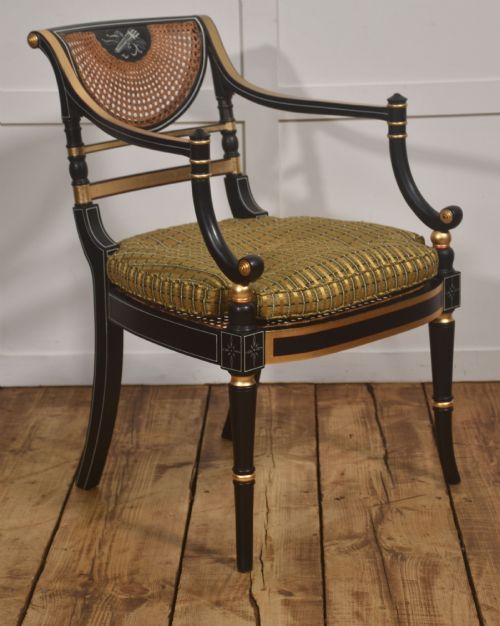
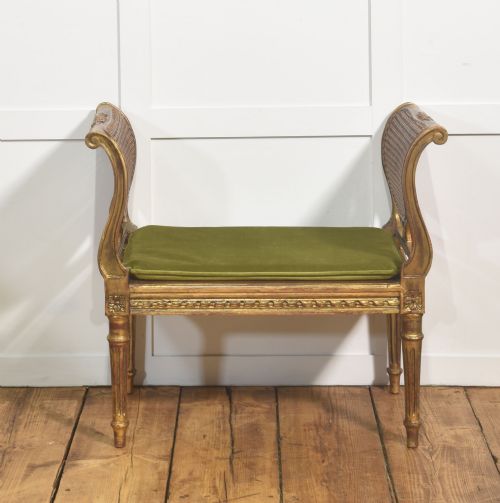
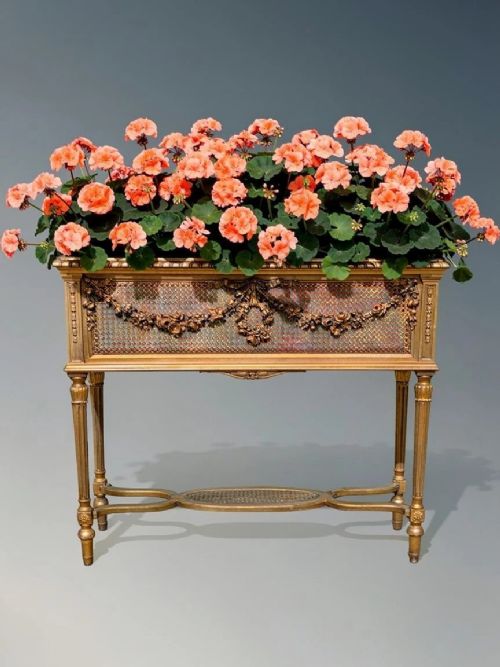
The selections here frequently show French Louis XV and Louis XVI influences alongside Aesthetic Movement designs. Canework appears on window stools, planters, and beds, while walking sticks incorporate porcelain segments.
Originating largely from nineteenth century and early twentieth century workshops, these pieces combine structural wood with decorative gilding. Each form serves a distinct domestic or personal function within period interiors.
Materials and construction
Makers utilised wood as the primary substrate for giltwood furniture, applying thin layers of gold leaf or gilt metal over carved surfaces. Cane was hand-woven into frames for seating and planters to create durable, textured panels.
Walking sticks combine steel blades, gold-plated mounts, and painted Sevres porcelain sections. Artisans joined these disparate materials with precision to ensure structural integrity and decorative appeal.
Gold Gilt Cane Retail Price Guide 2026
Typical asking prices for gold gilt cane among the pieces listed under this phrase on Sellingantiques today, from the lower quarter to the upper quarter. They describe what is for sale here now, not the wider market.
Some walking sticks double as swords, proving that eighteenth century commuters took their personal security very seriously indeed.
Assessing quality
The refinement of the carving distinguishes finer examples from simpler production, particularly on Louis XV and Louis XVI style frames. Crisp detail in the wood and uniform application of gold leaf or plate indicate higher workshop standards.
The condition and tightness of the woven cane panels affect the overall integrity of seating and planters. Hand-painted detail on porcelain handle sections provides another marker of standard in walking sticks.
Falkirk Ironworks
The Gold Gilt Cane Glossary
- Giltwood
- Wood that has been coated with gold leaf or a gold-coloured preparation. This finish appears frequently on nineteenth century French frames and furniture.
- Sevres
- Porcelain produced by the French national manufactory, known for painted decorative panels. These plaques often decorate the handles of walking sticks.
- Louis XVI
- A neoclassical furniture style characterised by straight lines, symmetry, and classical motifs. Pieces in this manner date from the late nineteenth and early twentieth centuries.
- Canapé
- A French upholstered sofa, often featuring an exposed carved wooden frame with gilded surfaces. Examples on this page adopt Louis XV styling.
- Aesthetic Movement
- A late nineteenth century design style emphasising visual beauty over narrative content. It influences several decorative pieces in the listings.
Gold Gilt Cane: Frequently Asked Questions
What periods do these pieces represent?
The inventory spans the nineteenth century through to nineteen twenty, taking in Victorian and Edwardian eras. French revival styles predominate across the furniture selections.
Specific dates cluster around eighteen eighty to nineteen ten, reflecting popular manufacturing periods for gilded furnishings and walking accessories.
How were walking sticks used?
Walking sticks served as functional accessories for gentlemen and ladies during the nineteenth century. Many incorporated concealed steel blades for personal defence.
Porcelain handles and gold-plated mounts also signaled the social standing of the owner.
Where do the furniture pieces fit in a home?
Giltwood and cane items suit drawing rooms, bedrooms, and entrance halls as decorative seating or planters. Window stools and window sofas provide compact seating beneath sills.
Caned beds and plant holders introduce natural texture alongside metallic gold finishes.
How do I identify Louis XV style?
Louis XV pieces feature asymmetrical curves, floral carvings, and cabriole legs. Giltwood frames in this style emphasise fluid organic shapes.
Craftsmen applied these French forms in nineteenth century workshops.