





Gold Framed Pastel
A gold framed pastel brings delicate pigment to life under glass, offering collectors a rich slice of portraiture and landscape from Georgian, Victorian and mid-century hands.
Gold Framed Pastel
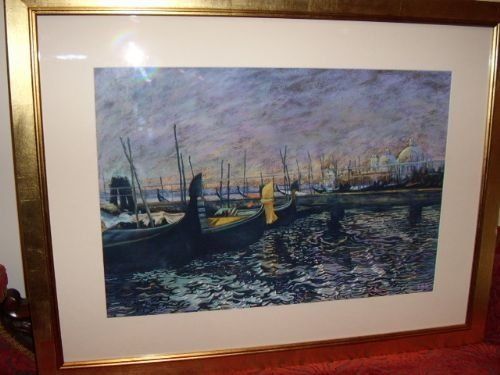
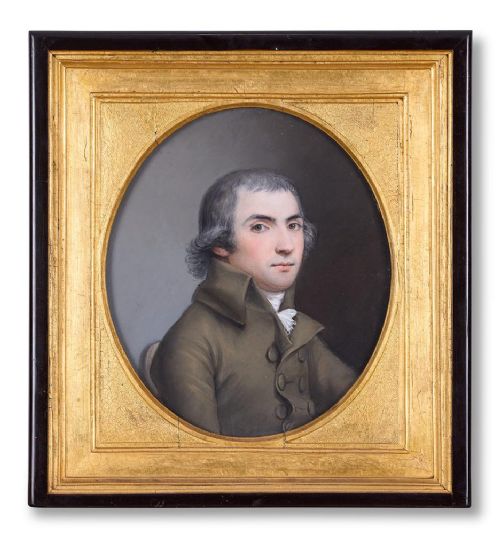
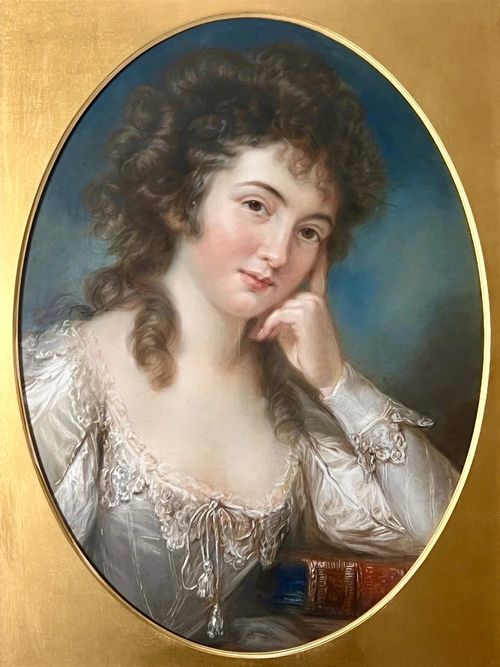
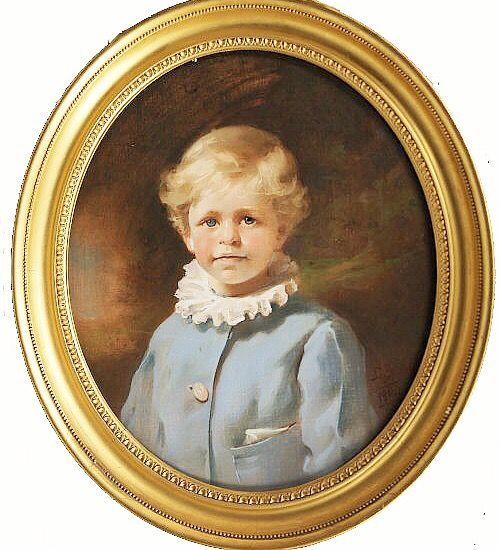
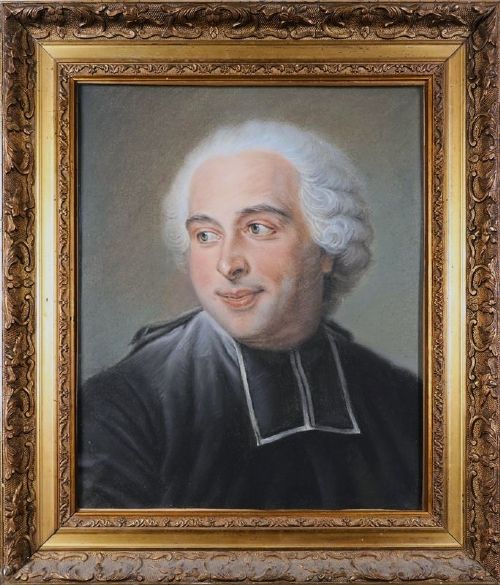
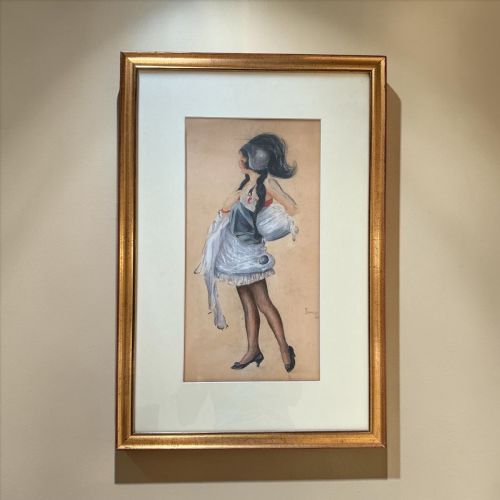
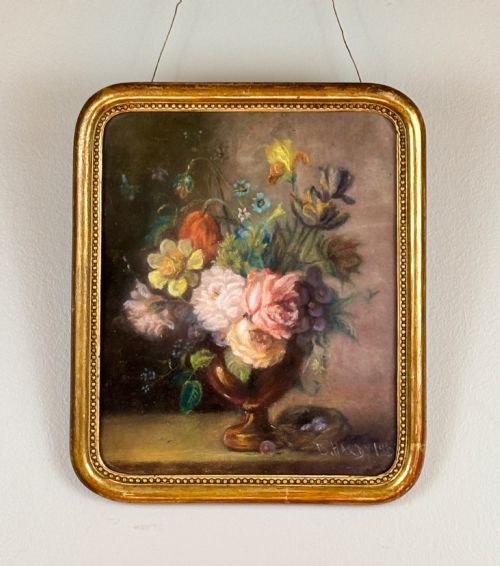
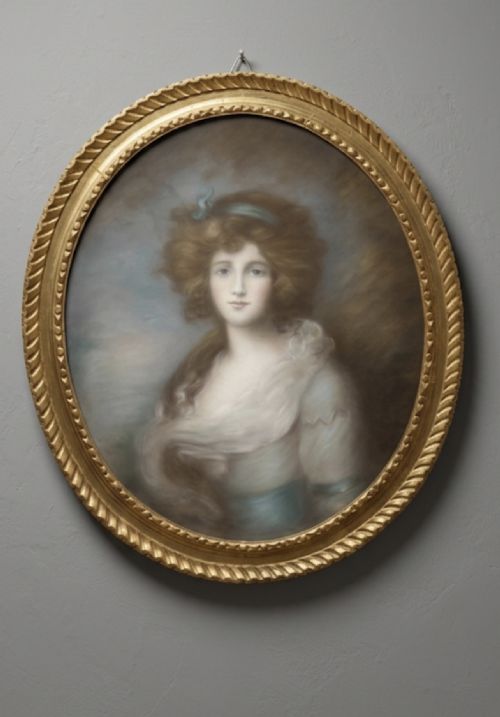
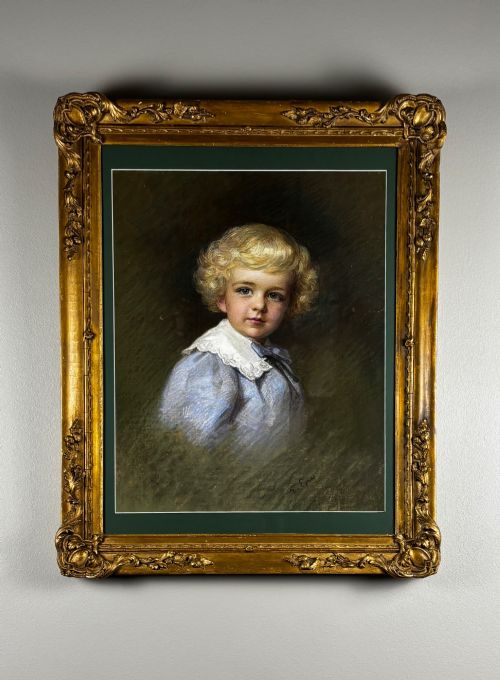
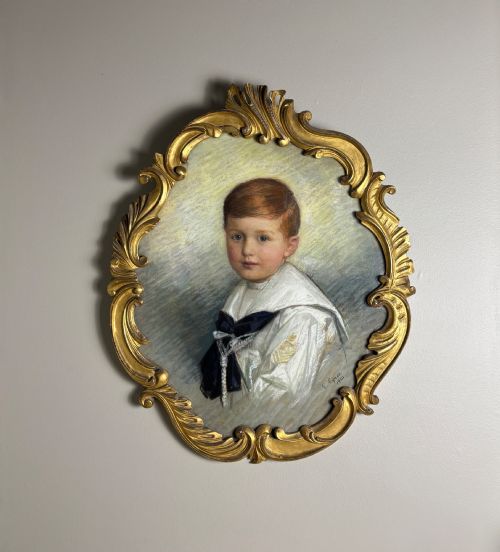
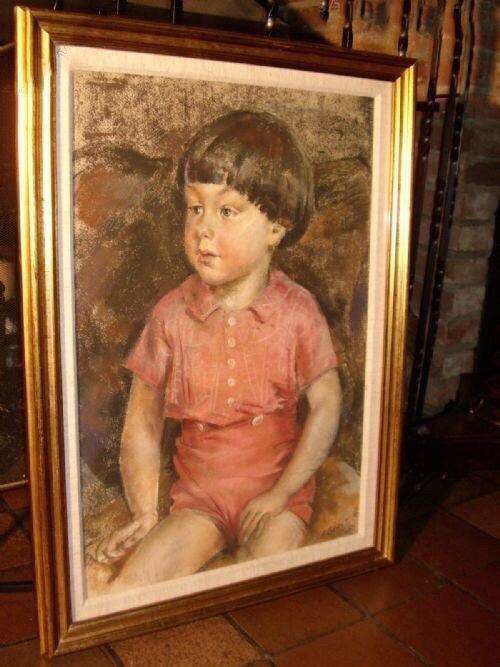
When you search for a gold framed pastel, you meet works executed on paper, canvas, or board using soft chalky pigment, frequently paired with gouache or watercolor. The most common forms on this page are portrait miniatures and larger framed portrait paintings originating from the nineteenth and early twentieth centuries.
The subjects range from stately gentlemen and young French ladies to detailed animal studies and expansive river landscapes. Pieces span multiple periods including Georgian, Victorian, Edwardian, and mid-century modern, reflecting shifting tastes in domestic wall art.
Works often arrive in heavy gilded wood or giltwood frames that protect the delicate pigment beneath glass. These frames complement the intimate tones of the artwork, whether signed by listed artists or executed by skilled anonymous hands belonging to various European schools.
Materials and technique
Pastel pigment requires a stable paper, canvas, or board support to hold the friable chalk particles in place. Artists frequently blended pastel with gouache or ink to sharpen fine details in facial expressions or landscape foliage.
Framing is integral to survival, utilising giltwood, gilded wood, or simple wood surrounds coupled with protective glass. This glazing prevents smudging and shields the fragile, unbound colour from atmospheric moisture and dust.
Gold Framed Pastel Retail Price Guide 2026
Typical asking prices for gold framed pastel among the pieces listed under this phrase on Sellingantiques today, from the lower quarter to the upper quarter. They describe what is for sale here now, not the wider market.
Listings feature works spanning from the Georgian era through to mid-century modern, utilising pastel, gouache, and glass within gilded wood frames.
What distinguishes quality
Quality rests in the precision of the draughtsmanship and the artist's command of light across fabric, skin, or water. Fine examples capture anatomical realism and psychological depth without heavy reliance on corrective overworking.
The harmony between the artwork and its original or period-appropriate gilded frame contributes significantly to the piece's integrity. Superior works retain their original surface texture under clear glass, free from heavy fading or pigment shedding.
Emily Eyres·Leon Sprinck·Joseph Knight·John Hobson Nicholson·Gerrit Schipper
The Gold Framed Pastel Glossary
- Pastel
- A dry painting medium consisting of powdered pigment combined with a binder. It is applied directly to paper or canvas to create velvety textures and subtle tonal gradations.
- Giltwood
- Timber carved and coated with gold leaf or gold paint. It provides an ornate, reflective border typical of antique picture frames.
- Gouache
- An opaque water-based paint often used alongside pastel to add highlights and sharp linear details. It gives certain areas of the composition greater opacity and definition.
- Portrait Miniature
- A small, highly detailed painting capturing an individual likeness. These pieces often demand exceptional fine-motor skill due to their restricted scale.
- French School
- A term denoting artists trained within the French academic tradition. Their work often emphasises classical composition, elegance, and refined draughtsmanship.
Gold Framed Pastel: Frequently Asked Questions
Why are pastels framed behind glass?
Pastel consists of loose pigment particles that lack strong liquid binders, meaning any physical contact smears the image instantly. Glass serves as an essential physical barrier against accidental damage.
Glazing also stops airborne dust, grease, and smoke from settling into the porous chalk surface over decades of exhibition in domestic spaces.
How do I date an antique pastel?
Dating relies on stylistic clues in the sitter's costume, hair styling, and the joinery or construction of the accompanying frame. Georgian and Victorian portraits often feature specific clothing cuts and signature lettering styles.
Backboards, framing nails, and old handwritten gallery labels or inscriptions also offer reliable chronological markers for narrowing down the decade of creation.
Can pastels fade in sunlight?
Certain historical pigments used in pastels react sensitively to ultraviolet rays and direct sunlight, leading to gradual colour loss over time. Hanging them away from bright windows preserves the original tone.
Modern conservation glass with UV-filtering properties offers additional protection if a piece must hang in a well-lit room.