
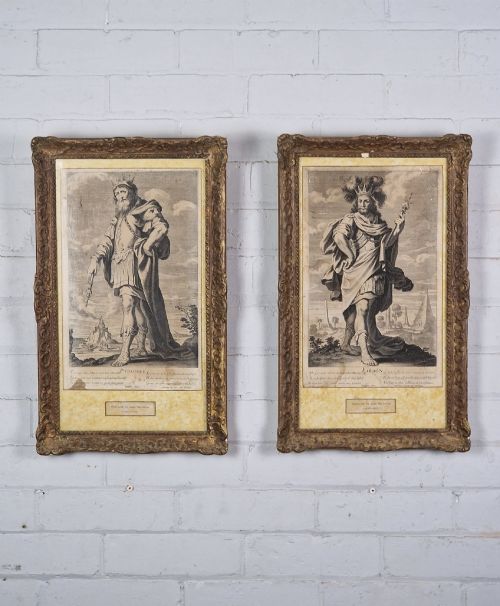
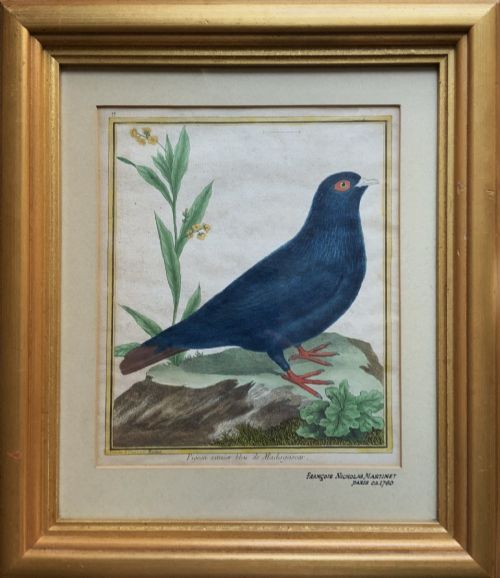
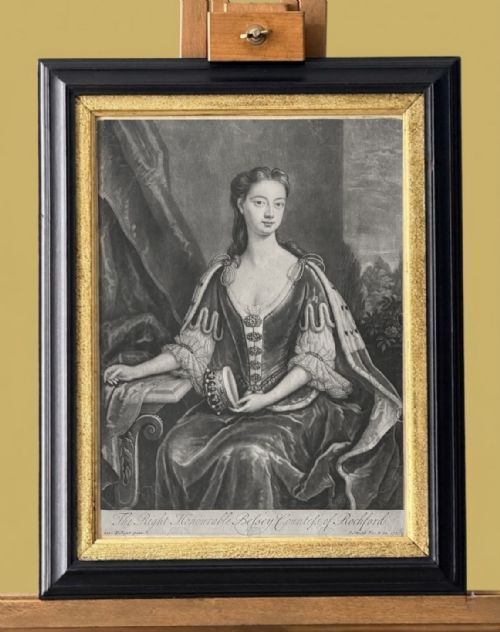
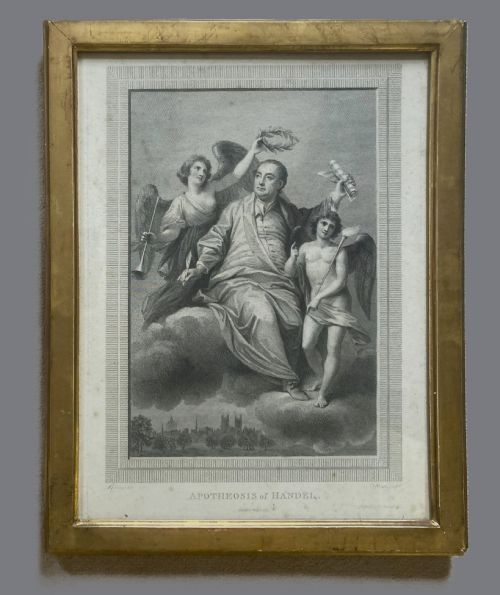
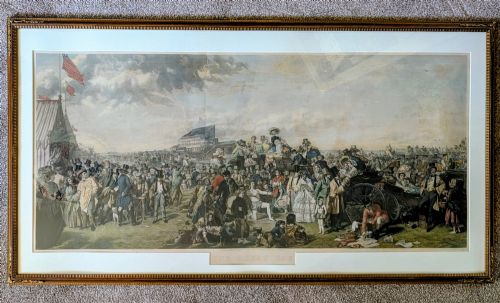
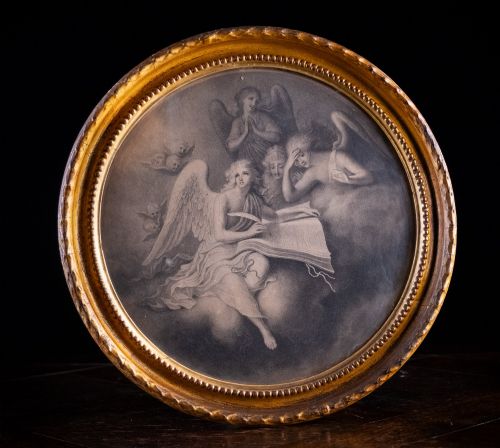
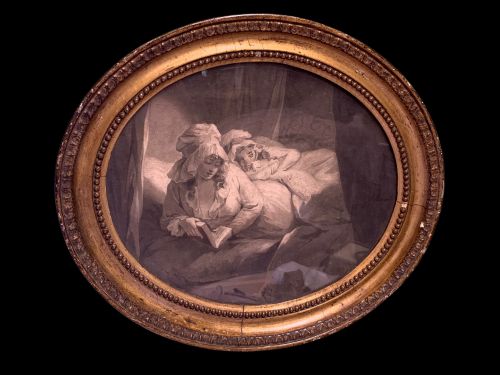
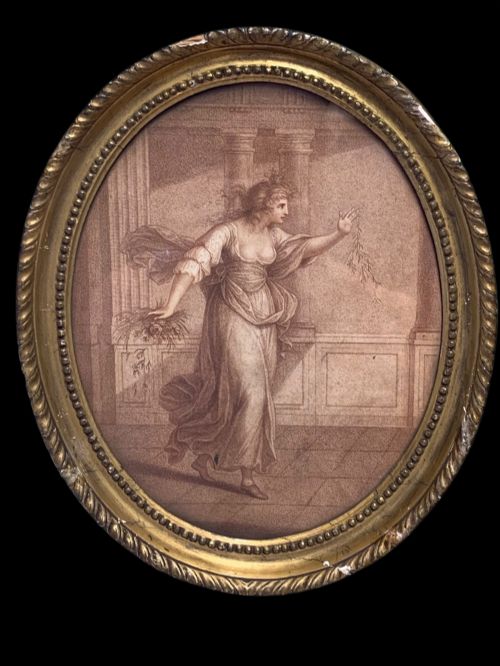

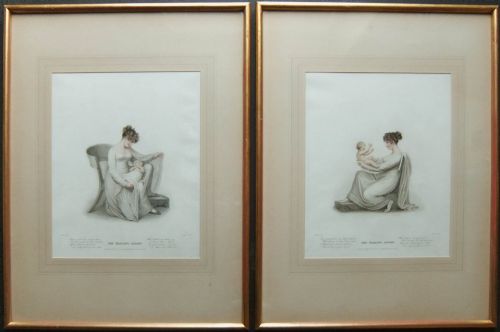
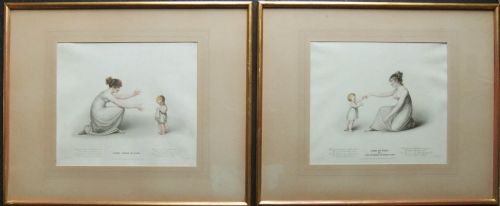
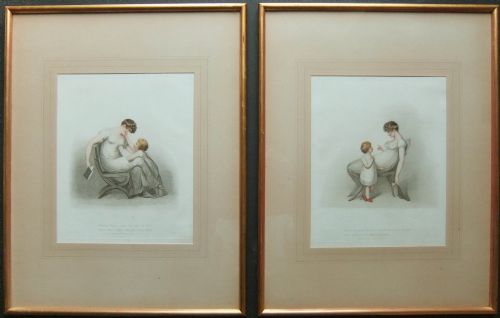
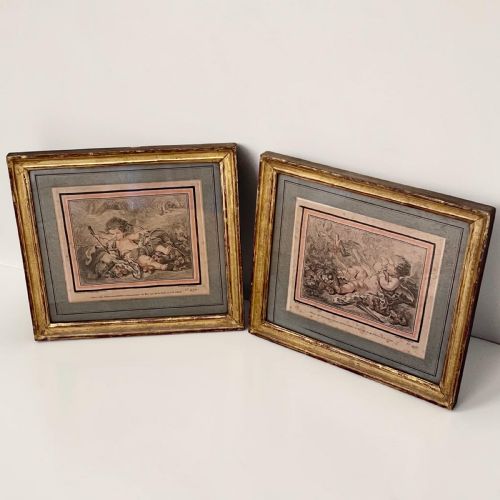
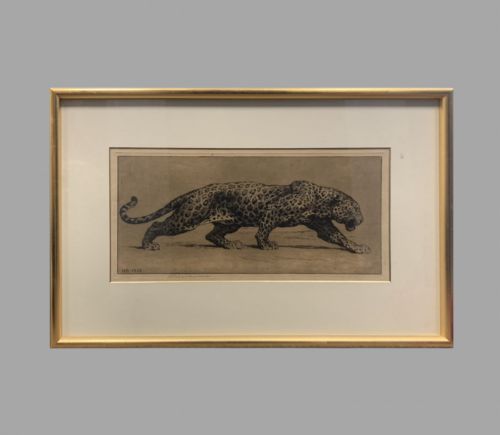
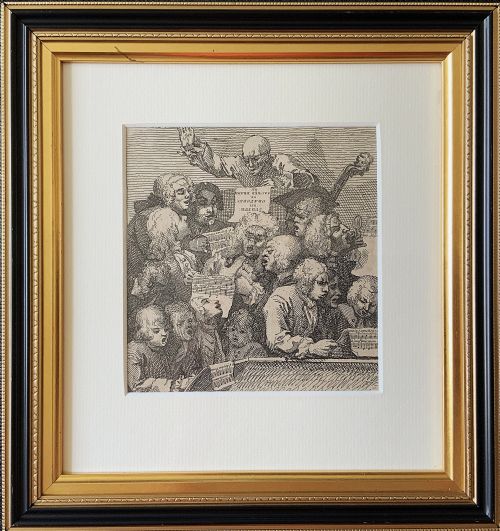
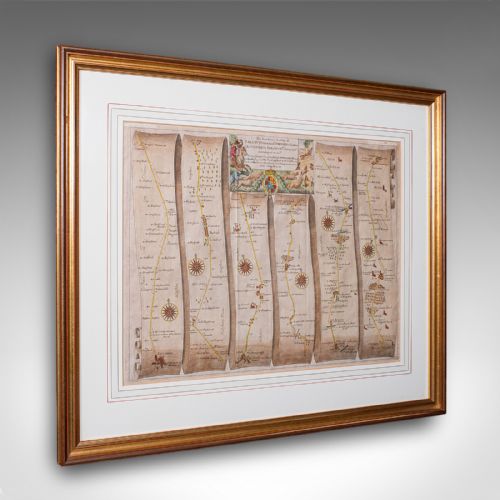
Gold Framed Engraving
When you search for a gold framed engraving, you are looking at centuries of printed art preserved within gilded timber and leaf borders.
Gold Framed Engraving
A gold framed engraving brings together works printed on paper and encased in gilded timber or leaf mouldings, spanning the Georgian, Regency, and Victorian eras. These pieces range from classical portraits and political allegories to natural history illustrations and architectural scenes.
The version most commonly met on this page is the 18th-century or 19th-century impression, often housed in period frames finished in giltwood, gilt, or gold leaf. Such works capture the detailed lines of intaglio printing techniques protected behind clear glass.
Buyers seek these items to introduce period character and traditional craftsmanship to residential or study walls. The combination of fine ink work on paper and lustrous metallic framing creates a balanced focal point in traditional interiors.
Materials and construction methods
The primary visual elements rely on paper substrates marked with ink through intaglio printing processes such as engraving, etching, and mezzotint, occasionally finished with hand colouring. Artisans cut lines into metal plates before transferring the inked design under pressure onto laid or wove paper.
Surrounding these prints are wooden frames finished with gold leaf, giltwood, or applied gold paint, protected by glass panes. The joinery and moulding styles reflect the prevailing tastes of the Georgian and Victorian periods, utilising carved wood and gesso.
Listings feature works spanning from the seventeenth century through the 1930s, utilising paper, ink, and gold leaf.
Factors influencing quality
Quality in a gold framed engraving is determined by the crispness of the plate impression and the original condition of the paper. Early impressions taken before the metal plate wore down show sharper detail and deeper contrast than later reprints.
The integrity and originality of the surrounding gold leaf or giltwood frame heavily influence the piece. Frames retaining their original gilding and glass without modern replacement add significant integrity to the ensemble.
François-Nicolas Martinet·John Smith·James Heath·Adam Buck·Robert Sayer·George Edwards·Edward Stodart·John Flaxman
The Gold Framed Engraving Glossary
- Engraving
- A printmaking technique where an artist carves lines directly into a metal plate with a sharp steel tool called a burin. The resulting incisions hold the ink that transfers to paper under press pressure.
- Mezzotint
- A tonal printmaking method where the copper plate is roughened uniformly to produce rich dark areas and subtle gradations of light. This process was frequently employed for portraits during the eighteenth and nineteenth centuries.
- Giltwood
- Timber, often carved gesso over pine or hardwood, coated with gold leaf or metallic powder. It provides the reflective metallic border characteristic of period frames.
- Stipple engraving
- A method of producing prints by means of dots rather than continuous lines, allowing for delicate flesh tones and subtle shading. It gained popularity in late-eighteenth-century portraiture.
- Artist proof
- An impression of a print taken before the final edition is printed, typically retained by the creator for personal review or sale. These early pulls are valued for their exceptional clarity.
Gold Framed Engraving: Frequently Asked Questions
How do I care for my framed engraving?
Keep the piece away from direct sunlight to prevent the ink and paper from fading over time. Fluctuations in moisture and temperature can harm both the paper and the wooden frame.
Dust the gilded frame gently with a soft, dry cloth without applying chemical cleaners. Ensure the glass remains intact to protect the delicate paper surface from atmospheric pollutants.
Are these prints original to their frames?
Many older pieces retain their original period frames, which show appropriate signs of age and wear consistent with their centuries of existence. Matching a print to a frame from the exact period is a traditional practice in framing antique works.
Inspect the backboards, fixings, and frame joints for indicators of age. Original joinery and hand-applied gold leaf help confirm the period authenticity of the assembly.
What subjects are most common?
Common subjects include classical portraits, botanical and natural history studies, topographical maps, and architectural scenes. Historical events and literary illustrations also appear frequently across these centuries.
Artists often drew inspiration from contemporary theatre, political satire, and natural exploration. This variety allows collectors to focus on specific themes like ornithology or Regency portraiture.
How can I tell an engraving from a lithograph?
Engravings display slight indentations in the paper where the metal plate pressed into the sheet during printing. Under magnification, the ink lines appear slightly raised and extremely sharp.
Lithographs lack this plate mark and rely on a planographic chemical process rather than carved incisions. The surface texture of a lithograph tends to show a pattern of tiny dots or flat ink areas.