





Gold Frame Coastal Picture
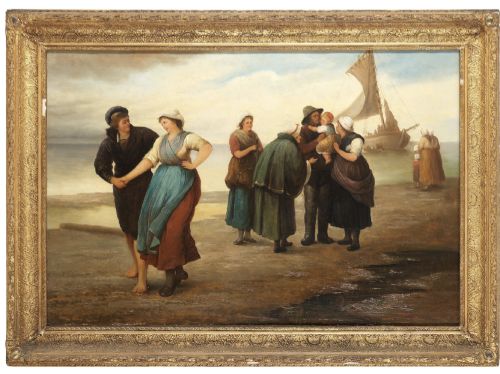
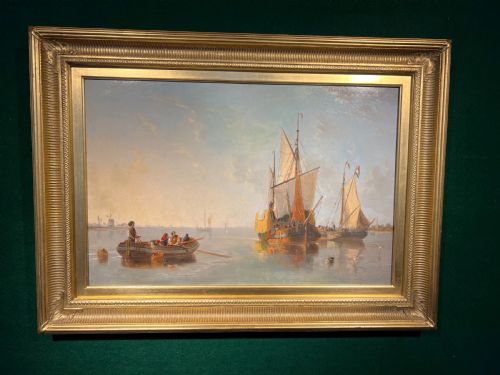
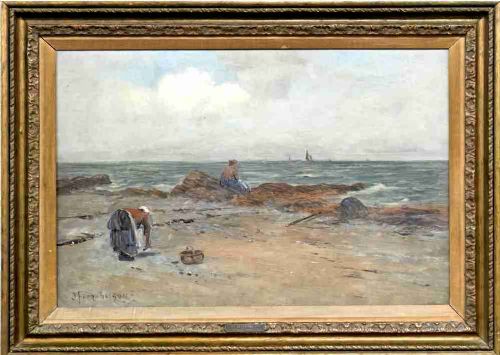
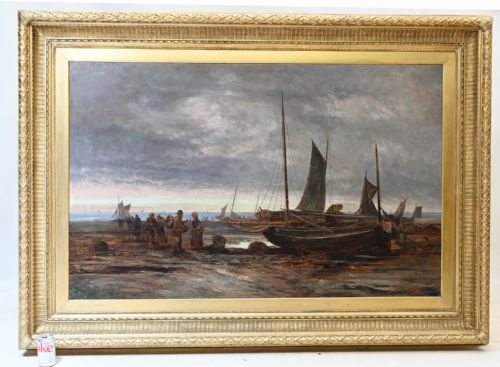
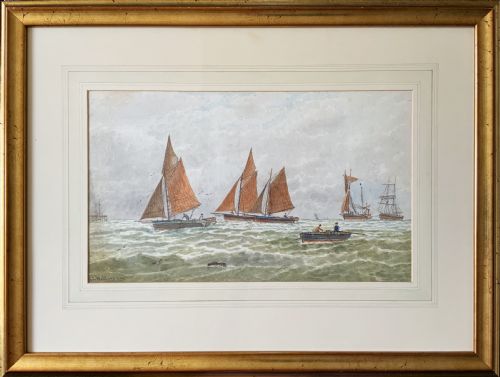
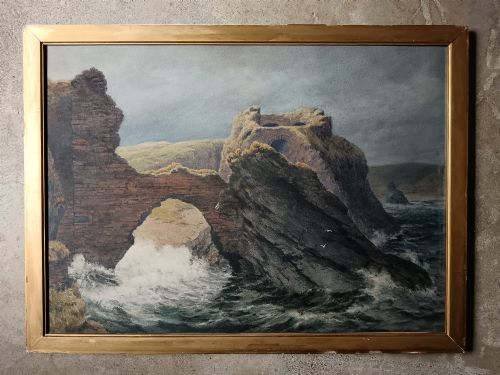
These gold frame coastal picture works capture harbours, vessels and shores in oil and watercolour, held within decorative gilded mouldings.
Gold Frame Coastal Picture
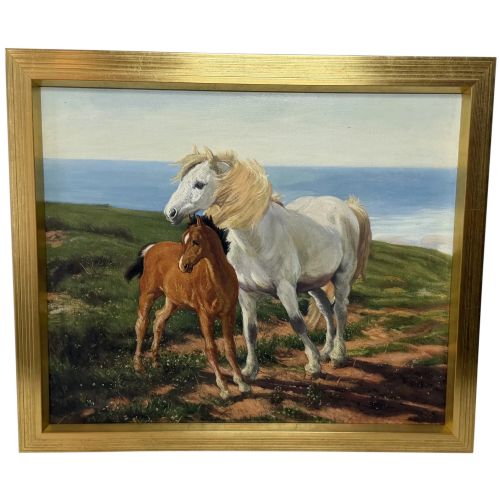
A gold frame coastal picture brings maritime scenes, fishing boats, and shorelines into domestic interiors through oil and watercolour mediums. Buyers searching this phrase encounter nineteenth-century works alongside mid-century interpretations, all united by their nautical subject matter and prominent gilt surrounds.
Victorian maritime art and Edwardian marine paintings form the core of the available selection, ranging from intimate watercolours to large oil canvases. Each piece relies on the juxtaposition of maritime subject matter with reflective metallic frames to draw light into the composition.
Materials and construction
Artists deployed oil paint upon stretched canvas or wood panels, and watercolour applied to paper, capturing the shifting light of sea and sky. Pigments were worked with brush and palette knife to render textured waves, sails, and coastal architecture.
Surrounds are constructed from carved or moulded wood, finished with layers of gesso and gold leaf or metallic paint to create bright, reflective borders. These frames protect the edges of the canvas or paper while complementing the tones of the painting within.
Surrounds recorded in the inventory comprise carved wood, paper, glass, and heavy gilt wood mouldings housing oil and watercolour paintings.
Assessing quality in coastal art
Quality rests upon the artist's ability to handle light, atmosphere, and maritime perspective within oil or watercolour mediums. Superior examples demonstrate confident brushwork in rendering water movement, vessel rigging, and atmospheric coastal weather.
The integrity and originality of the surrounding gilt wood frame heavily influence the standing of the piece. Hand-carved period mouldings with intact gilding elevate the presentation, whereas mismatched or later replacements alter the historical balance of the artwork.
John Wilson Carmichael·Joseph Farquharson·George Stanfield Walters·Charles Napier Hemy·Gustave De Bréanski·Eugene Joseph Verboeckhoven·Alfred Henry Vickers
The Gold Frame Coastal Picture Glossary
- Oil on Canvas
- Pigment mixed with drying oil applied to a woven fabric support stretched across a wooden frame. This technique allows for rich colour saturation and textured impasto application.
- Gilt Wood
- Timber carved or moulded and coated with gold leaf or metallic powder. It provides a reflective border designed to project light outwards from the artwork.
- Watercolour
- Paint consisting of colour suspended in a water-soluble binder, traditionally applied to paper sheets. It creates translucent washes that capture the pale light of coastal skies.
- Maritime Art
- Depictions of ships, harbours, beaches, and the open sea. This genre encompasses historical naval engagements as well as quiet domestic fishing ports.
Gold Frame Coastal Picture: Frequently Asked Questions
What subjects appear in these paintings?
These works depict fishing vessels, lighthouses, rugged cliffs, and busy harbours along British and European shores. Scenes range from calm coastal bays to dramatic shipwrecks and stormy seas.
Artists recorded specific locations such as Cornish ports, Scottish castles, and Italian coastlines, often including local figures engaged in maritime labour.
How do I hang a heavy framed canvas?
Large oil paintings require secure picture hooks fixed directly into wall studs or masonry using appropriate wall plugs. The weight of the timber and gesso moulding demands robust picture wire attached to sturdy screw-eyes on the stretcher frame.
Position the work at eye level where natural light can strike the gilt surface, enhancing the luminosity of the coastal scene within.
Are these watercolours vulnerable to light?
Watercolour paintings on paper are sensitive to direct sunlight and can fade if exposed to intense ultraviolet rays over long periods. Display these works away from south-facing windows and direct sunbeams to preserve the integrity of the pigments.
Glazing with protective glass helps shield the delicate paper surface from atmospheric moisture and dust accumulation.
How can I tell a Victorian painting from a mid-century piece?
Nineteenth-century works typically employ traditional academic techniques with detailed brushwork, naturalistic palettes, and heavy, ornate gilt frames. Mid-century examples often display looser impressionistic strokes and simplified forms reflecting modernist shifts.
Examining the canvas preparation, stretcher construction, and the style of the timber moulding offers further clues regarding the date of creation.