


Gold Frame Baroque Painting
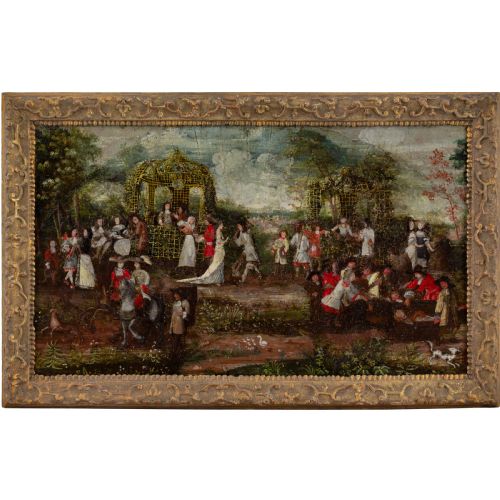
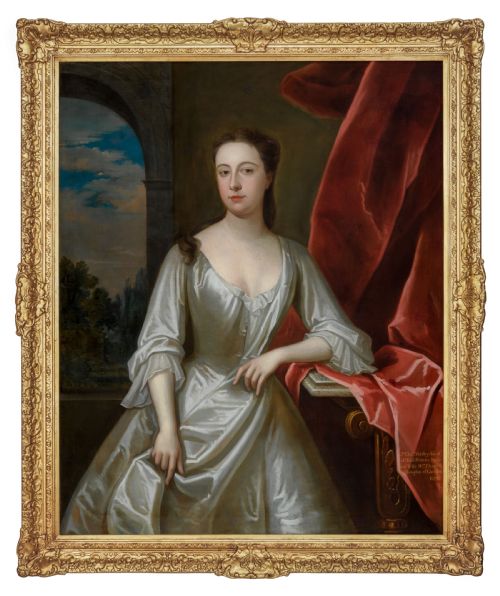
A gold frame baroque painting brings the drama of the seventeenth and eighteenth centuries into a room through rich oil portraits and mythological scenes.
Gold Frame Baroque Painting
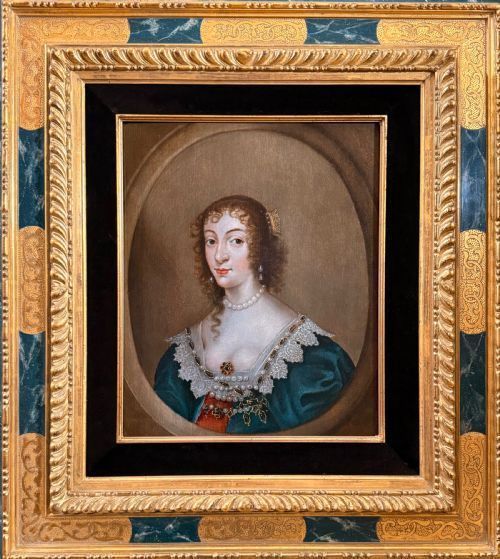
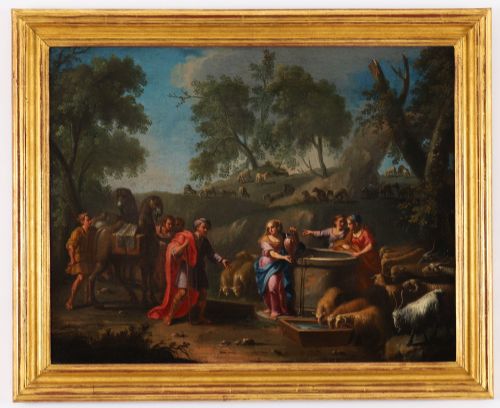
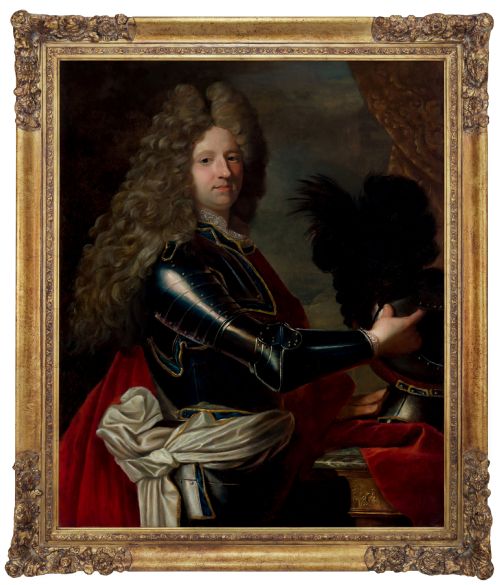
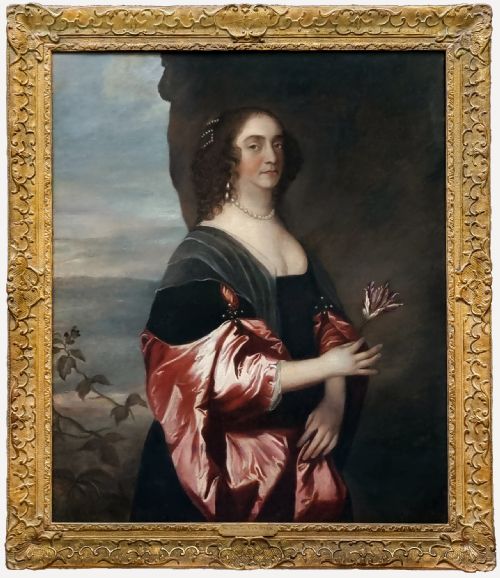
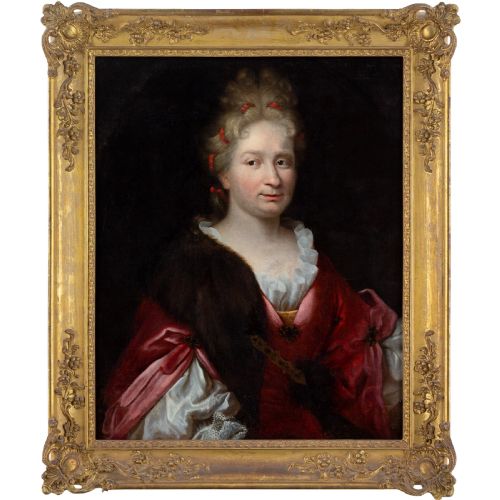
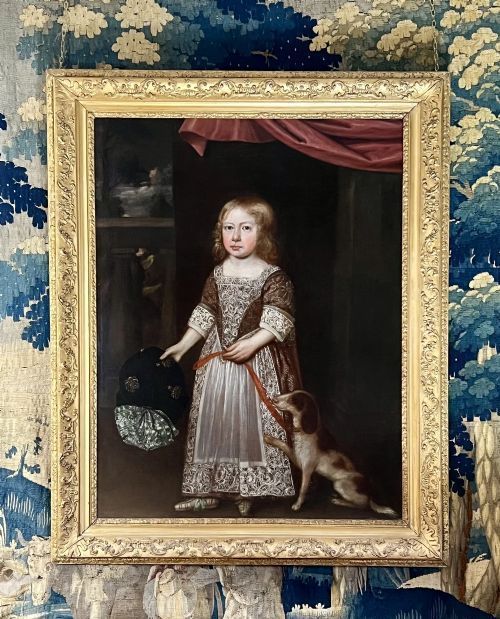
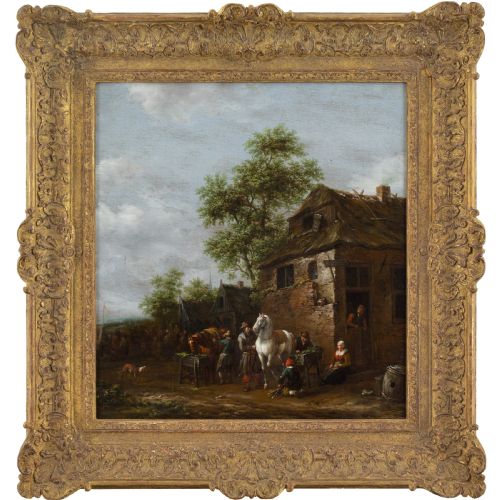
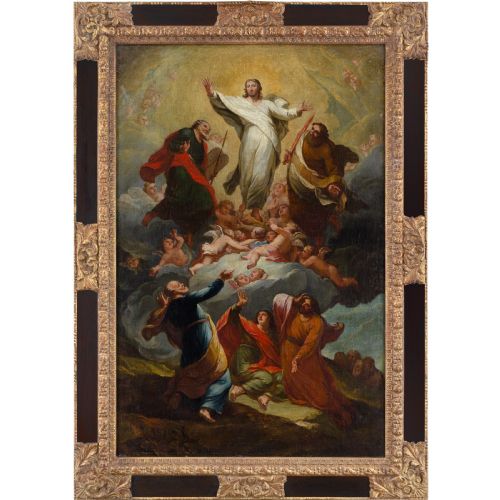
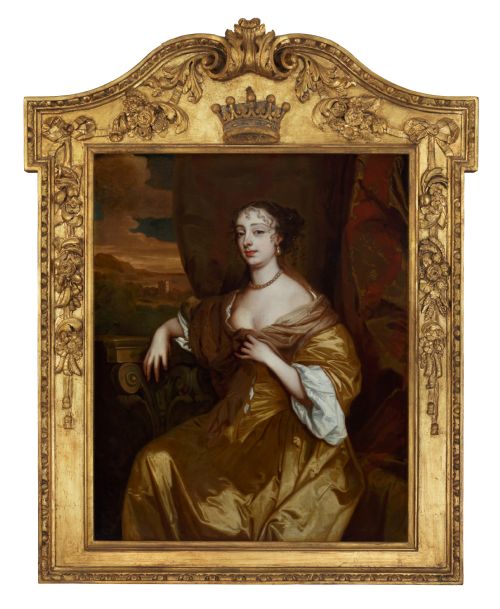
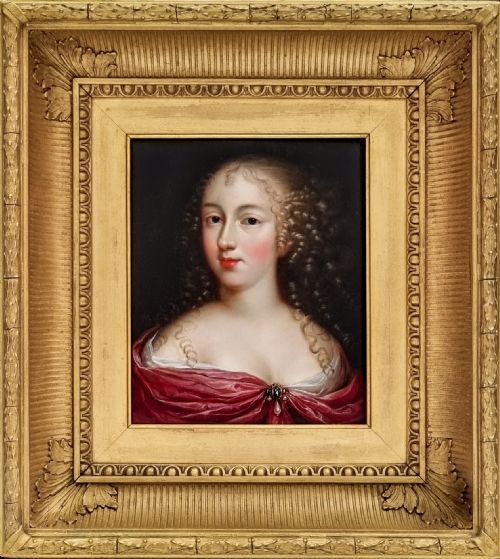
When searching for a gold frame baroque painting, buyers encounter works executed in oil on canvas or wood panels, predominantly originating from seventeenth and eighteenth-century European schools. Portraiture of nobility and officers dominates the selection alongside classical mythological scenes set in ornate surrounds.
Italian, Flemish, Dutch and English schools represent the primary geographical origins seen in these listings. The visual language relies on theatrical lighting, deep shadows and elaborate carved timber surrounds that define the baroque aesthetic.
Materials and construction
Painters applied oil paint to stretched canvas or oak panels, building up layers of pigment to achieve deep tonal contrasts. Canvases typically show fine craquelure developed over centuries of ageing.
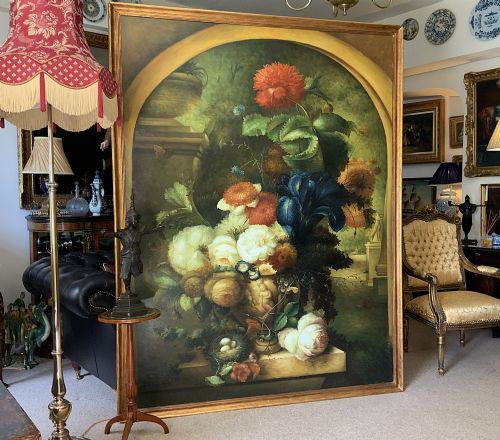
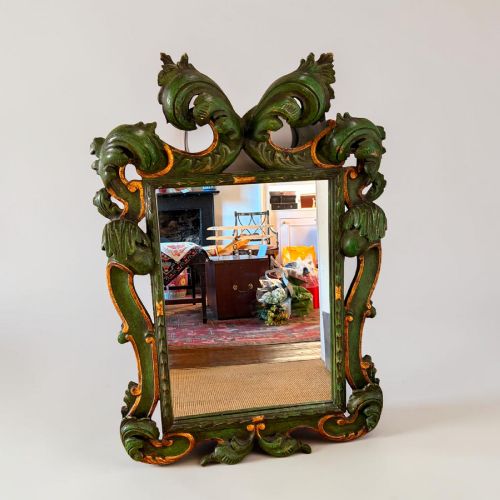
The surrounds consist of carved wood, finished with gold leaf or gilded layers over a gesso base. These frames feature heavy moulding, acanthus scrolls and deep profiles designed to project the artwork outward.
Listings span the seventeenth and eighteenth centuries, featuring oil on canvas, oak panel, and carved giltwood materials.
Judging quality in baroque art
Quality rests upon the handling of anatomy, fabric textures and the expressive depth of the subject. Master works demonstrate confident brushwork in lace, armour and skin tones, whereas lesser pieces reveal stiff rendering and flat application.
The harmony between painting and surround dictates overall integrity. Period-matching carved giltwood surrounds that retain their original leaf layer hold greater weight than later replacements.
Sir Godfrey Kneller·Jean-Baptiste van Loo·Sir Peter Lely·Michael Dahl·Frans Snyders
The Gold Frame Baroque Painting Glossary
- Baroque
- A European artistic style spanning the seventeenth and mid-eighteenth centuries, characterised by exaggerated motion, deep shadow and dramatic tension.
- Giltwood
- Timber coated with gold leaf or gold paint applied over a prepared gesso ground. This finish provides the characteristic metallic sheen on period frames.
- Craquelure
- A fine network of microscopic cracks across the surface of an oil painting. This natural ageing indicator develops as paint films harden over decades.
- Provenance
- The documented history of ownership surrounding an artwork. Clear lineage supports the attribution to specific painters or schools.
- Old Master
- A term applied to European painters of high skill working before the nineteenth century. These artists usually trained within established workshop traditions.
Gold Frame Baroque Painting: Frequently Asked Questions
How do I clean a giltwood frame?
Dust the carved surfaces gently with a soft, dry brush to remove particles without disturbing the underlying metallic leaf. Avoid liquid cleaners or chemical solvents which strip historical gilding.
Professional conservators should handle any deeper restoration work involving flaking gesso or exposed timber beneath the gold layers.
Are these paintings on canvas or panel?
Most examples utilise stretched canvas as a primary support, though occasional pieces appear on oak panels. Canvas works often display age-related craquelure across the painted surface.
Panel works require stable environmental humidity to prevent warping of the timber substrate over time.
How should I hang a heavy framed painting?
Secure the hanging hardware directly into wall studs using rated fixings capable of supporting the substantial weight of carved timber and plaster. Heavy baroque frames require robust picture wire or steel brackets.
Position the work away from direct sunlight and heat sources to protect the oil pigments and wooden substrate from thermal shock.
What defines the Dutch Golden Age style?
This regional style focuses on realistic portraiture, genre scenes and landscapes with remarkable attention to light and texture. Painters captured domestic interiors and individual character with precise brushwork.
Works from this tradition often feature subdued palettes punctuated by vivid details in clothing and domestic objects.