
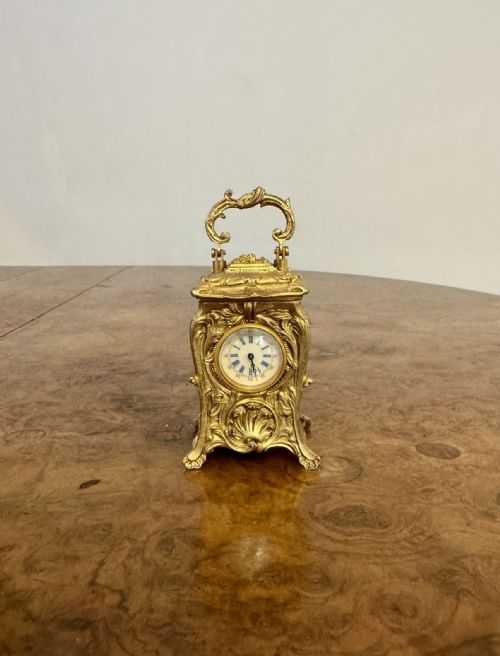


Gold Desk Timepiece
A gold desk timepiece brings precision and decorative weight to a study, combining mechanical ingenuity with period metalwork.
Gold Desk Timepiece
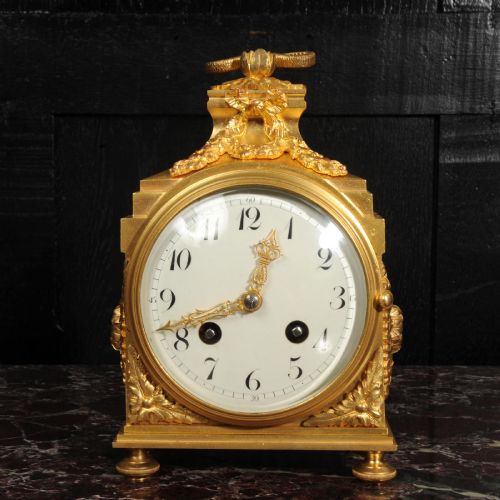
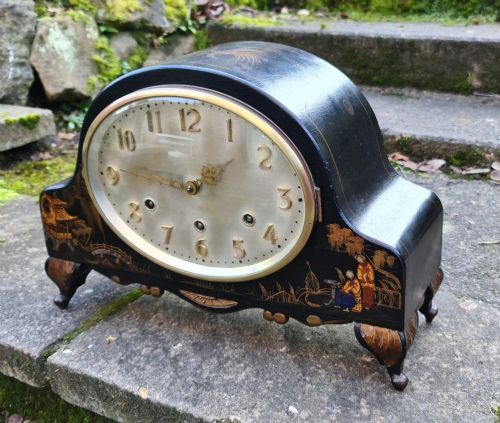
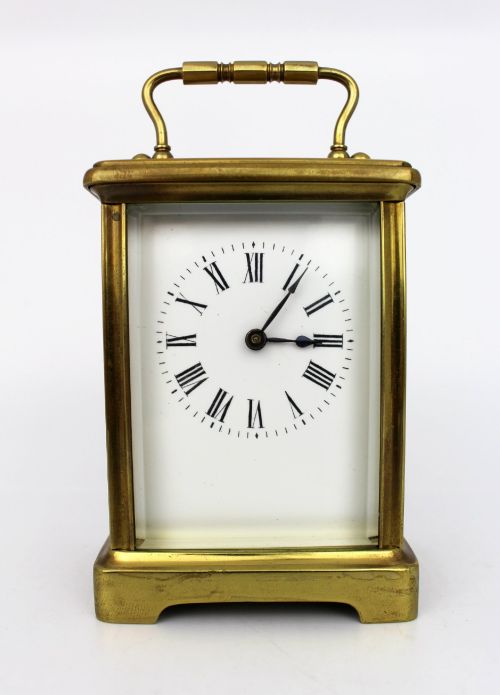
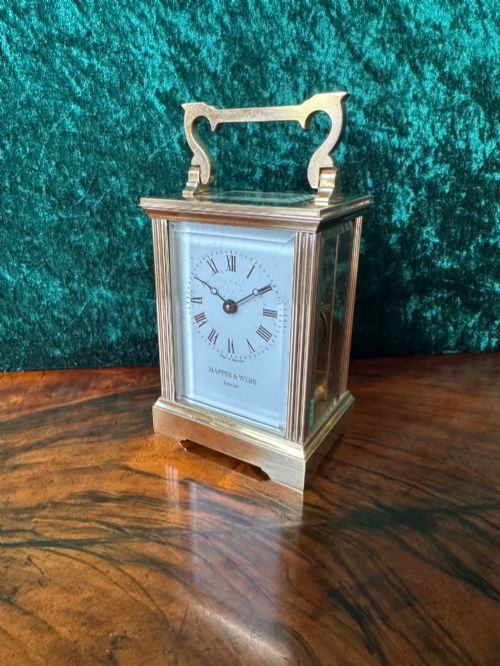
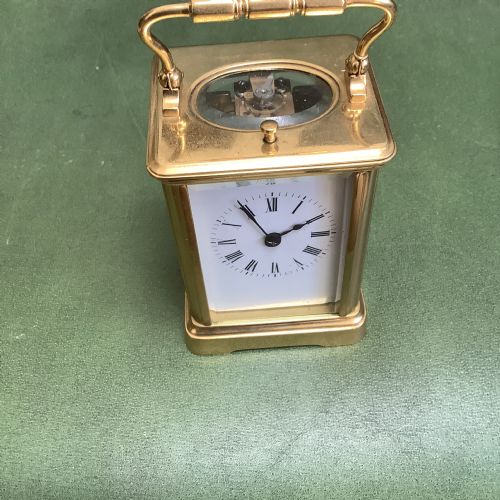
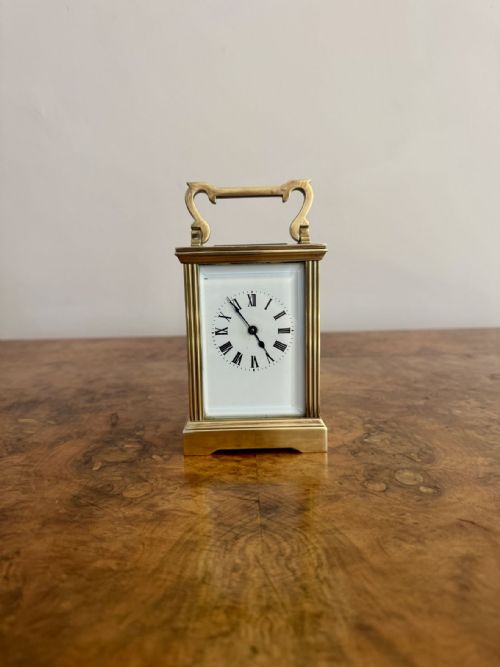
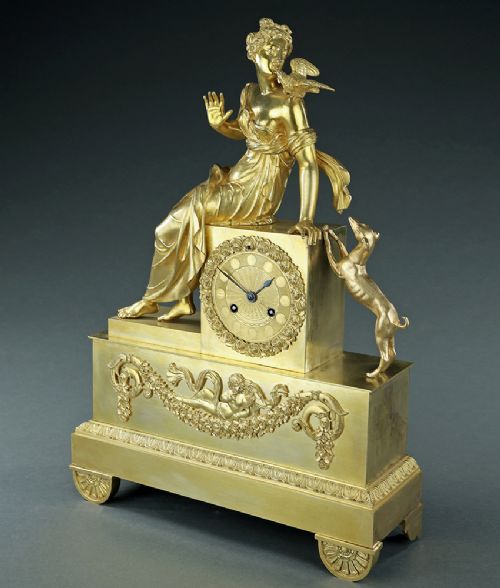
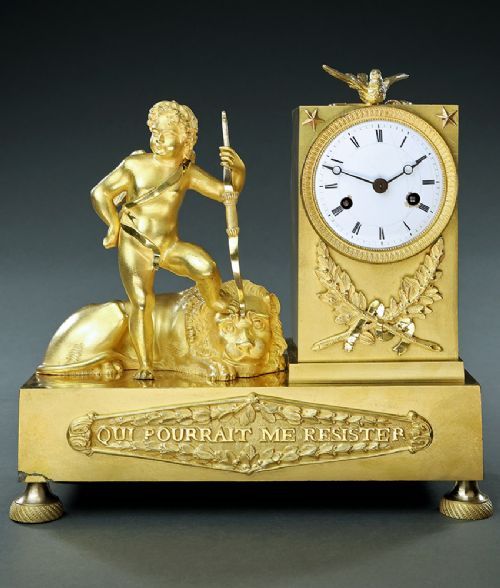
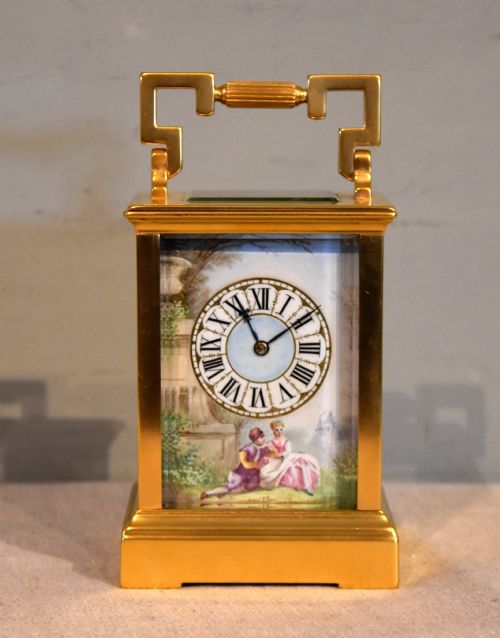
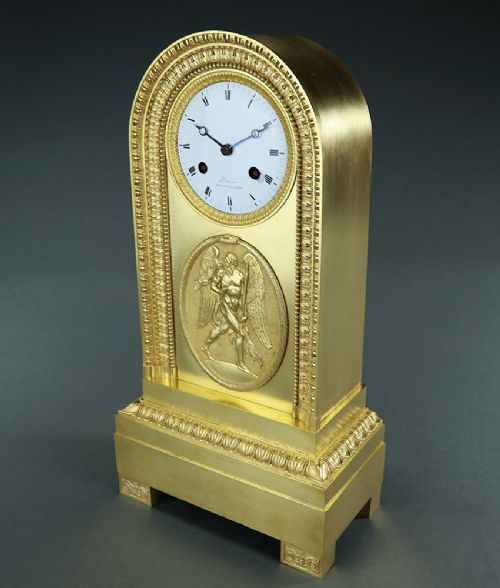
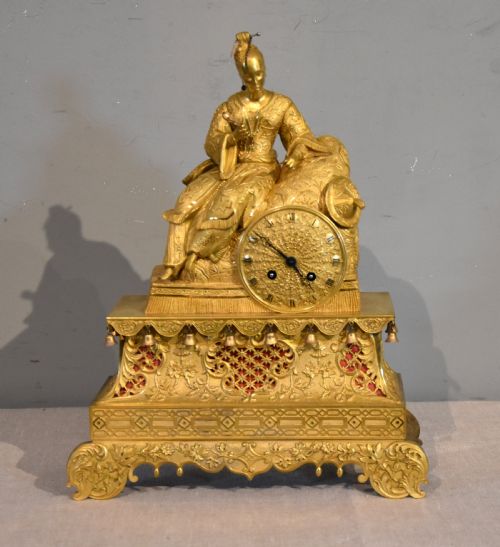
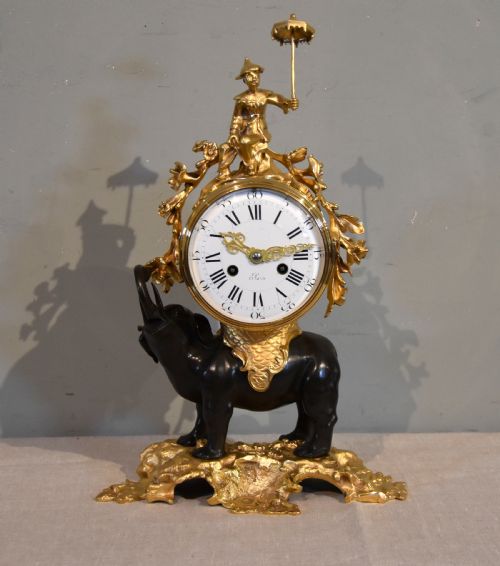
A gold desk timepiece covers portable carriage clocks, miniature mantel pieces, and strut clocks fashioned in brass, gilt bronze, and ormolu. Buyers seeking a gold desk timepiece will frequently encounter French and English examples from the nineteenth and early twentieth centuries, spanning Victorian, Edwardian, and French Empire styles.
How they were made
Horologists built these timepieces using brass, gilt bronze, and ormolu frames, housing mechanical movements driven by springs or fuses. Many models incorporate glass panels to reveal the escapement, while others feature champlevé enamel, porcelain plaques, or patinated bronze figures.
Casting and fire-gilding methods produced the heavy ormolu and gilt brass mounts characteristic of French Rococo and Empire designs. Cases often required precision hand-engraving on the brass framework, alongside fitted leather travel cases for portable carriage models.
What varies in quality
The distinction between tiers rests upon the crispness of the gilt casting and the complexity of the movement, such as repeat striking mechanisms or calendar complications. Heavier ormolu mounts, fully engraved gilt brass cases, and signed movements by known makers separate standard production items from finer studio work.
Originality of the gilding, the presence of matching travel cases, and the intricacy of decorative elements like champlevé enamel or figural sculpture dictate the standing of an individual piece within its period.
Mappin and Webb·Drocourt Paris·Antoine Redier of Paris·Samuel Marti·Duverdrey and Bloquel
The Gold Desk Timepiece Glossary
- Ormolu
- Gilt bronze produced by applying a mercury and gold amalgam to a bronze base, fired to leave a rich golden finish.
- Carriage clock
- A small, portable spring-driven timepiece designed for travel, typically fitted with a carrying handle and glass sides.
- Champlevé
- An enamelling technique where troughs are dug into metal and filled with vitreous enamel before firing.
- Escapement
- The internal mechanism that controls the release of power in a clock to regulate the movement of the hands.
- Gorge case
- A stepped, rectangular brass housing common on nineteenth-century carriage clocks.
Gold Desk Timepiece: Frequently Asked Questions
How do I wind a carriage clock?
Most mechanical carriage clocks require a dedicated winding key inserted into the arbour at the back of the movement. Turn the key gently until resistance indicates the mainspring is fully tensioned.
Avoid over-winding, as this can damage the internal spring mechanism. Ensure the clock is stationary on a level surface before operating.
How do I tell an alarm clock apart?
Alarm models usually include a secondary hand on the dial and a dedicated winding arbour for the strike train on the backplate. Some versions also feature an external bell or gong mechanism mounted within the case.
Standard timepieces lack these extra strike trains and rely solely on a single gear train for timekeeping.
Where should I place a desk timepiece?
Position your timepiece on a stable, level surface away from direct sunlight, draughts, and moisture. Desks, mantelpieces, and side tables are traditional locations that protect the mechanism from vibrations.
Ensure the environment remains at a stable room temperature to preserve the integrity of the metals and enamel.