


Gold Decorative Frame
A gold decorative frame brings warmth and reflected light to a room, holding everything from oil paintings to mirrors.
Gold Decorative Frame
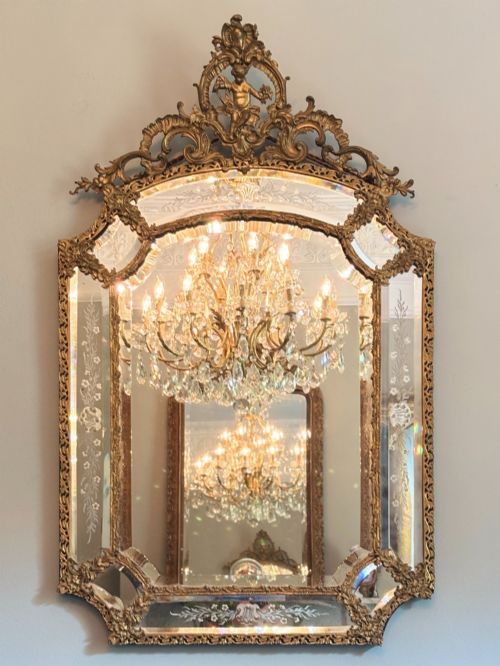
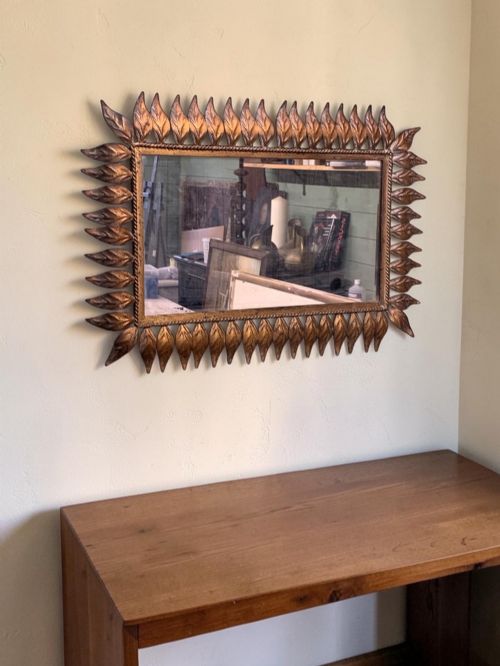
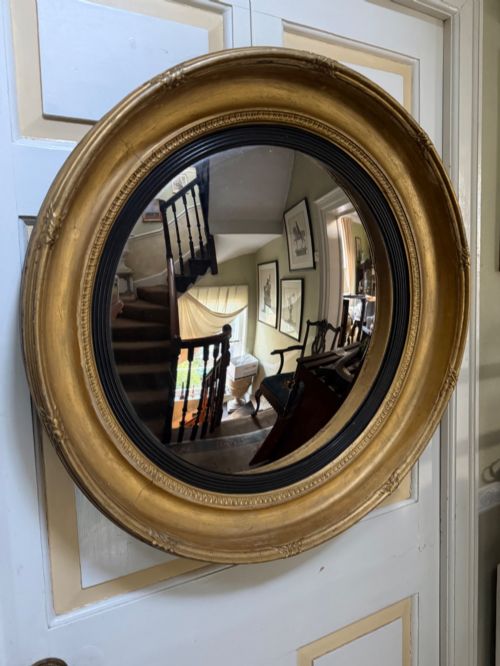
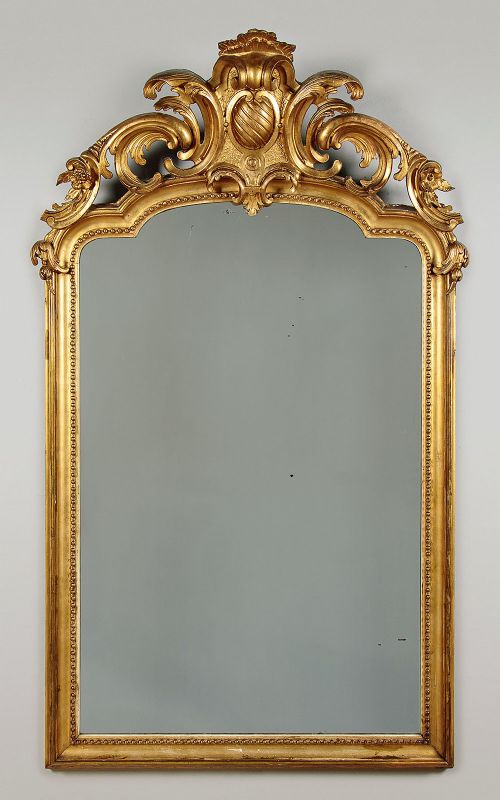
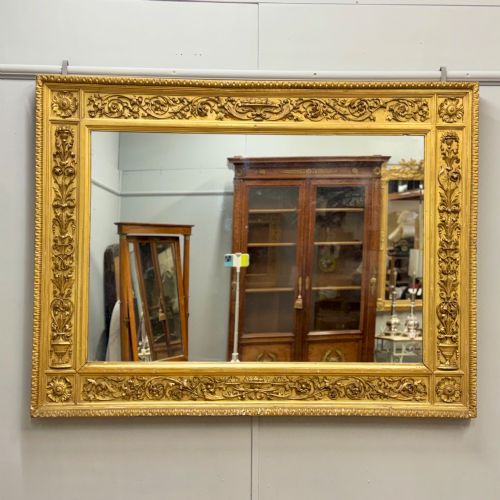
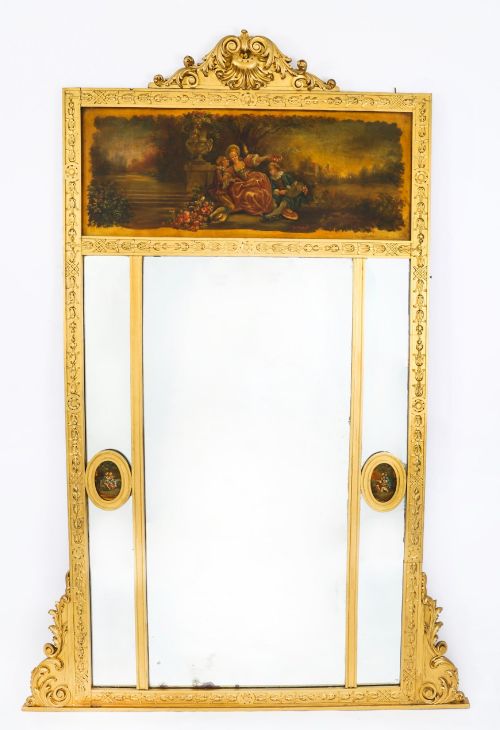
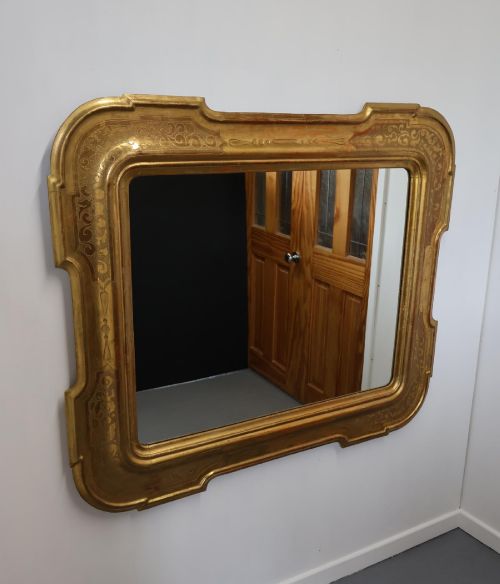
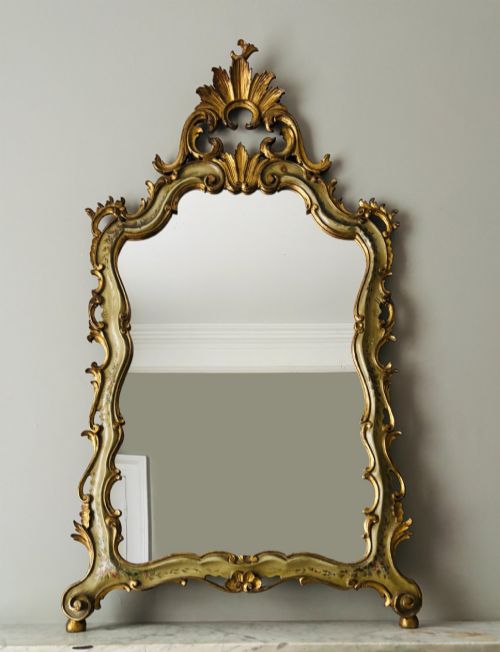
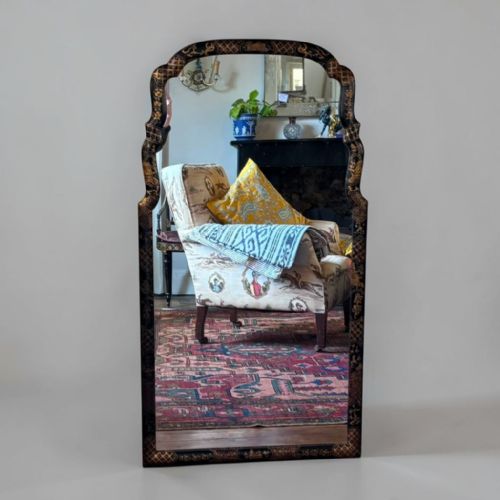
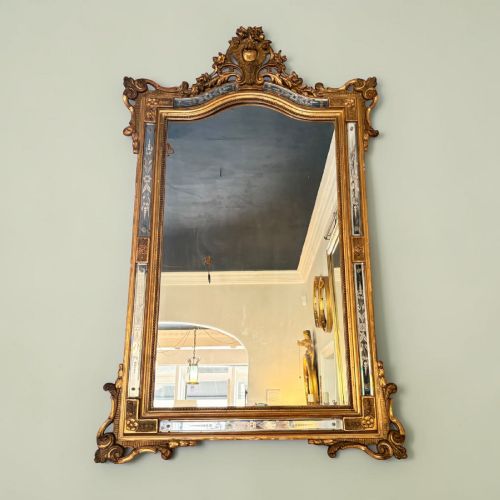
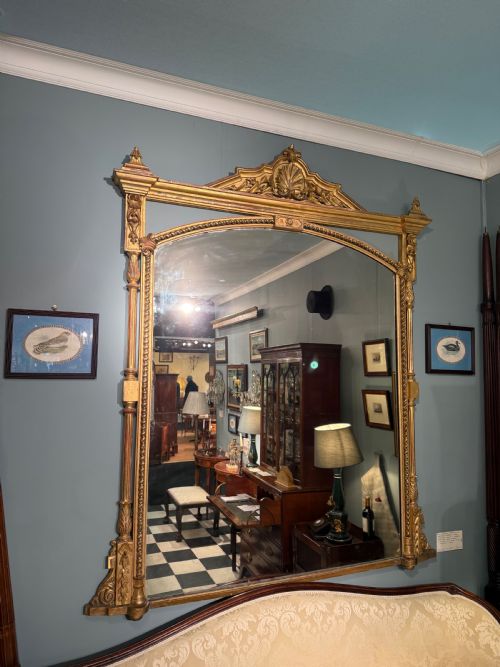
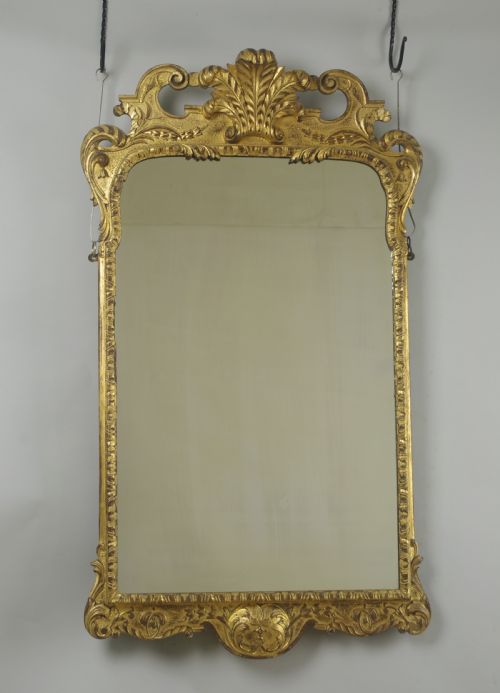
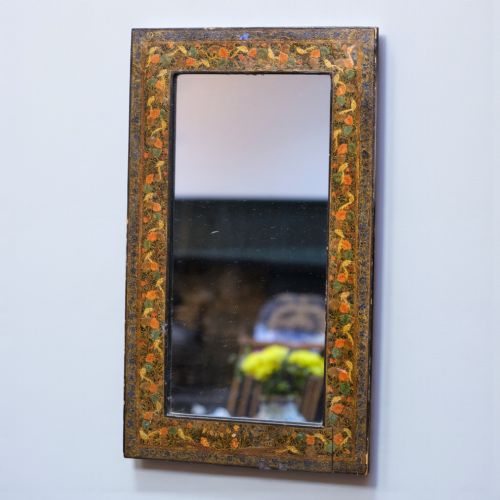
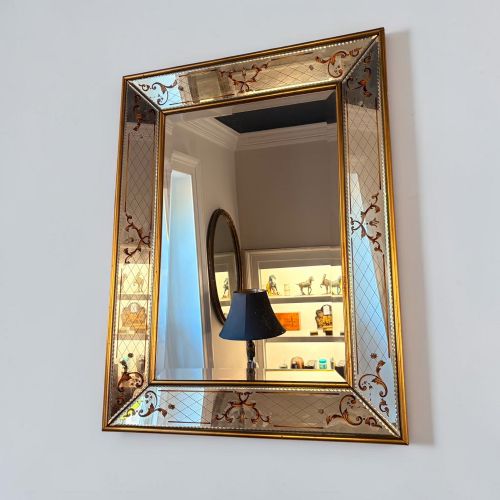
A gold decorative frame is an architectural accent designed to elevate mirrors, artwork, and wall panels. When searching for a gold decorative frame, buyers encounter pieces spanning the eighteenth through the early twentieth centuries, with nineteenth-century examples appearing most frequently.
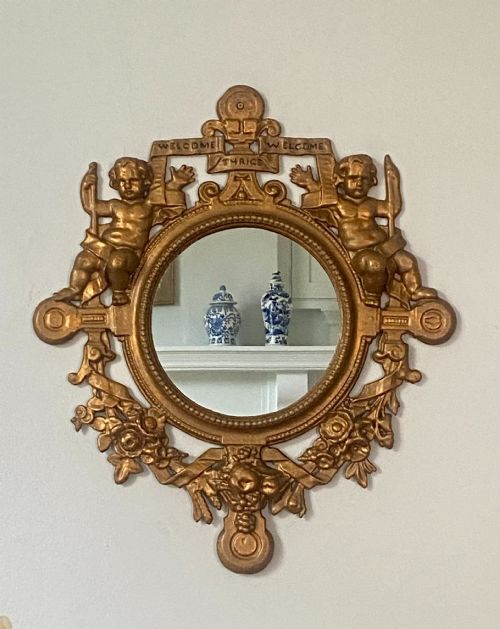
The selection ranges from grand overmantle mirrors and French chateau styles to small picture frames and girandoles. Carved wood, gesso, and giltwood form the backbone of these pieces, alongside variants in ebonised wood and painted polychrome.
Origin points stretch across English, French, and Italian workshops, bringing distinct regional interpretations of Rococo and Neoclassical aesthetics to the wall. Overmantle mirrors and wall mirrors dominate the forms, offering substantial focal points for domestic interiors.
How they were made
Craftsmen built the foundations of these pieces using carved timber, wood, and walnut, providing stable structures for subsequent ornamentation. Gesso was applied over the carved wood to create smooth surfaces capable of holding crisp, intricate relief details.
Gold leaf and parcel-gilt treatments were then applied by hand to impart a metallic sheen, sometimes complemented by paint, ebonising, or gilt bronze. Glass plates, including engraved and foxed varieties, were fitted into the finished frames to complete mirrors and decorative panels.
Gold Decorative Frame Retail Price Guide 2026
Typical asking prices for gold decorative frame among the pieces listed under this phrase on Sellingantiques today, from the lower quarter to the upper quarter. They describe what is for sale here now, not the wider market.
Listings feature pieces spanning the 18th century through the 1930s, constructed from giltwood, gesso, ebonised wood, and gilt bronze.
What varies in quality
Quality rests upon the depth and crispness of the carving within the wood and gesso layers. Finer examples display hand-worked detail that retains sharp relief, whereas lesser pieces show softer, shallower moulding.
The application and preservation of the gold leaf also distinguish the work, with even coverage and genuine metal leaf indicating superior craftsmanship. Furthermore, the integrity of the underlying timber frame and the character of original glass plates separate standard production from exceptional pieces.
The Gold Decorative Frame Glossary
- Giltwood
- Wood that has been coated with gold leaf or gold powder. This finish gives frames their characteristic metallic warmth.
- Gesso
- A plaster-like mixture applied to wood frames before gilding. It provides a smooth base for intricate carved details.
- Overmantle mirror
- A large mirror designed to hang above a fireplace mantel. These pieces often feature substantial proportions and decorative crests.
- Girandole
- A branched wall fixture holding candles or lights, usually incorporating a mirror. They reflect candlelight to brighten interior spaces.
- Eglomise
- A process of applying gold or silver leaf to the reverse side of glass. This technique creates a reflective, decorative panel.
Gold Decorative Frame: Frequently Asked Questions
How do I hang a heavy overmantle mirror?
Heavy overmantle mirrors require secure attachment directly into wall studs or masonry using heavy-duty brackets. Professional installation ensures the substantial weight of the timber and glass is supported safely.
Position the mirror at a height that reflects eye-level details or overhead light fixtures effectively. This placement balances the room and maximises the reflective qualities of the gilt frame.
Where should I place a girandole?
Girandoles suit spaces where reflected light and architectural interest are needed, such as hallways or flanking a fireplace. The attached arms originally held candles to amplify ambient illumination.
Keep them away from direct heat sources and excessive moisture to protect the giltwood and gesso surfaces. Paired arrangements work well on narrow wall spaces between doors or windows.
How do I clean a antique gilt frame?
Dust antique gilt frames gently with a dry, soft brush or a feather duster. Avoid using commercial cleaning sprays or water, which can damage fragile gesso and gold leaf.
If stubborn grime accumulates, consult a professional conservator rather than attempting chemical cleaning. Gentle, regular dusting preserves the delicate metallic finish over time.
What is parcel-gilt?
Parcel-gilt refers to an object that is only partially gilded, leaving other materials such as ebonised wood or walnut exposed. This technique creates visual contrast between the dark wood and the gleaming gold leaf.
Craftsmen used this method during the Victorian and earlier periods to highlight specific carved motifs. It draws the eye directly to the ornamentation without overwhelming the entire piece.