




Gold Daisy Engagement Ring
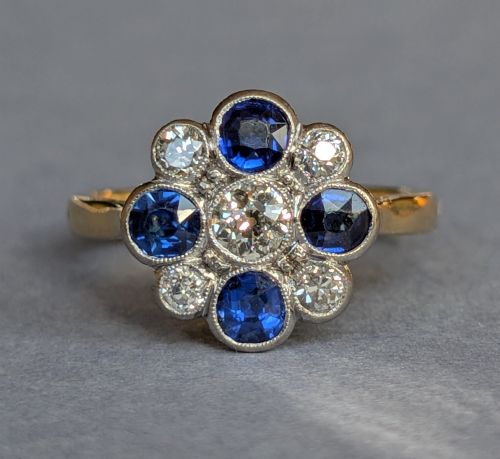
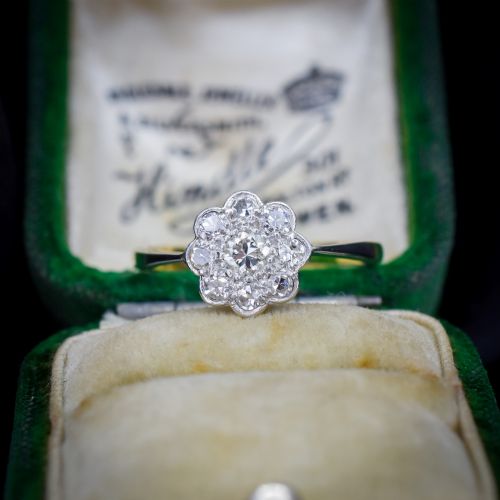
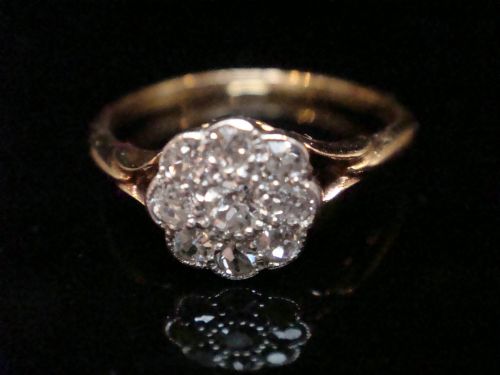
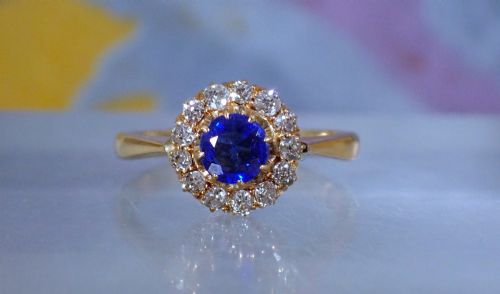
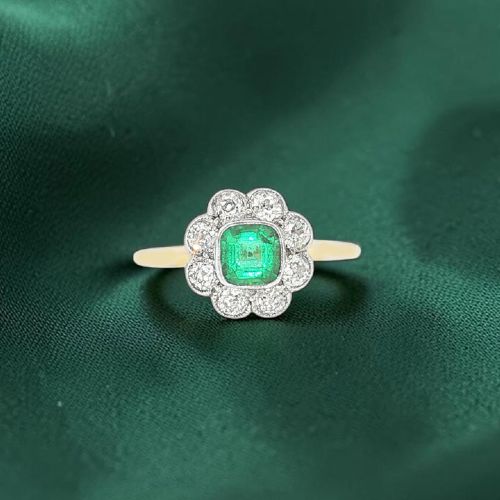
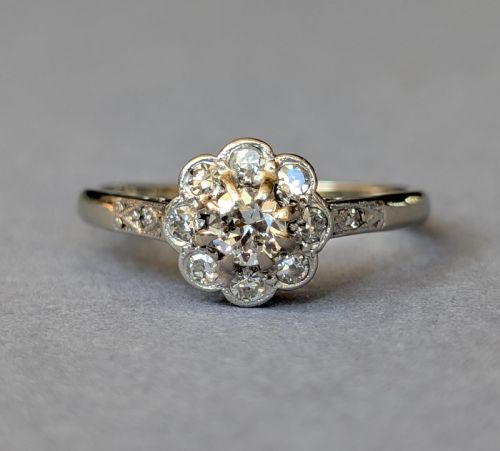
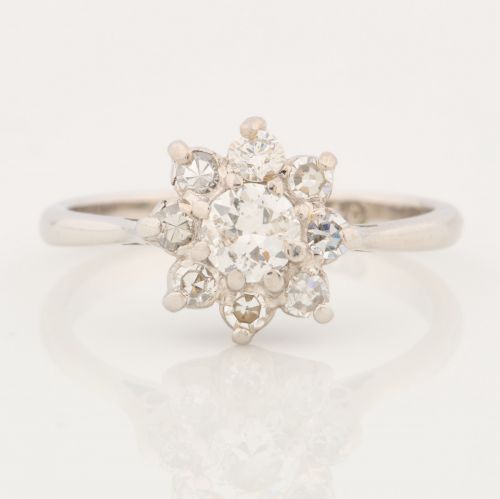
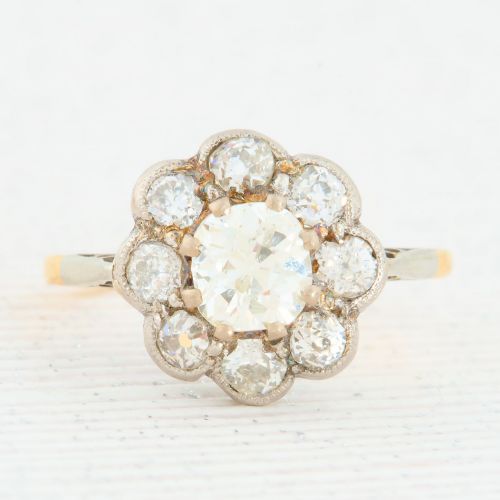
A gold daisy engagement ring brings together a central stone encircled by petals of diamonds, carrying the romance of Victorian and Edwardian craftsmanship.
Gold Daisy Engagement Ring
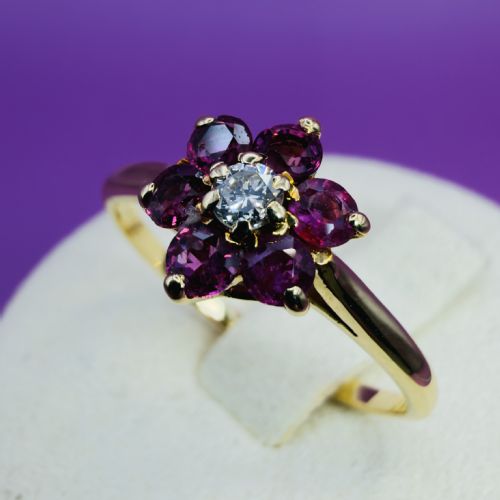
The materials recorded in these designs combine 18ct yellow gold, 18ct white gold, and platinum settings that hold diamonds alongside coloured stones like sapphires, emeralds, and rubies. The cluster configuration allows light to enter the stones from multiple angles, creating a lively sparkle on the hand.
Most examples originate from the early twentieth century, drawing on Edwardian elegance and George V styles, though mid-century vintage variations also appear. Buyers seeking this phrase encounter a rich variety of floral and target cluster configurations rooted in historical goldsmithing traditions.
How They Were Made
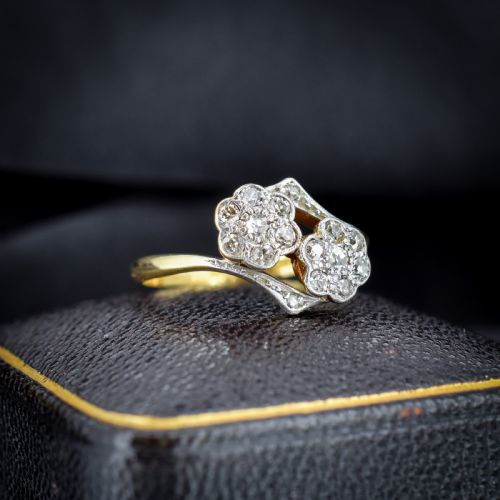
Goldsmiths utilised 18ct gold for the main shank and body of the ring, frequently combining it with platinum to secure the diamond settings securely. This technical choice enabled artisans to craft delicate petal arrangements without sacrificing the structural integrity required for daily wear.
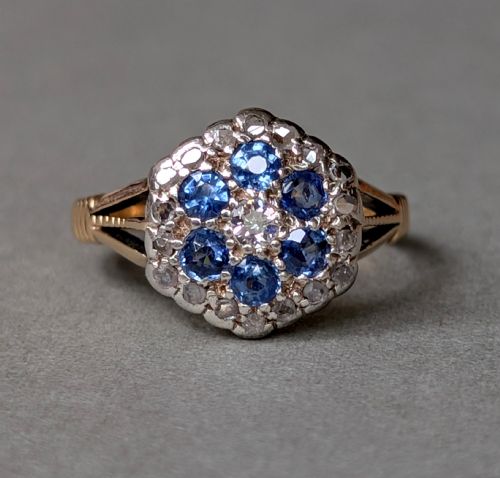
Stones in these rings were cut by hand, predominantly featuring old cut diamonds that exhibit softer facets than modern brilliant cuts. Gemstones like sapphires and rubies were shaped and calibrated to fit tightly in cluster formations around the central focal point.
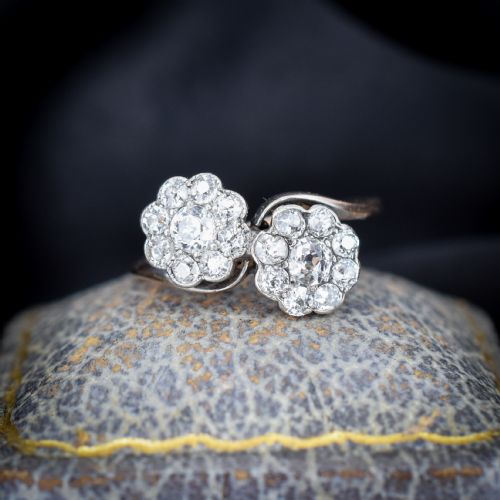
Some antique rings feature a double twist band, giving the impression that the gold stem wraps twice around the finger to hold the floral bloom.
What Varies in Quality
The overall harmony of the petal arrangement and the precision of stone matching define the upper tier of these pieces. Master jewellers ensured that surrounding diamonds shared uniform proportions and colour grades to create a convincing floral bloom.
Hand-finished details, such as delicate millegrain edging on platinum settings and pierced gallery work beneath the cluster, separate standard workshop production from finer artisanal examples. The retention of original stone cuts and minimal wear to the gold shanks also influence the character of each ring.
The Gold Daisy Engagement Ring Glossary
- Cluster ring
- A ring setting where a central stone is surrounded by a group of smaller stones. This layout forms the geometric foundation of every daisy design.
- Old cut diamond
- A diamond cut by hand before modern machinery standardised proportions, characterised by a smaller table and a high crown. These stones scatter candlelight with a distinctive soft charm.
- Millegrain
- A decorative technique featuring a row of tiny raised metal beads along the edges of a setting. Artisans applied this finish widely during the Edwardian period.
- Platinum
- A dense, durable white metal utilised extensively in early twentieth-century jewellery for securing diamonds. Its strength allowed for very fine claw and bezel work.
Gold Daisy Engagement Ring: Frequently Asked Questions
Are gold daisy engagement rings suitable for daily wear?
These rings tolerate regular wear provided the prongs and settings receive periodic checks by a jeweller. The combination of 18ct gold and platinum offers durable support for daily engagement ring use.
Care should be taken during heavy manual tasks to protect the softer stones and delicate petal settings from heavy impact.
How can I tell an Edwardian daisy ring from a later vintage piece?
Edwardian examples frequently combine yellow gold shanks with platinum-topped settings featuring intricate millegrain work and old cut diamonds. They reflect the light, airy aesthetic popular in the early nineteen-hundreds.
Later mid-century pieces often utilise brighter white gold and more streamlined, geometric mountings without the characteristic openwork galleries of the earlier decades.
What stones besides diamonds appear in these floral rings?
Sapphires form the most common coloured centre stone, surrounded by a border of sparkling white diamonds. Rubies, emeralds, and occasional opals also appear as the central focal point.
These coloured gems provide a striking contrast to the surrounding diamond petals, echoing popular gemstone pairings from the Victorian and Art Deco eras.
How do I determine the ring size before purchasing?
Sizing details are provided for individual pieces based on standard ring measurements. Because many of these items feature intricate galleries or shoulders, resizing requires consultation with a skilled setter.
A local jeweller can measure your finger accurately and advise whether a specific antique band can be adjusted without disrupting the cluster setting.