




Gold Daisy Cluster Ring
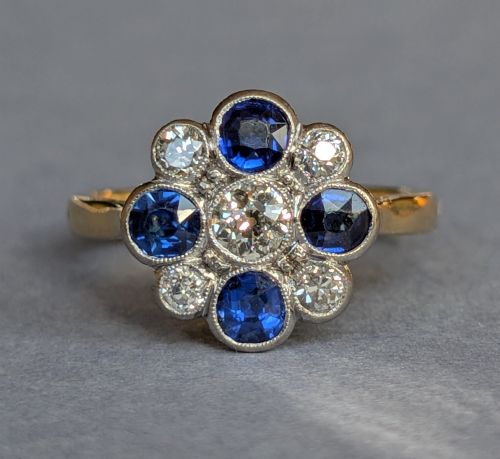
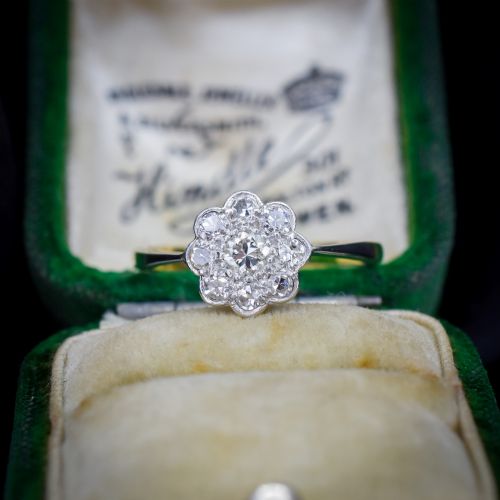
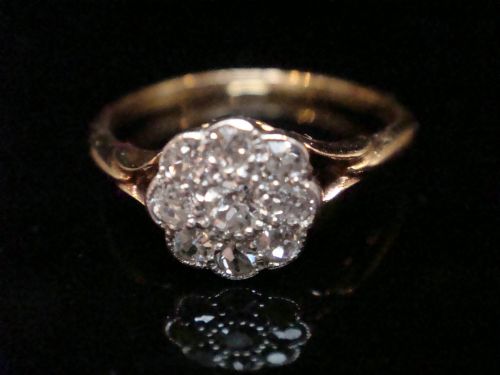
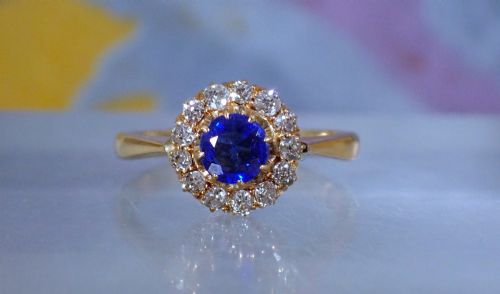
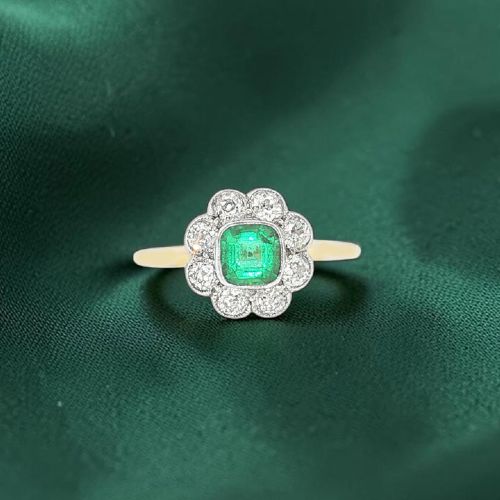
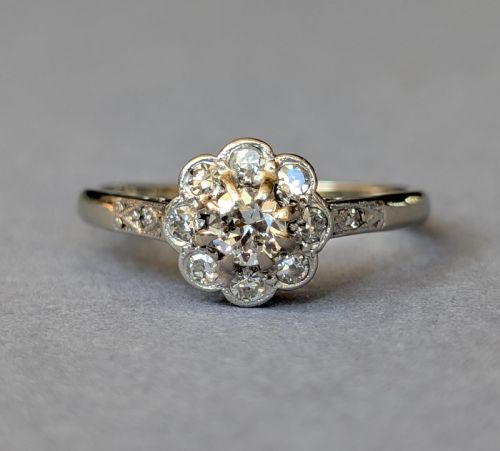
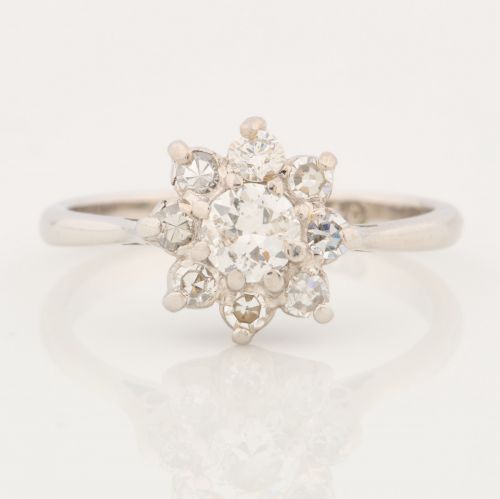
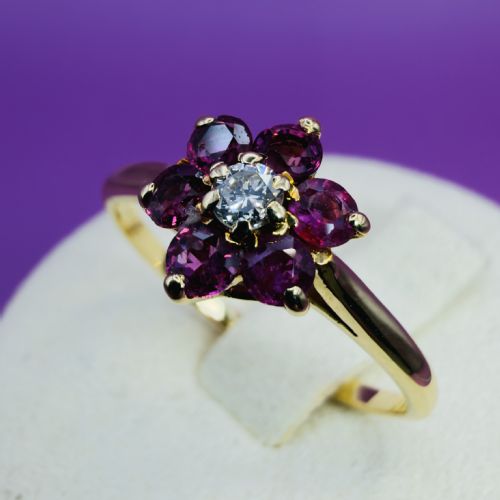
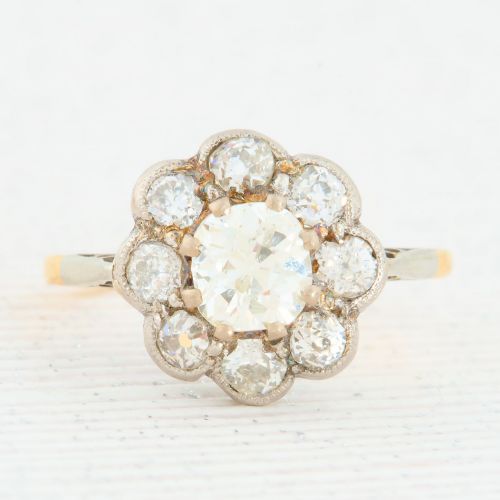
A gold daisy cluster ring centres a central stone within a circular border of smaller gems, offering enduring floral charm from the Victorian and Edwardian eras.
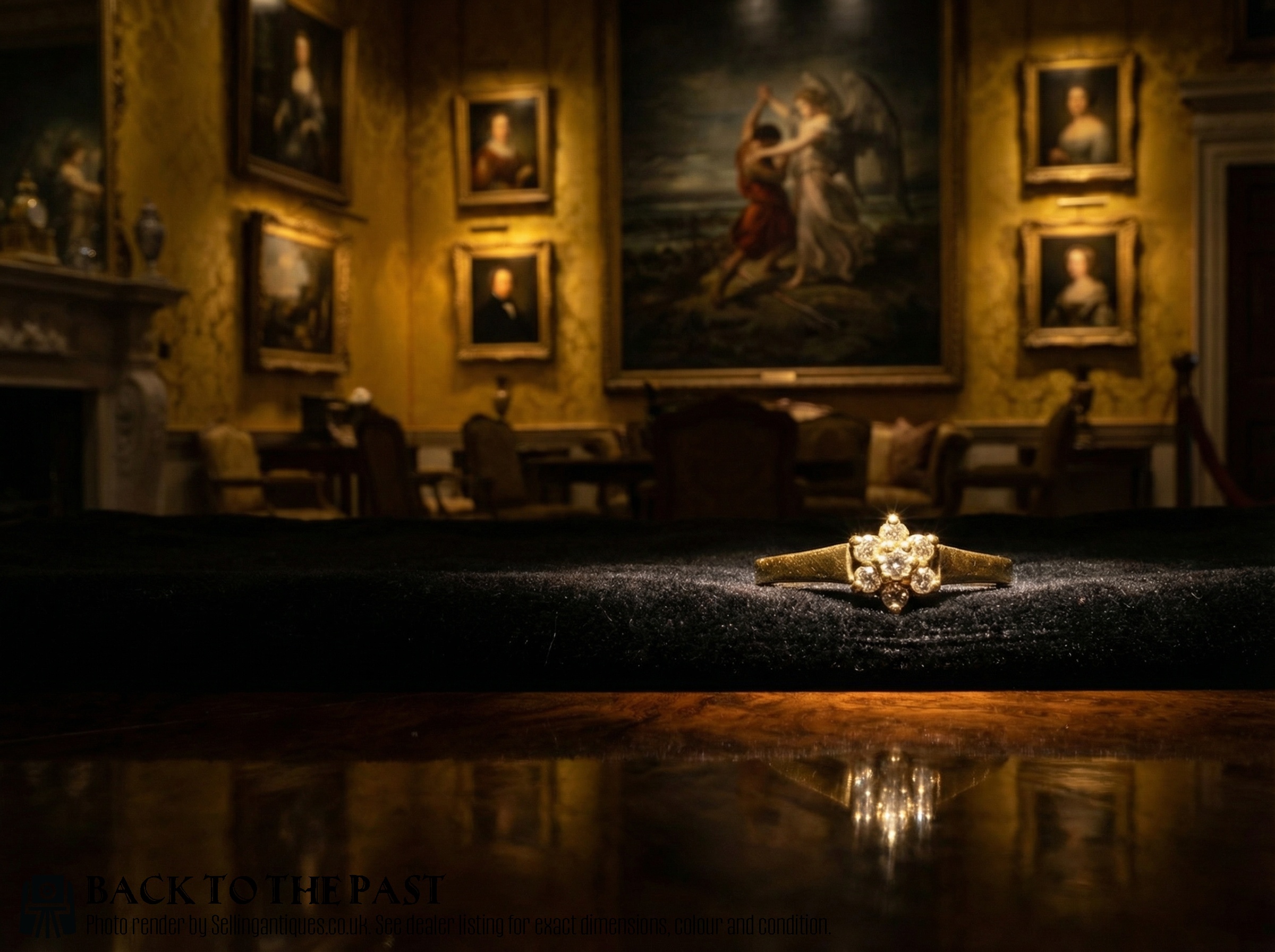
Gold Daisy Cluster Ring
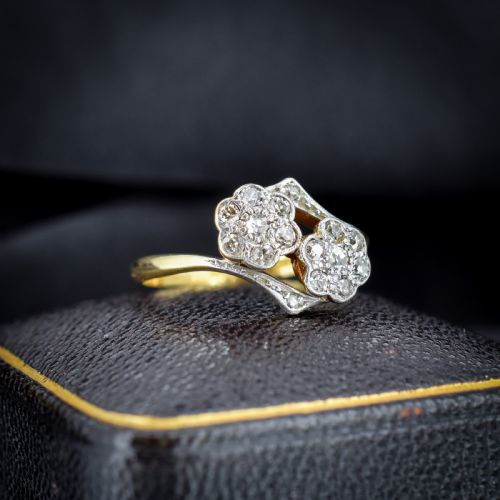
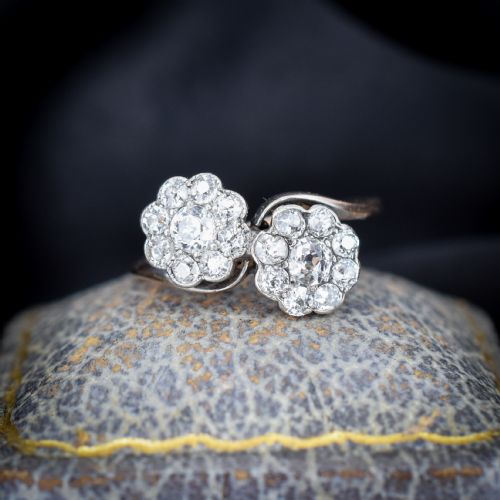
Most examples found here combine yellow gold or white gold bands with platinum settings to hold the stones securely. Buyers encounter various configurations, including straight bands, double twist shanks, and toi et moi styles.
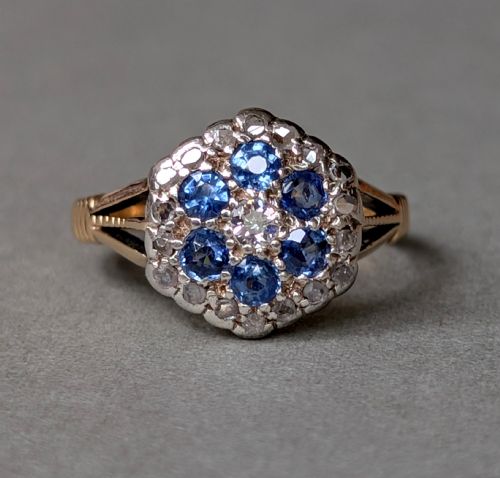
Diamonds form the central petal arrangement in many specimens, frequently accompanied by sapphires, rubies, emeralds, or pearls. These pieces served historically as engagement rings or dress rings and continue to fulfil that role for modern wearers.
How They Were Made
Goldsmiths shaped bands primarily from eighteen-carat yellow gold, eighteen-carat white gold, and occasionally nine-carat or twenty-two-carat gold. Platinum settings gained widespread use during the Edwardian period to hold stones securely while minimising visible metal around the gems.
Craftsmen utilised old-cut and old European-cut diamonds, shaping facets by hand before modern brilliant-cut standards emerged. Stones were secured using claw settings or grain settings within circular flower motifs, often supported by pierced gallery work underneath.
Some floral clusters feature a double twist band, ensuring the daisy appears supported by intertwined golden vines.
What Varies in Quality
The choice of materials and the age of the piece influence the overall character of a gold daisy cluster ring. Older specimens display hand-cut stones with distinct facet arrangements, whereas mid-century examples utilise more uniform cutting techniques.
The integration between the central stone and the surrounding petal gems dictates the harmony of the design. Fine specimens exhibit balanced proportions where the metalwork supports the stones without overpowering the floral silhouette.
The Gold Daisy Cluster Ring Glossary
- Cluster ring
- A ring featuring a central gemstone surrounded by a group of smaller stones. This arrangement maximises visual impact and light reflection.
- Old-cut diamond
- A diamond cut by hand before the standardisation of modern brilliant cuts. These stones typically display smaller tables and higher crowns.
- Platinum
- A dense, durable white metal utilised heavily in Edwardian jewellery for setting diamonds securely. It permits delicate claw work while maintaining strength.
- Toi et moi
- A ring style translating to you and me, featuring two main stones positioned side by side. Some daisy cluster variants incorporate this twist design.
- Target ring
- A circular cluster ring featuring concentric bands of contrasting gemstones or coloured enamel around a central stone. This configuration creates a bold geometric pattern.
Gold Daisy Cluster Ring: Frequently Asked Questions
What periods do these rings come from?
The listings include pieces originating from the Victorian, Edwardian, and Art Deco eras, spanning roughly from the late nineteenth century through the mid-twentieth century.
Later vintage examples also appear from the nineteen-fifties and sixties, reflecting shifting stylistic preferences over time.
How do I care for an antique ring?
These delicate floral settings require gentle cleaning with warm soapy water and a soft brush to remove accumulated oils from beneath the stones.
Professional inspection helps ensure that antique claws and platinum settings remain secure during regular daily wear.
Were these used as engagement rings?
Many of these floral clusters served as engagement rings during the Edwardian and Art Deco periods, prized for their romantic symbolism.
Buyers today continue to select them for engagements due to their distinctive historical character and handcrafted detail.
What gemstones appear alongside diamonds?
Sapphires, rubies, and emeralds frequently form either the central focus or the surrounding petal stones in these floral clusters.
Pearls also appear in Victorian and Edwardian examples, offering a softer alternative to faceted gemstones.