
Gold Cocktail Ring
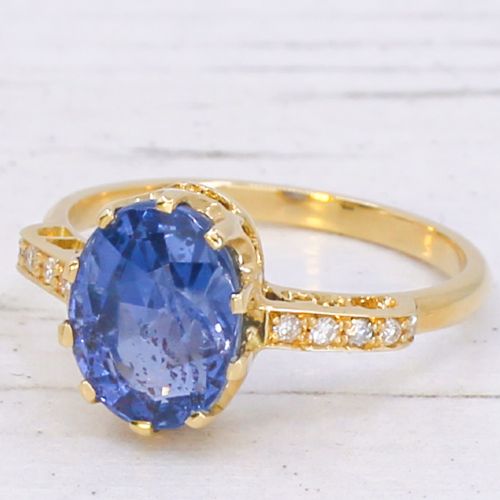
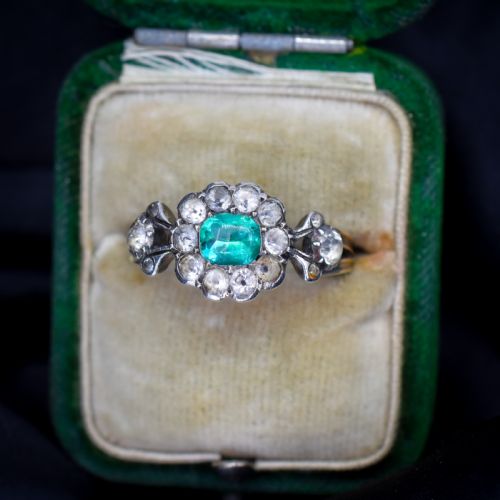
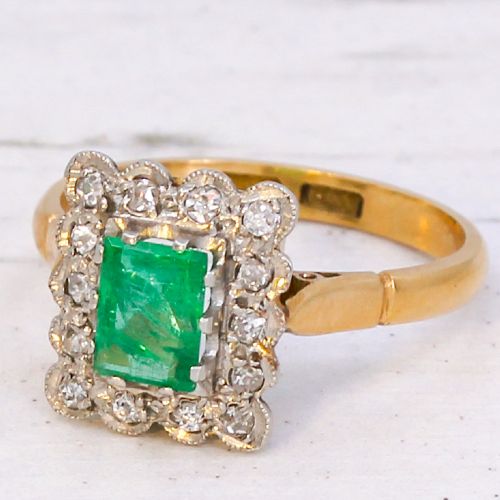
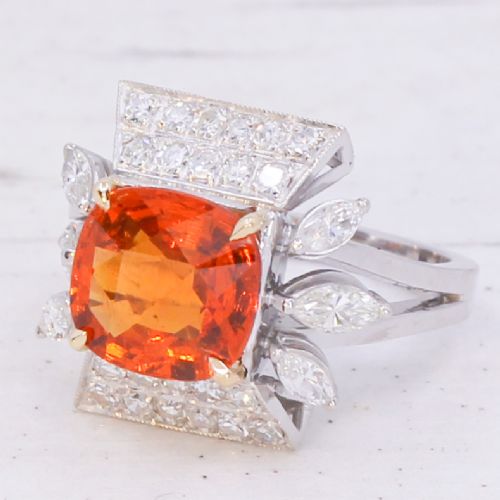
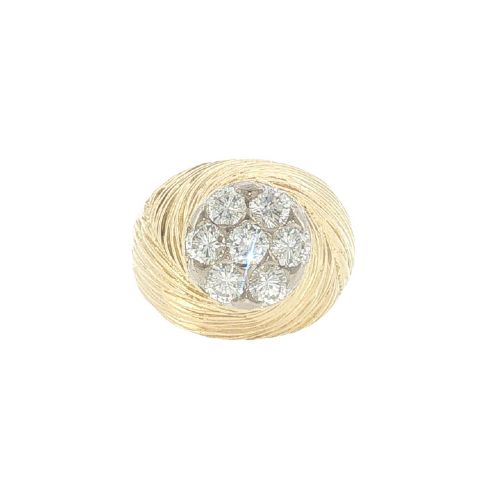
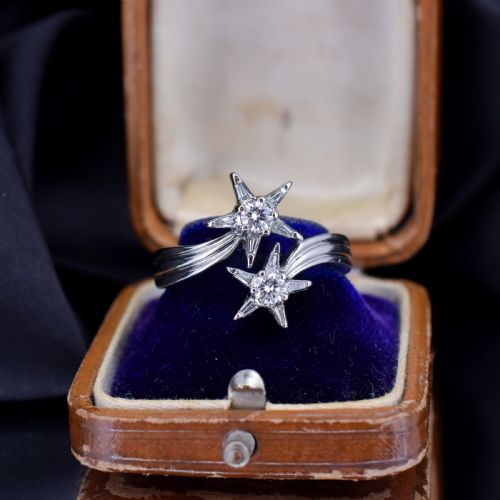
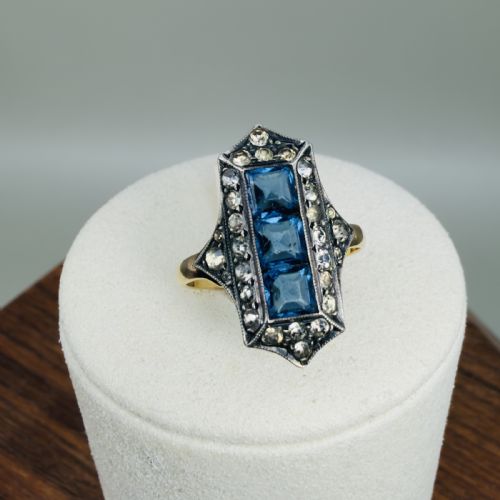
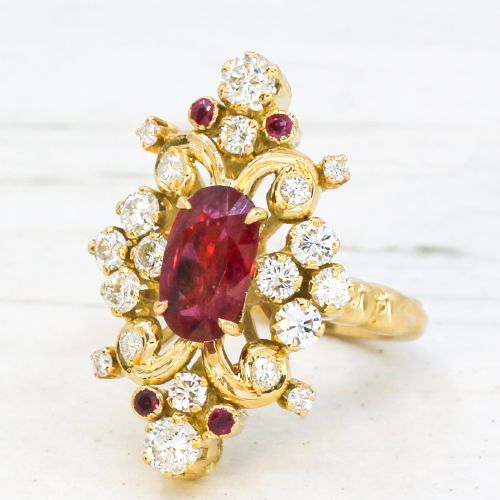
A gold cocktail ring brings scale and colour to the hand, offering the bold presence of mid-century and antique statement jewellery.
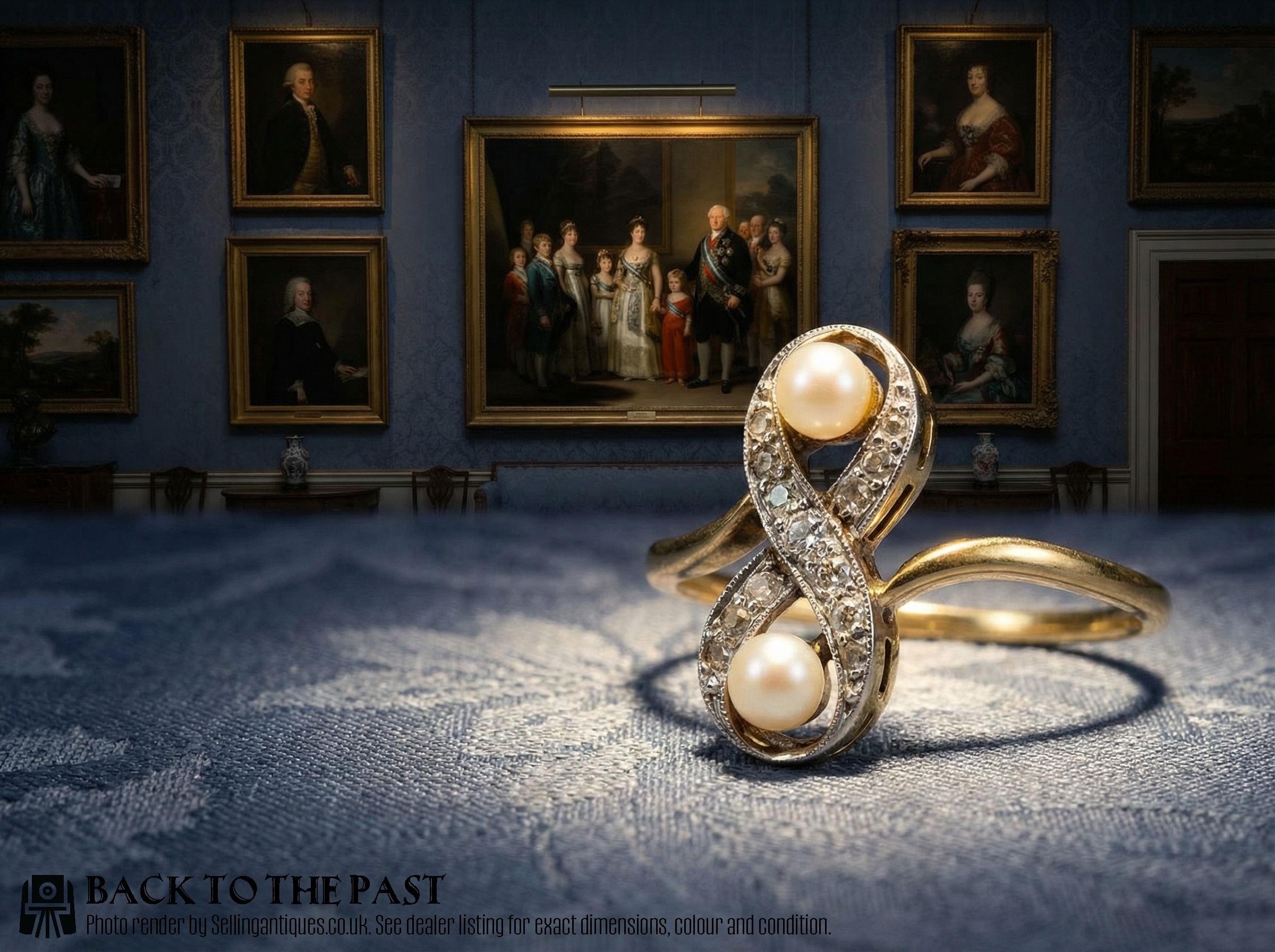
Gold Cocktail Ring
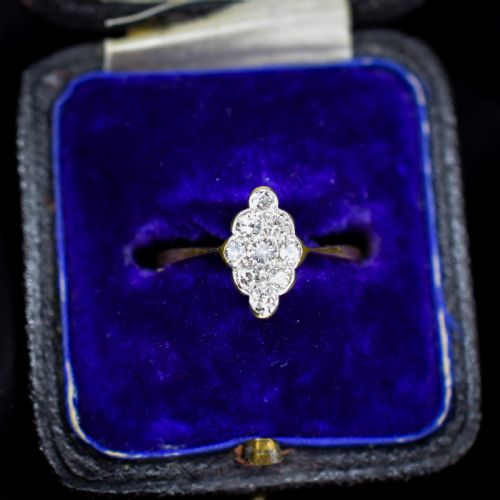
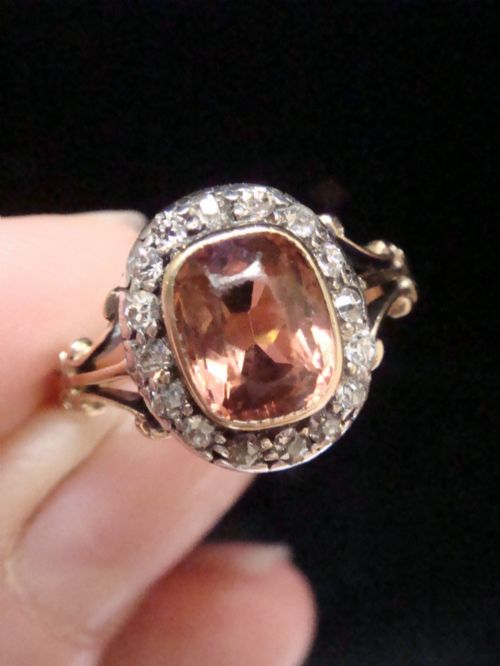
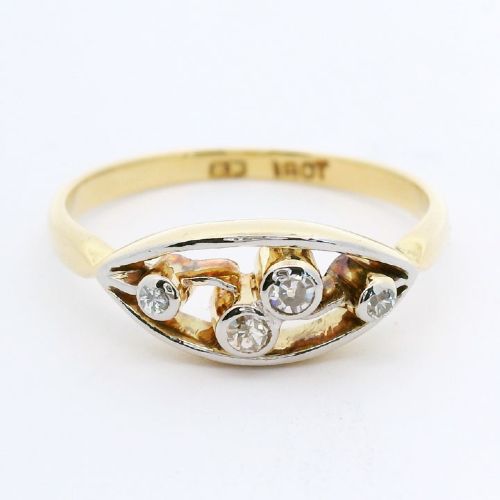
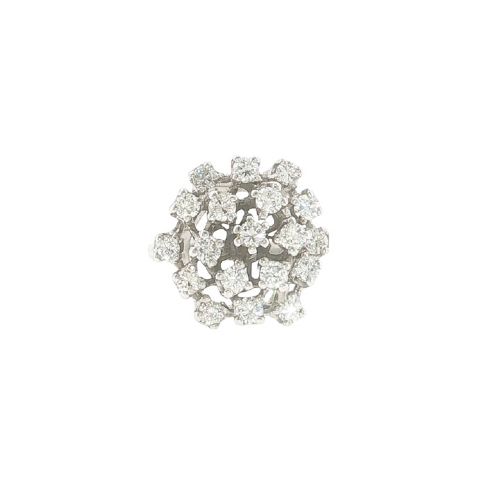
A gold cocktail ring is a statement piece designed to draw the eye with substantial stones and bold proportions. When searching this phrase, buyers encounter examples ranging from Victorian and Edwardian clusters to mid-century creations and later twentieth-century designs.
Origins span British provincial and London workshops alongside continental European makers, with assay marks frequently aiding precise dating. These pieces serve primarily as dress jewellery, intended for evening wear and social occasions where visual impact matters.
How they were made
Construction relies heavily on 18ct yellow and white gold, alongside 9ct gold and occasional platinum settings to secure prominent stones. Master jewellers utilised claw settings, bezel mounts, and intricate cluster arrangements to maximise light entry through large central gems.
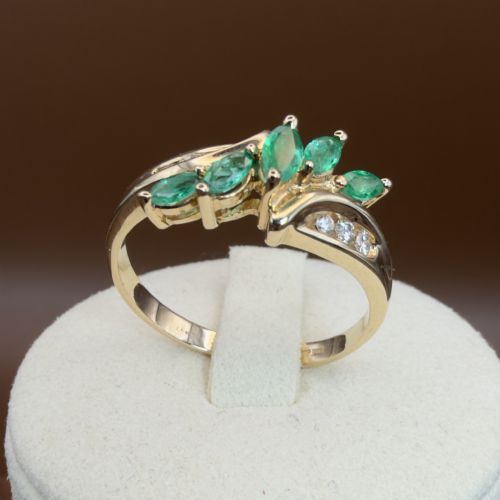
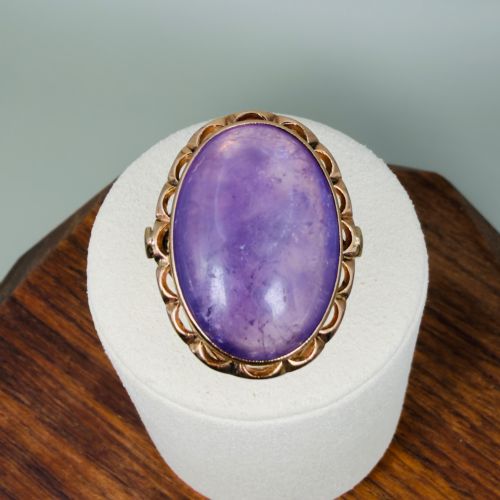
Gemstone selection dictates the character of each piece, combining diamonds with coloured stones such as sapphires, emeralds, rubies, tourmalines, and aquamarines. Natural pearls, jade, and paste stones also feature prominently, secured within hand-finished metalwork that often incorporates decorative wirework or gallery details.
Gold Cocktail Ring Retail Price Guide 2026
Typical asking prices for gold cocktail ring among the pieces listed under this phrase on Sellingantiques today, from the lower quarter to the upper quarter. They describe what is for sale here now, not the wider market.
Listings feature yellow gold, white gold, and rose gold alongside platinum, spanning periods from the nineteenth century through the 1970s.
What varies in quality
The calibre of a gold cocktail ring rests upon the weight, saturation, and natural origin of its central gemstone, alongside the integrity of the metalwork. Master craftsmanship reveals itself in balanced proportions, secure stone setting, and substantial gold gauge rather than hollow construction.
Maker attribution elevates certain pieces significantly, with signed examples from notable jewellers commanding greater interest. The harmony of the design and the precision of the stone cut ultimately separate standard commercial production from exceptional studio output.
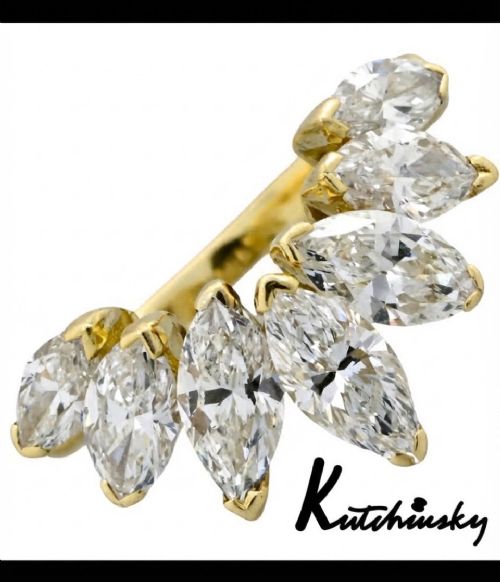
Kutchinsky·Arthur King·Cartier·Andrew Grima
The Gold Cocktail Ring Glossary
- Cluster ring
- A ring featuring a central gemstone surrounded by a group of smaller stones, typically diamonds. This arrangement maximises surface spread and sparkle on the hand.
- Cabochon
- A gemstone shaped and polished with a smooth, rounded surface rather than faceted facets. This cut is frequently utilised for opaque or translucent materials like jade, opal, and turquoise.
- Navette
- A boat-shaped or marquise-like gemstone setting that tapers to points at both ends. It creates an elongated silhouette across the finger.
- Paste
- Hand-cut glass used as a gemstone simulant in antique and vintage jewellery. Coloured paste achieved vibrant hues prized in Georgian and later decorative rings.
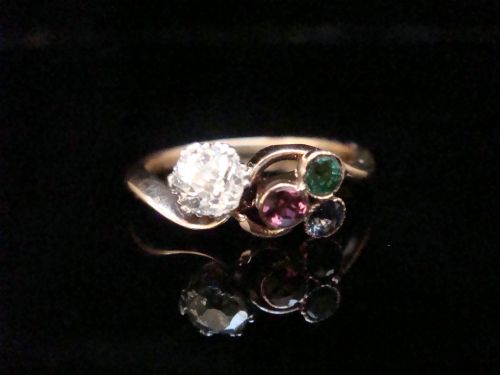
- Toi & Moi
- French for you and me, describing a ring featuring two main gemstones set side by side or in a close twist. This style symbolises two souls united.
Gold Cocktail Ring: Frequently Asked Questions
What defines a gold cocktail ring?
A gold cocktail ring is characterised by its large scale, prominent central gemstone, and eye-catching design intended for social gatherings. These pieces prioritize visual impact through substantial coloured stones or elaborate cluster formations.
They emerged during periods of relaxed social codes and remain popular for their ability to transform an outfit with minimal effort.
How do I date my ring?
Dating relies on hallmark stamps, assay office symbols, and stylistic indicators such as Edwardian filigree or mid-century abstract geometry. Maker marks and the specific cut of the diamonds or coloured stones also provide reliable chronological clues.
Comparing construction techniques against established historical periods helps narrow down the decade of manufacture.
Can I wear one daily?
Daily wear is entirely possible, provided the wearer accounts for the height and scale of the ring during manual tasks. Harder stones like diamonds and sapphires resist scratching well, though softer gems require greater care.
Checking the security of the claws periodically ensures the central stones remain firmly anchored in their mountings.
Are these stones natural?
Many listings feature natural gemstones, including unheated sapphires, emeralds, rubies, and jade, alongside cultured or natural pearls. Descriptions often specify treatments where applicable, distinguishing natural materials from glass paste alternatives.
Gemstone origin reports sometimes accompany high-value specimens to confirm their geological background.