

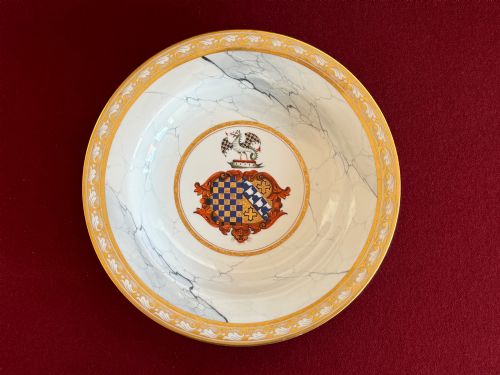
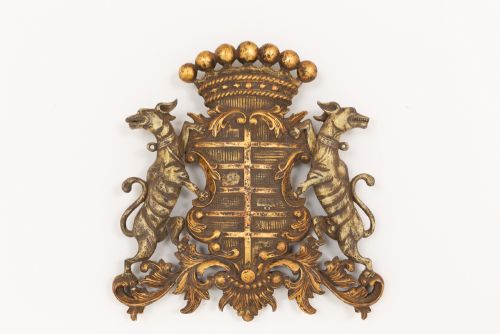
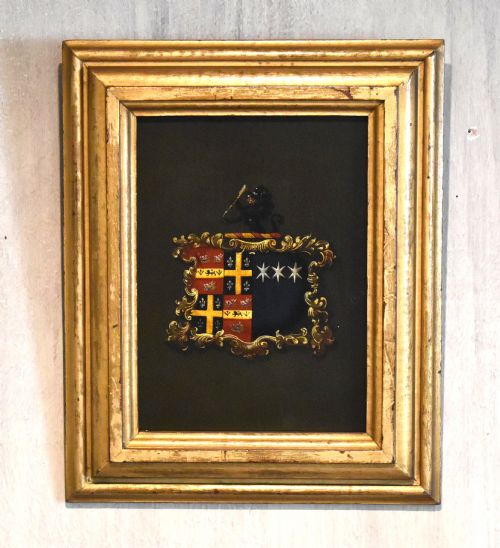


Gold Coat of Arms
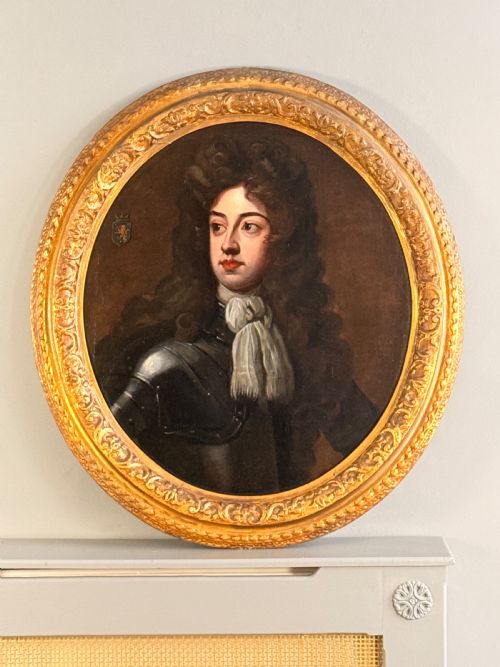
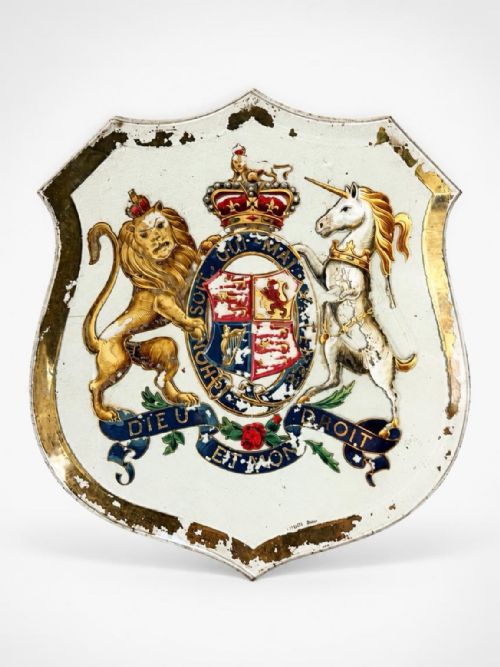
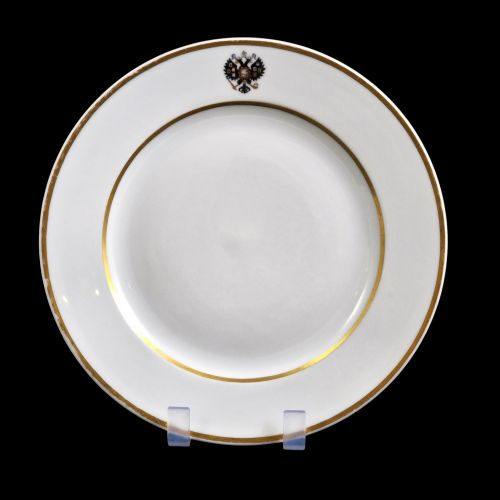
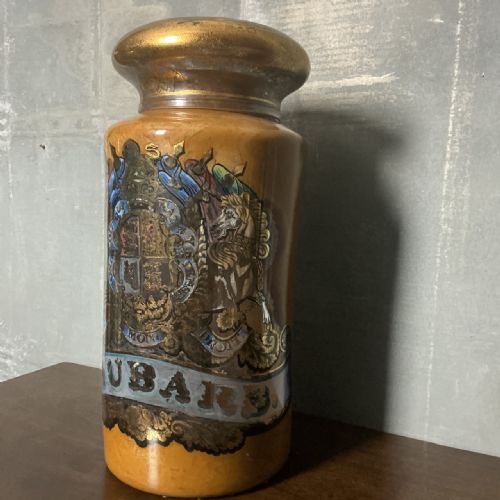
These gold coat of arms pieces carry centuries of lineage and heraldry, offering a tangible link to historical families, institutions and royal houses.
Gold Coat of Arms
A gold coat of arms brings together centuries of heraldic tradition and fine craftsmanship, spanning periods from the Georgian era through to the twentieth century. These objects include framed armorial panels, pocket watches, pendants and wall plaques decorated with symbols of lineage and authority.
Buyers seeking a gold coat of arms most frequently encounter Victorian and Georgian examples, alongside nineteenth-century painted glass panels and carved armorial shields. These pieces range from intimate personal items like eighteenth-century pocket watches to substantial architectural mirrors and wall plaques.
The materials and forms reflect diverse functions, from ecclesiastical interest with papal keys to military commemorations of artillery batteries. Each piece preserves specific heraldic elements, whether rendered in vitreous enamel, oil paint or gilded wood.
Materials and construction
Makers utilised precious metals alongside traditional timber supports, applying gold leaf, gesso and fine gilding to carved woodwork and frames. Glass paintings and oil on glass techniques were combined with lead and enamel work to render armorial colours with lasting brilliance.
Pendants and charms incorporated intricate plique-à-jour enamel and high-karat gold settings, while larger wall plaques and shields relied on skilled carving in hardwoods and cast iron. Needlework and silk embroidery utilised fine thread work for regimental and royal commemorative pieces.
Gold Coat of Arms Retail Price Guide 2026
Typical asking prices for gold coat of arms among the pieces listed under this phrase on Sellingantiques today, from the lower quarter to the upper quarter. They describe what is for sale here now, not the wider market.
One pocket watch carries royal descent alongside its fusee movement, proving that timekeeping once required aristocratic backing.
Evaluating quality and execution
Quality rests in the precision of the heraldic painting, the sharpness of the woodcarving or casting, and the preservation of delicate enamel work. Superior examples demonstrate confident brushwork in oil on glass or flawless execution in plique-à-jour enamel without loss to the metalwork.
The integrity of the frame and the original mounting significantly influence the character of the object, particularly in antique book covers, coaching panels and mirrors. Pieces retaining their original gilding and undamaged armorial details represent the finer tier of surviving examples.
R Stewart Glasgow·Icilio Federico Joni·Barr Flight and Barr·Taye Kenning and Spencer Ltd
The Gold Coat of Arms Glossary
- Armorial
- Relating to armorial bearings or a coat of arms. It designates items bearing official heraldic insignia.
- Plique-A-Jour
- An enamelling technique where enamel is applied in cells without a backing, resembling miniature stained glass. This lets light pass through the translucent coloured glass.
- Gesso
- A plaster mixture used as a base for gilding and painting on wood. It provides a smooth surface for applying gold leaf.
- Fusee
- A conical pulley used in older watches to maintain even power as the mainspring unwinds. It ensures consistent timekeeping in pocket watches.
- Giltwood
- Wood that has been covered with a thin layer of gold leaf or gold paint. This finish enhances carved frames and decorative panels.
Gold Coat of Arms: Frequently Asked Questions
How are different periods identified?
Periods are determined through construction methods, framing styles, and the specific materials employed in the piece. Stylistic markers of Georgian, Victorian, and Edwardian design guide the dating of each armorial object.
Examination of the backing materials, pigments, and metal purity marks further clarifies the age and origin of the item.
What were armorial panels used for?
Armorial panels and coaching panels were traditionally displayed to signify family lineage, allegiance, or institutional authority. They often decorated carriages, estate walls, or formal interiors.
Over time, many were framed as decorative works of art or preserved as genealogical records of specific clans and regiments.
How should these pieces be displayed?
Display depends on the medium, with framed artworks and wall plaques requiring stable interior environments away from direct sunlight. Enamelled pendants and pocket watches benefit from secure display cases that protect delicate metalwork.
Maintaining consistent humidity levels helps preserve painted glass, textiles, and gilded wooden frames.
What do the symbols mean?
Heraldic symbols represent specific family achievements, alliances, or official offices held by the original owner. Animals, keys, and specific colour combinations encode historical narratives.
Genealogical records and armorial registers often accompany pieces to decode these historical references.