
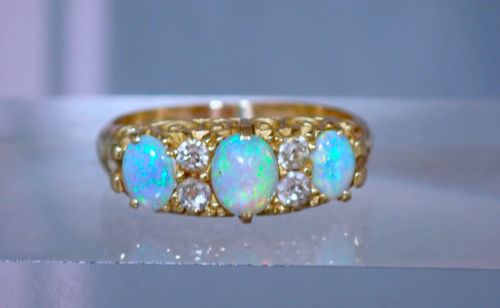
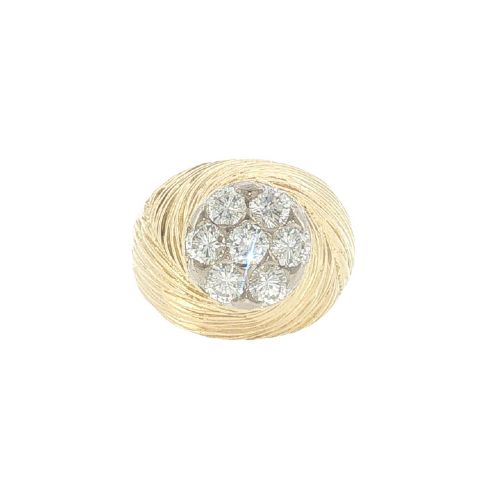
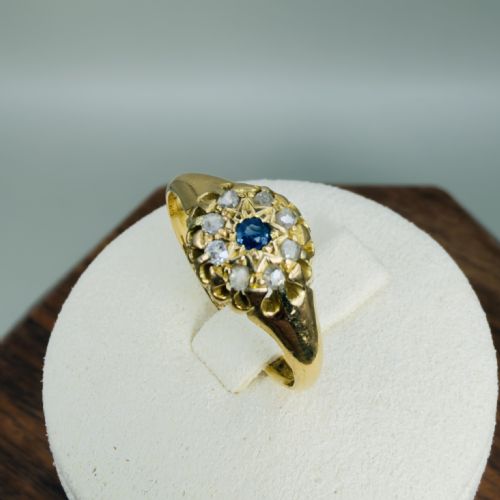
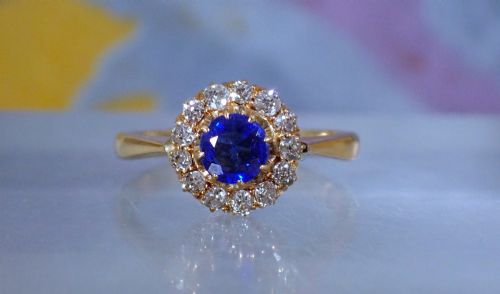
Gold Cluster Engagement Ring
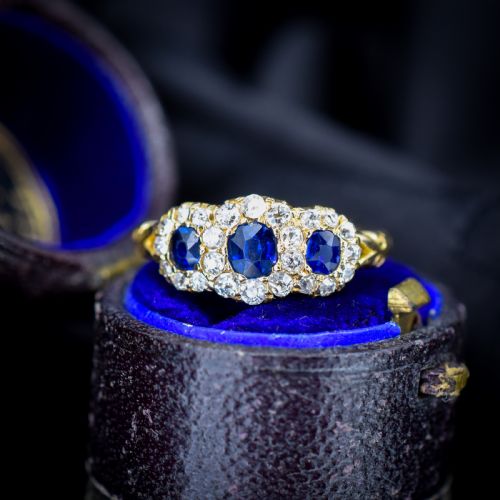
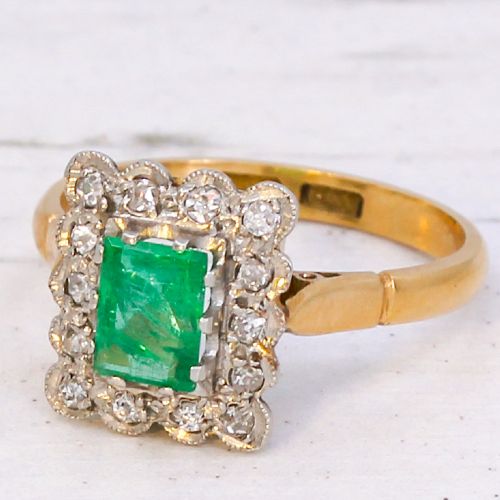
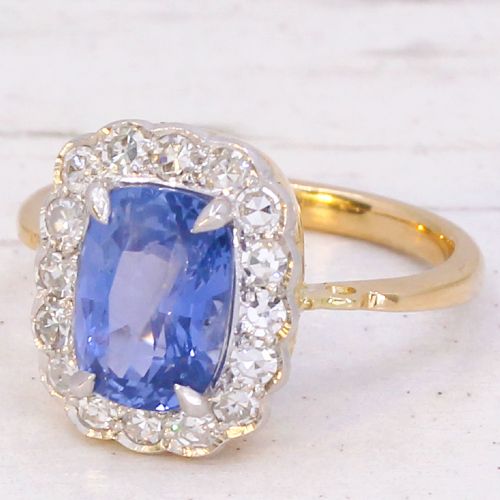
A gold cluster engagement ring centres a prominent cluster of gemstones supported by 18ct gold, offering brilliant finger coverage and historic character.
Gold Cluster Engagement Ring
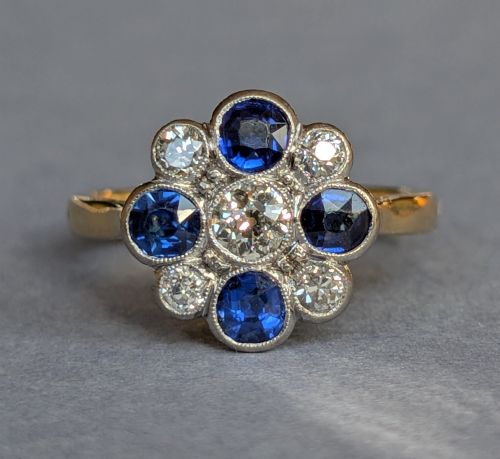
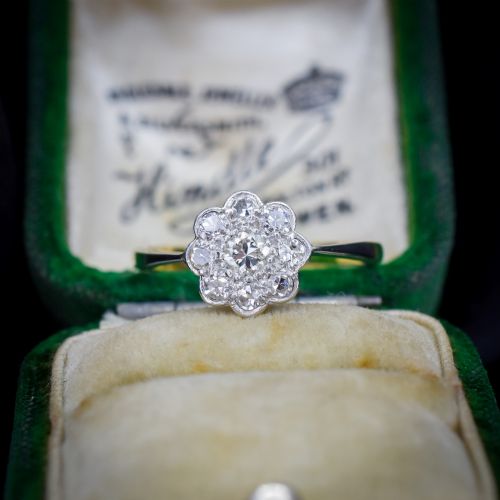
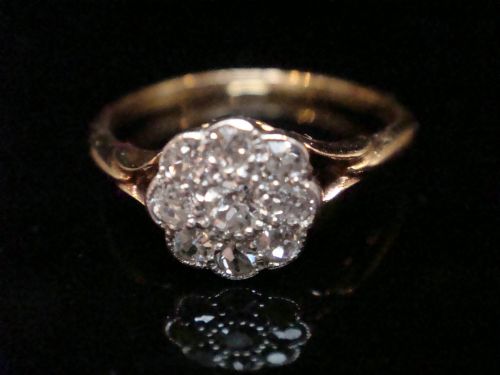
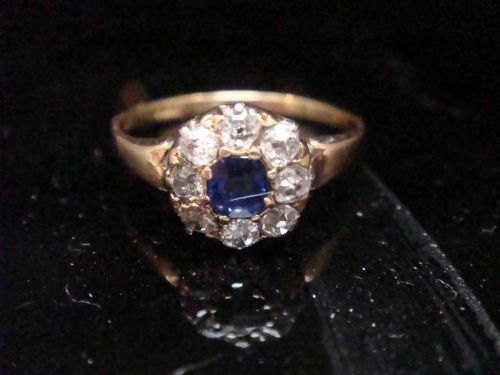
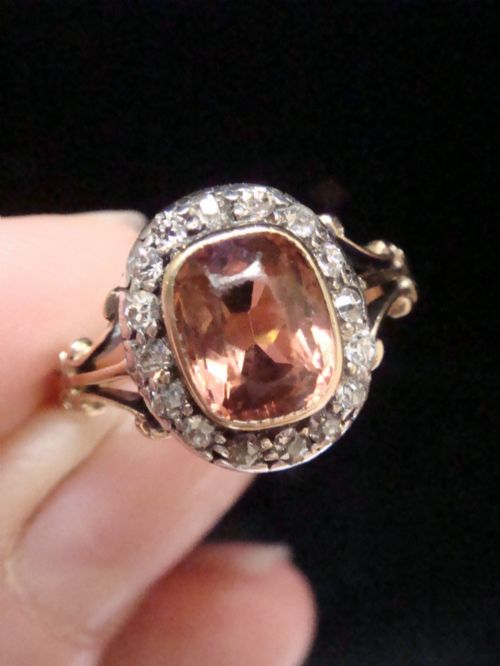
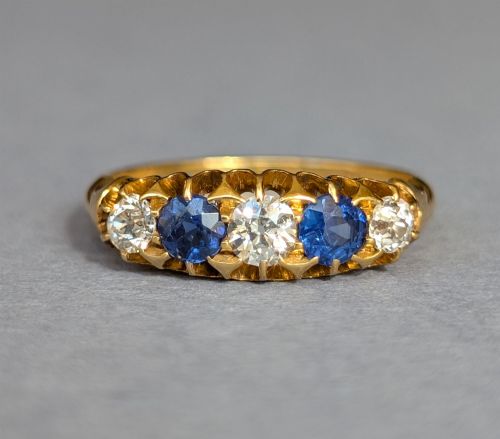
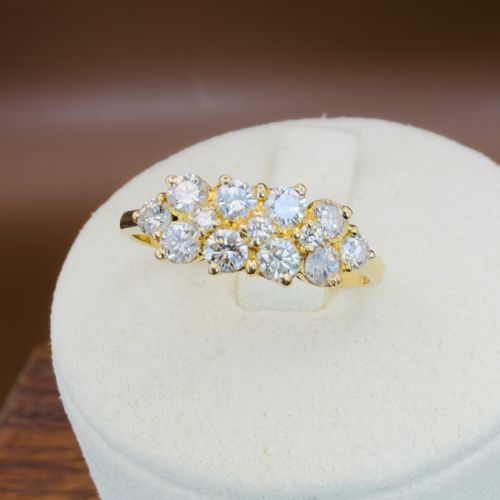
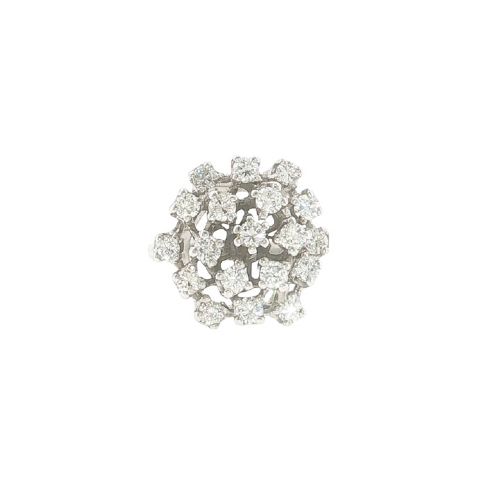
A gold cluster engagement ring brings together a central stone encircled by a border of smaller gems, creating a floral or daisy silhouette. These pieces span Victorian, Edwardian, Art Deco and mid-century periods, showcasing diverse stylistic influences from ornate organic motifs to geometric symmetry.
You will most frequently encounter Edwardian and Art Deco designs on this page, alongside vintage mid-century iterations. Common gem combinations pair diamonds with sapphires, rubies, emeralds or pearls, set against yellow gold, white gold or platinum.
Materials and construction techniques
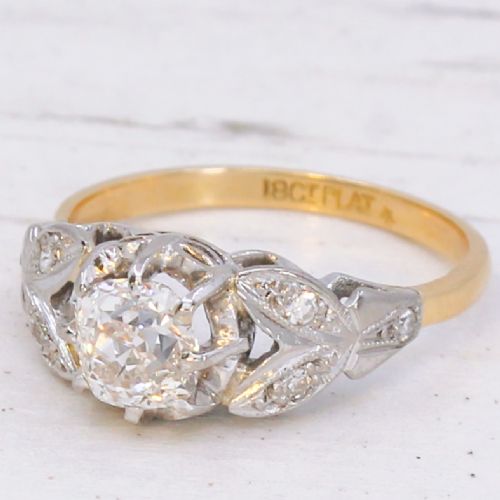
Jewellers typically combined 18ct yellow or white gold with platinum top-settings to secure old cut diamonds and coloured gemstones safely. Platinum claw or bezel settings allowed artisans to minimise metal visibility around delicate diamond clusters.
Traditional hand-working techniques such as millegrain edging defined Edwardian and Art Deco pieces, adding textured bead borders to the metal frame. Gemstones were hand-cut, yielding softer facets like old mine cuts and old European cuts in antique pieces.
Some antique clusters whisper stories of secret garden romances through their charmingly irregular hand-cut daisy petals.
Assessing quality in cluster rings
The harmony and matching of the surrounding gemstone halo relative to the central stone dictate overall visual balance. Superior examples display precise stone-to-stone spacing and secure, even settings without excessive filler metal.
Fine craftsmanship shows in the crispness of hand-carved galleries, delicate pierced work beneath the cluster, and minimal wear to the original 18ct gold shanks over decades of use.
The Gold Cluster Engagement Ring Glossary
- Cluster ring
- A ring design featuring a central gemstone surrounded by a border of smaller stones. This layout maximises visual presence and sparkle.
- Old cut diamond
- A diamond cut by hand before modern machinery, typically featuring a small table and high crown. These stones exhibit distinctive warm light dispersion under candle or low-level lighting.
- Millegrain
- A decorative jewellery technique featuring a row of tiny raised metal beads along edges. It was exceptionally popular during the Edwardian and Art Deco eras.
- Navette
- A boat-shaped or marquise gemstone arrangement that tapers to points at both ends. This elongated silhouette sits distinctively along the finger.
- Daisy cluster
- A specific floral cluster configuration where rounded petals of diamonds surround a central round gemstone. It remains a hallmark of antique and vintage engagement rings.
Gold Cluster Engagement Ring: Frequently Asked Questions
How do I care for my antique ring?
Antique and vintage rings require gentle handling due to their age and delicate settings like millegrain edges. Professional cleaning and regular prong checks help preserve the secure placement of older gemstones.
Avoid wearing your ring during heavy manual tasks or exposing it to harsh chemicals to protect the gold and softer stones like pearls or opals.
How can I tell an Edwardian ring apart?
Edwardian cluster rings often incorporate platinum-topped yellow gold with intricate pierced gallery work and fine millegrain details. The gemstones are frequently old cut diamonds paired with natural sapphires or rubies.
Lighter, lace-like metalwork distinguishes this period from the bolder geometric forms seen in later Art Deco designs.
Can these rings be resized easily?
Most 18ct gold cluster rings can be adjusted by a skilled jeweller experienced in working with antique pieces. The feasibility of resizing depends on the shank thickness and the construction of the shoulders.
Consult a specialist who can alter the band without compromising historic engravings, hallmarks, or the security of the outer cluster stones.