



Gold Ceramic Bowl
A gold ceramic bowl brings together fired clay and gleaming metallic ornament, offering centuries of craftsmanship from English potteries and Japanese studios alike.
Gold Ceramic Bowl
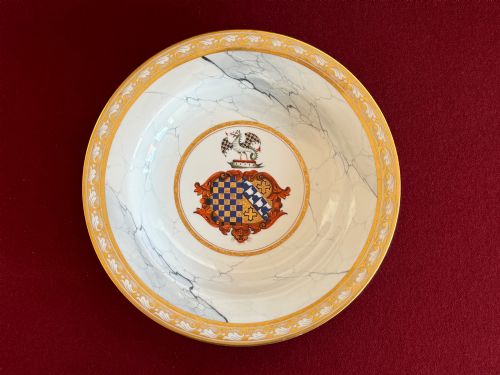
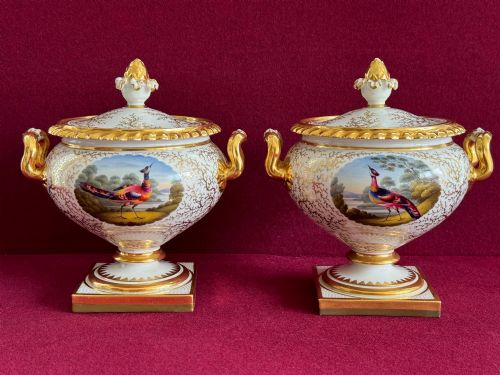
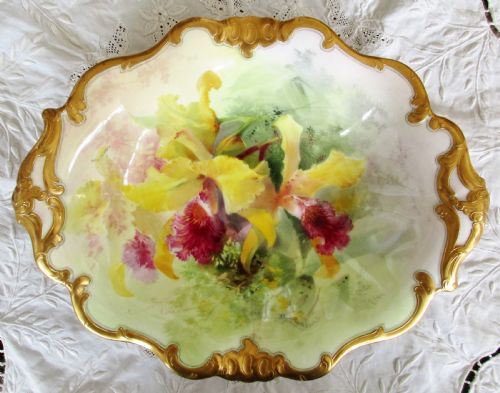
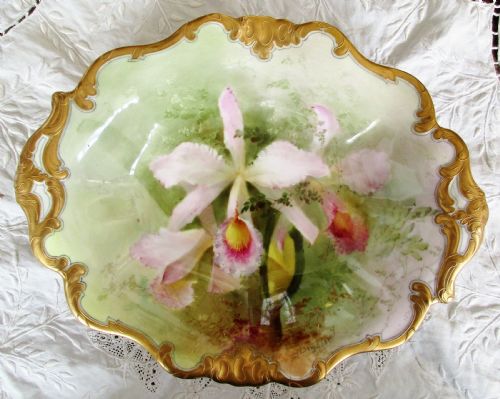
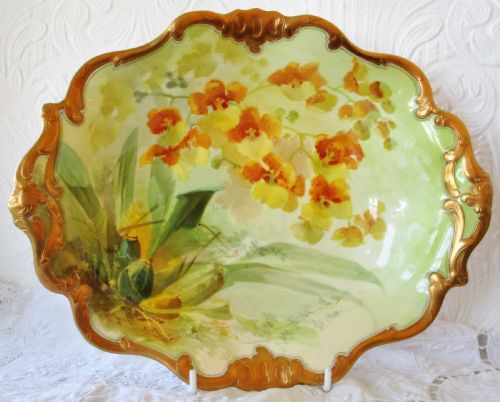
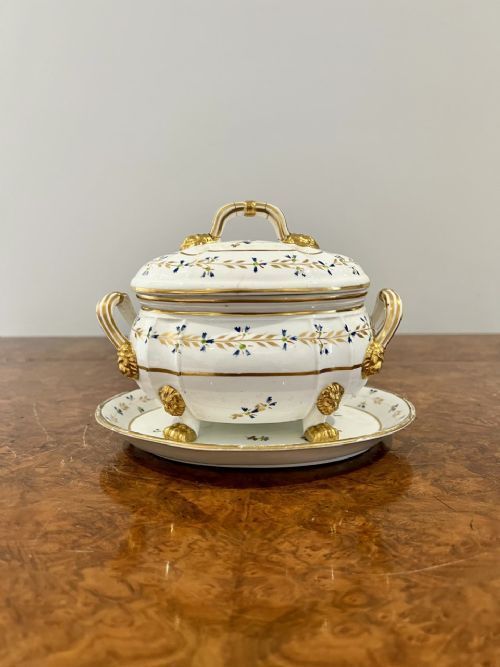
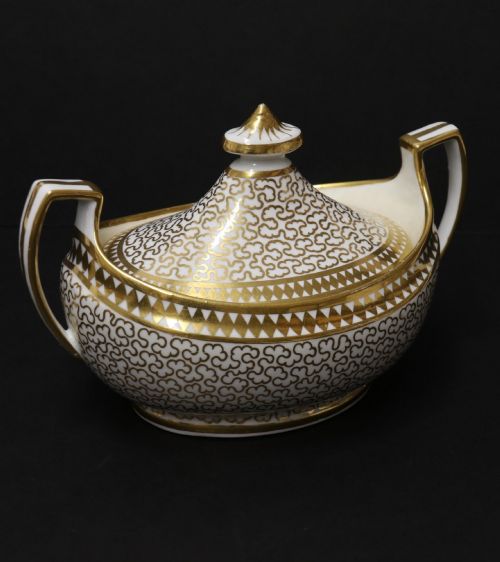
When you search for a gold ceramic bowl, you encounter a diverse selection of vessel forms ranging from decorative cabinet dishes and fruit bowls to Sucriers and large jardiniers.
The selections span multiple eras, with significant representation from the nineteenth century alongside Edwardian designs and Meiji period Japanese Satsuma wares.
Makers utilise porcelain, bone china, earthenware and ironstone as foundations for intricate painting, transfer printing and metallic embellishment.
How they were made
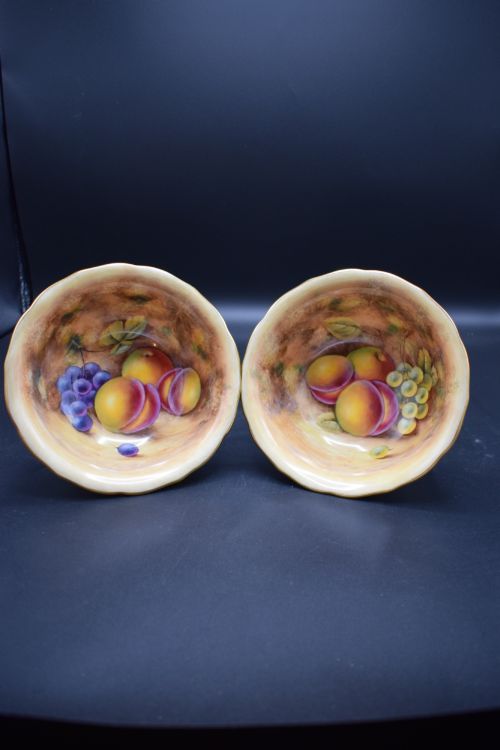
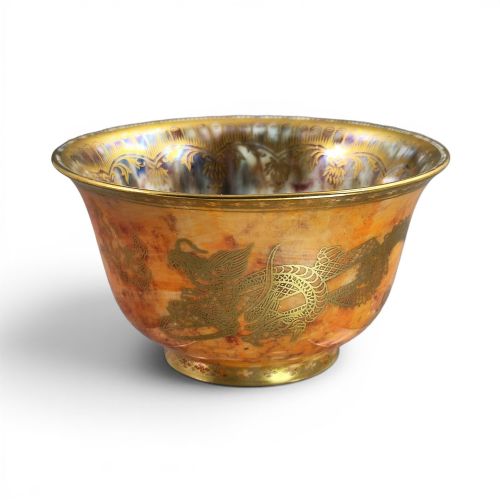
Potters shaped fine porcelain, bone china or earthenware before applying detailed glazes and hand-painted scenes featuring botanical studies, landscapes or mythical creatures.
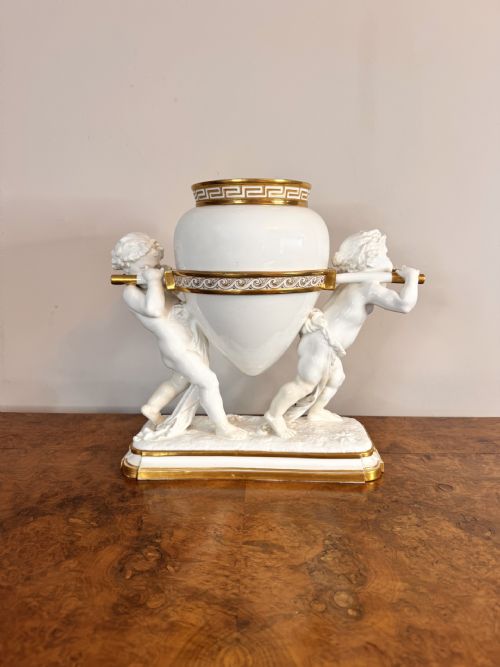
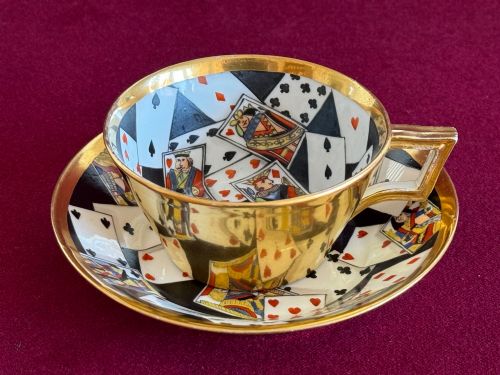
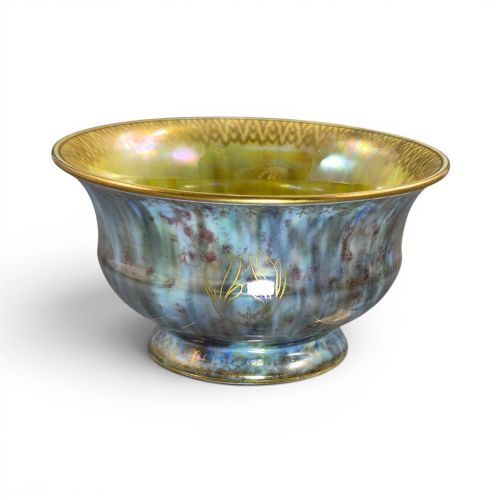
Craftsmen introduced metallic decoration through the application of gold leaf, gilding and gilt bronze mounts, often combining these luminous finishes with vibrant enamel colours.
Gold Ceramic Bowl Retail Price Guide 2026
Typical asking prices for gold ceramic bowl among the pieces listed under this phrase on Sellingantiques today, from the lower quarter to the upper quarter. They describe what is for sale here now, not the wider market.
Listings feature porcelain, bone china and earthenware decorated with gold leaf, enamel and gilt.
What varies in quality
The standard of a piece rests upon the precision of the hand-painted details, from delicate botanical illustrations to elaborate narrative scenes executed by recognised artists and master studios.
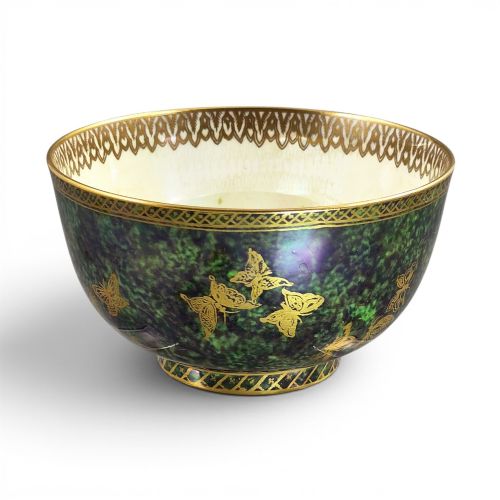
The application of the metallic finish dictates the visual impact, distinguishing straightforward gilding from intricate raised gold work and lustrous iridescent glazes.
David Dewsberry·Daisy Makeig Jones·Kozan·Shizan·Hododa
The Gold Ceramic Bowl Glossary
- Sucrier
- A small bowl or pot with a cover designed specifically to hold sugar during tea service. These pieces often feature matching saucers or stands.
- Jardiniere
- A large ornamental ceramic pot or bowl intended to hold live plants or floral arrangements. They frequently incorporate substantial handles or decorative mounts.
- Gilding
- The application of gold leaf or gold powder onto the ceramic surface to create metallic highlights. This technique defines the luminous borders of many cabinet dishes.
- Earthenware
- A porous pottery body fired at lower temperatures than porcelain and glazed to achieve impermeability. It serves as the durable base for many historical decorative vessels.
- Lustre
- A type of ceramic glaze containing metallic oxides that produce an iridescent, shimmering surface effect when fired in a kiln.
Gold Ceramic Bowl: Frequently Asked Questions
What periods do these bowls come from?
The pieces originate across several centuries, with particular concentrations from the Georgian era, the nineteenth century and the Edwardian period.
Items also span the Meiji period in Japan, reflecting diverse global manufacturing traditions during those decades.
How were these bowls originally used?
Many vessels served practical functions at the dining table, acting as sugar bowls, punch bowls or serving dishes for fruit and vegetables.
Others functioned purely as decorative cabinet pieces or centrepieces designed to display wealth and artistic taste in formal rooms.
How do I care for a gilt ceramic bowl?
Clean these items gently by hand using lukewarm water and a soft cloth, avoiding abrasive sponges or harsh chemical detergents that can damage fragile gilding.
Keep them away from direct sunlight and excessive moisture to preserve the integrity of the ceramic body and surface enamels.
How can I identify a Satsuma bowl?
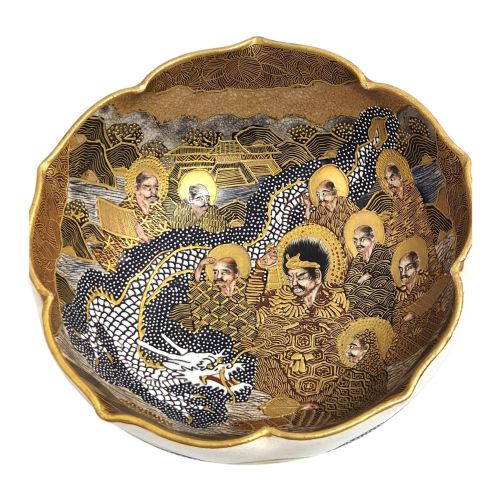
Satsuma wares typically feature a characteristic crackle glaze over a cream-coloured earthenware body, often heavily embellished with intricate hand-painted designs and raised gold.
Many pieces carry signatures from studios or master artists alongside family crests on the underside.